

Brown Storage
Brown antique storage encompasses traditional timber pieces designed to keep possessions organised, bringing warmth and practicality to any interior.
Brown Storage
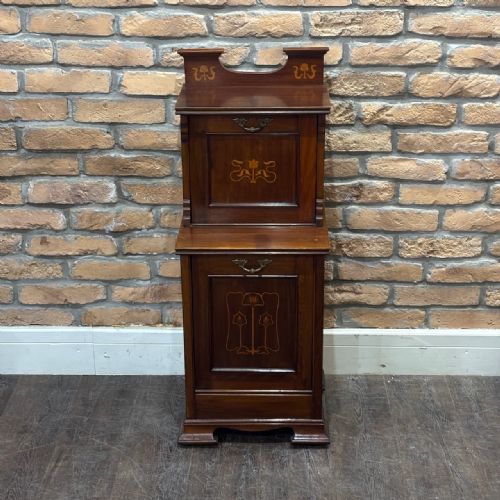
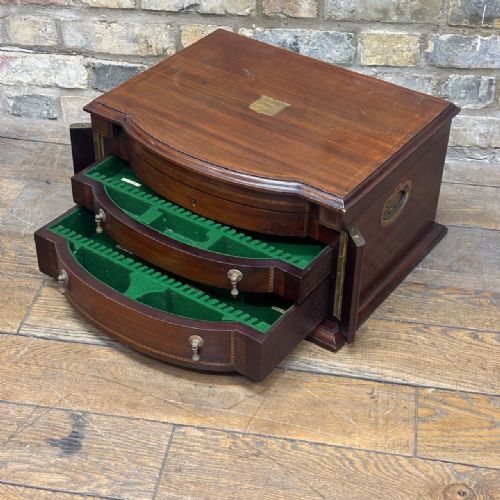
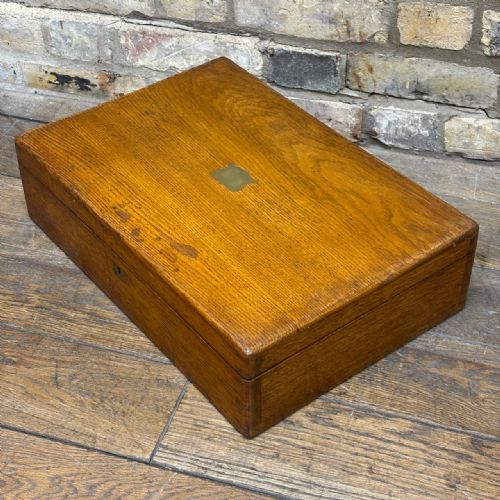
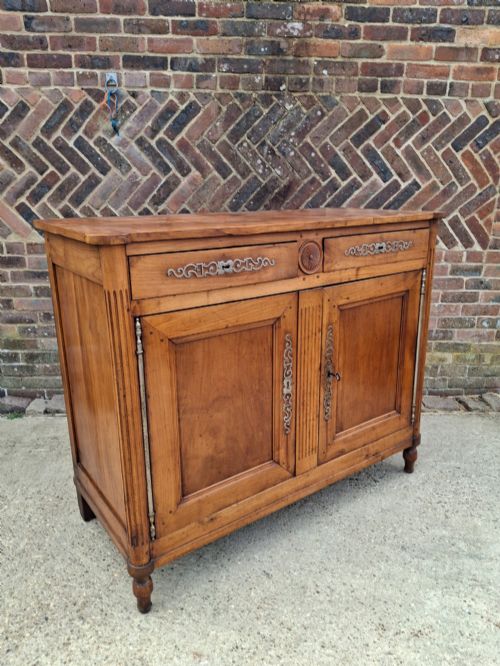
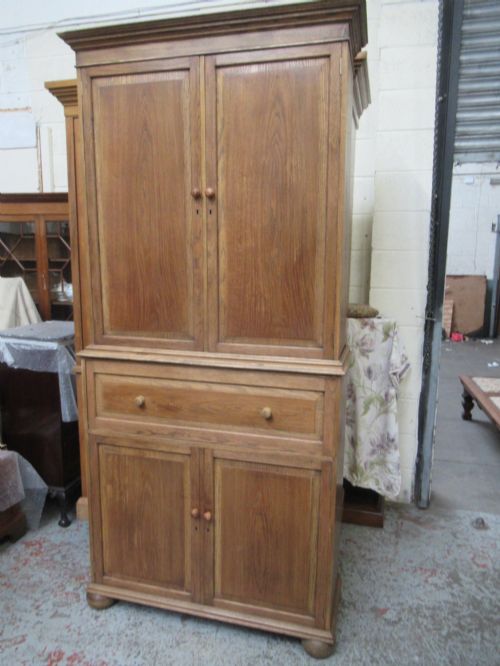
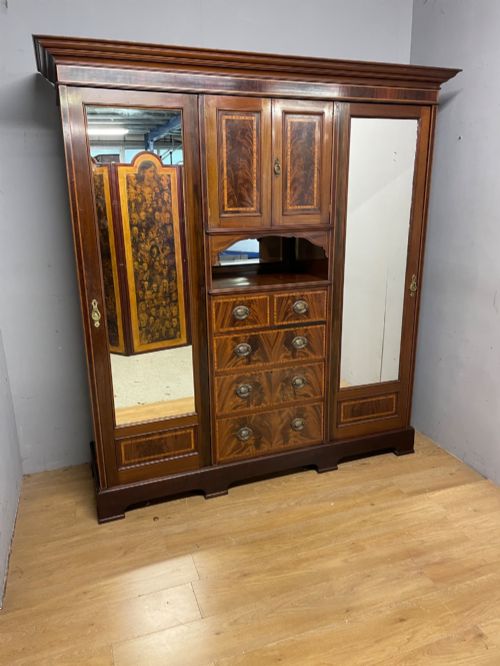
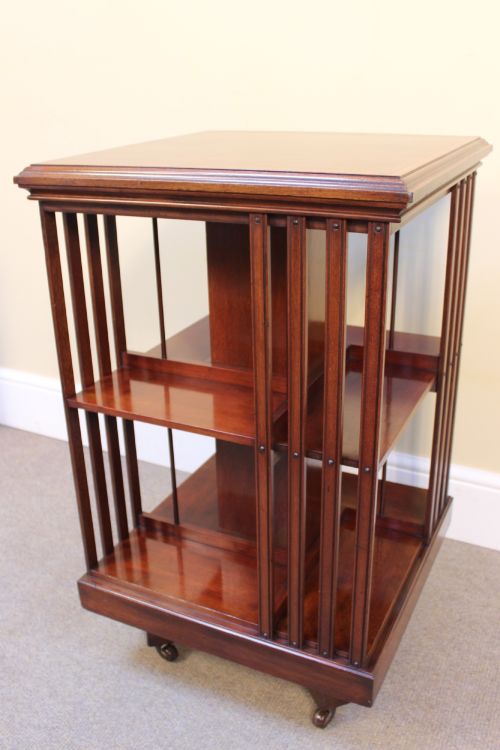
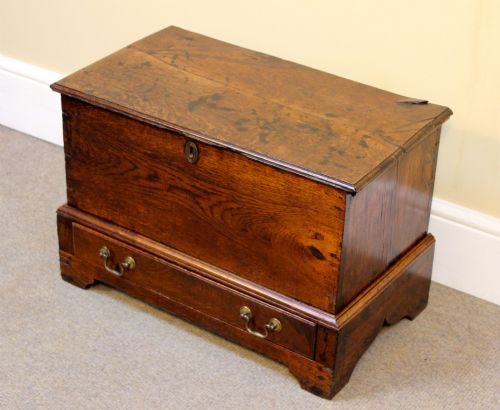
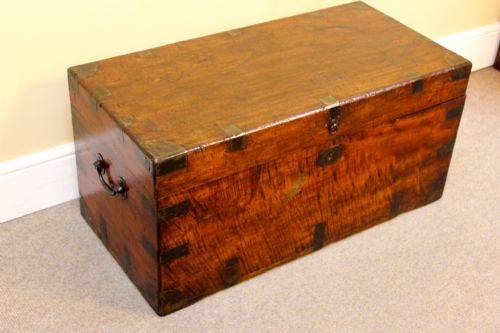
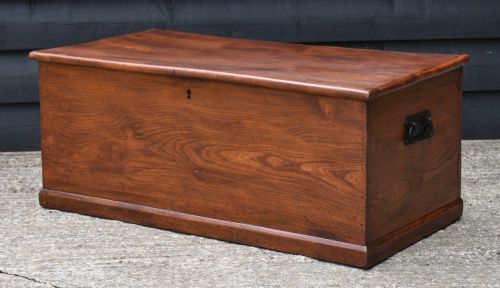
Brown antique storage covers a diverse array of functional wooden furnishings designed to hold items securely within domestic spaces. When looking for brown antique storage, a buyer encounters everything from large timber wardrobes and bookcases to compact tea caddies and bedside commodes.
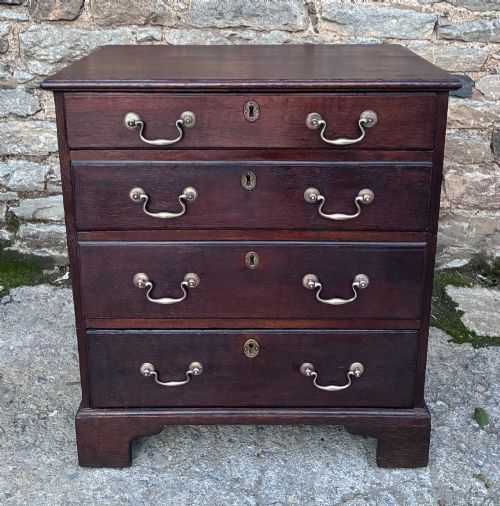
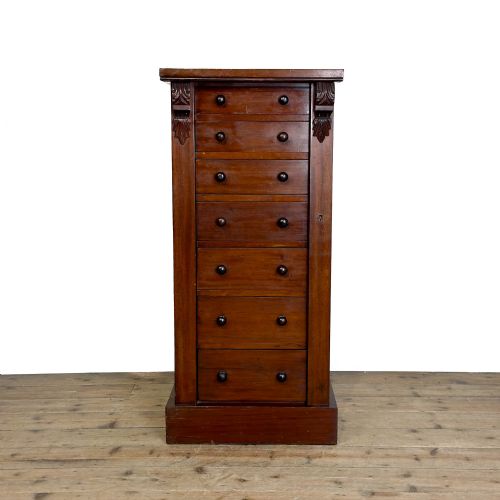
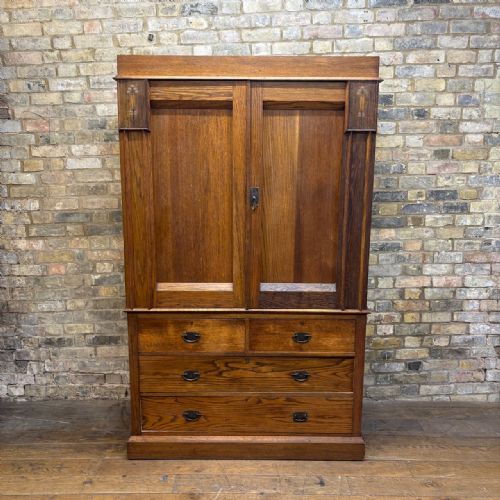
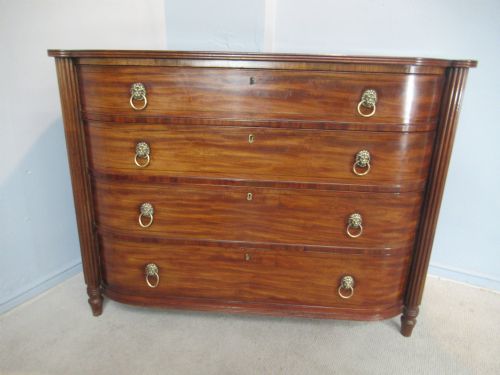
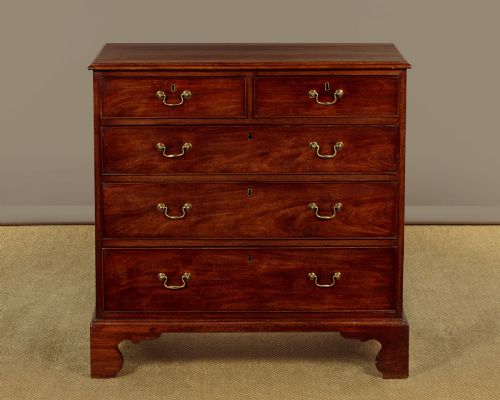
The pieces represented span multiple historical eras, including the Georgian, Victorian, and Edwardian periods, alongside later revivals. Chests of drawers dominate the forms available, constructed primarily from rich native and imported timbers like mahogany, oak, and walnut.
Materials and construction
Cabinet makers utilised dense hardwoods such as mahogany, oak, walnut, and fruitwood to build sturdy carcases capable of withstanding decades of daily use. Natural grain patterns were highlighted through polishing and crossbanding, while secondary timbers provided internal structure for drawers and shelving.
Metal fitments in brass and iron added functional strength and decorative contrast to doors and drawer fronts. Carved details, fielded panels, and inlaid veneers demonstrate the hand techniques employed by period artisans across different regional workshops.
Brown Storage Retail Price Guide 2026
Typical asking prices for brown storage among the pieces listed under this phrase on Sellingantiques today, from the lower quarter to the upper quarter. They describe what is for sale here now, not the wider market.
Listings feature items spanning the eighteenth century through to the Art Deco era, utilising materials such as brass, glass, and burr walnut.
Judging quality and character
Quality rests in the selection of timber figures, such as burr walnut or figured mahogany, and the precision of the joinery connecting the frame. Finer examples display meticulous attention to detail in drawer linings, original brass hardware, and balanced proportions.
The integrity of the original surfaces and the subtlety of decorative carving or inlay distinguish standard domestic furniture from exceptional pieces. Construction methods like dovetailing reveal the competence of the maker and the durability of the item.
Gillows
The Brown Storage Glossary
- Crossbanding
- A strip of veneer laid perpendicular to the grain of the main surface to create a decorative border. This technique frames drawer fronts and tabletops on finer Georgian and Regency furniture.
- Bachelors chest
- A small folding-top chest of drawers designed for personal use in bedrooms or dressing rooms. These compact items often double as writing desks.
- Commode
- A low cabinet or chest of drawers, typically of French or English origin, used for bedside storage or general keeping. They often feature marble tops or elaborate walnut and fruitwood veneers.
- Coffer
- A heavy wooden chest traditionally used for storing valuables or linens. Early examples are constructed from solid oak with hinged lids.
- Tea caddy
- A small lidded box partitioned internally to store loose tea leaves securely. Victorian examples frequently incorporate burr walnut veneers and fitted glass mixing bowls.
Brown Storage: Frequently Asked Questions
How do I date a wooden chest of drawers?
Dating a chest involves examining the construction methods, handle hardware, and timber types. Hand-cut dovetails and native oak linings typically point to earlier eighteenth-century craftsmanship, whereas machine-sawn elements suggest later Victorian or twentieth-century production.
Stylistic cues such as bracket feet, bun feet, or inlaid crossbanding also provide chronological markers. Comparing these details against known historical periods helps narrow down the origin of the piece.
Where should I place a blanket box?
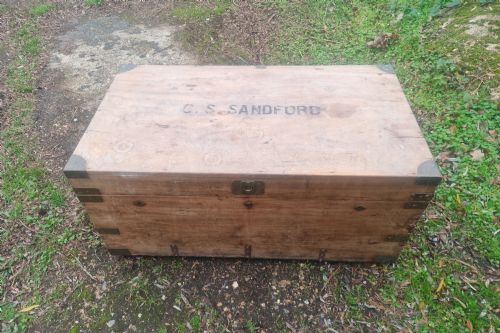
Blanket boxes and coffers fit naturally at the foot of a bed or along a spacious hallway wall. Their lift-top lids provide convenient access for storing spare linen, winter blankets, or bulky garments out of sight.
In living areas, sturdy wooden coffers can double as informal coffee tables or window seats. Their flat tops offer display surfaces for decorative objects while keeping the interior storage functional.
How do I maintain antique timber furniture?
Maintaining antique timber requires keeping pieces away from direct heat sources and strong sunlight to prevent the wood from drying and splitting. Regular dusting with a soft cloth preserves the surface without buildup.
Applying occasional natural wax polish nourishes the grain and enhances the historical patina. Avoid using modern silicone-based sprays, which can penetrate and damage aged finishes over time.