
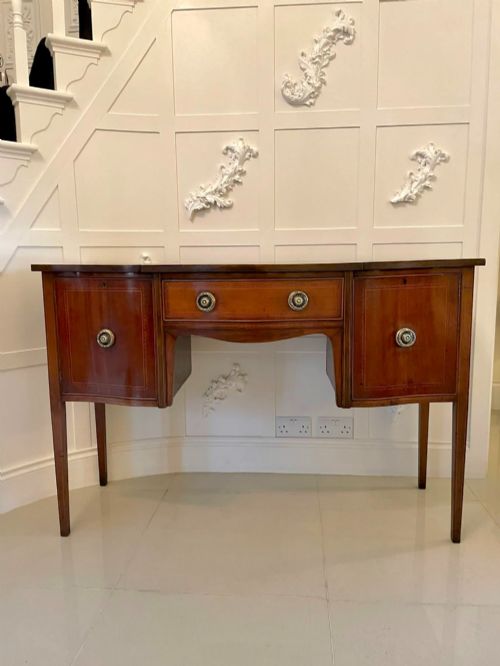
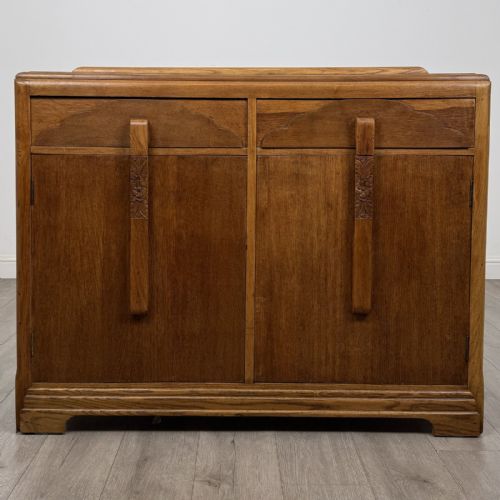
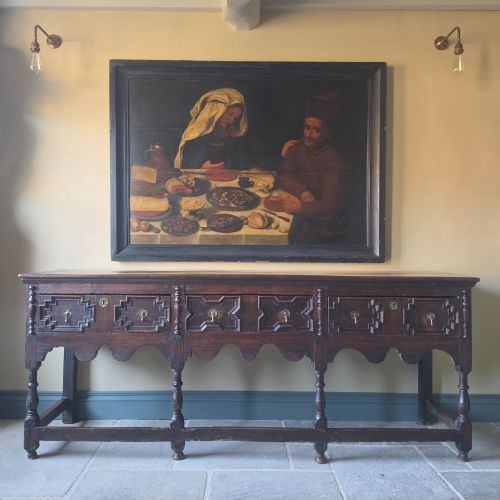
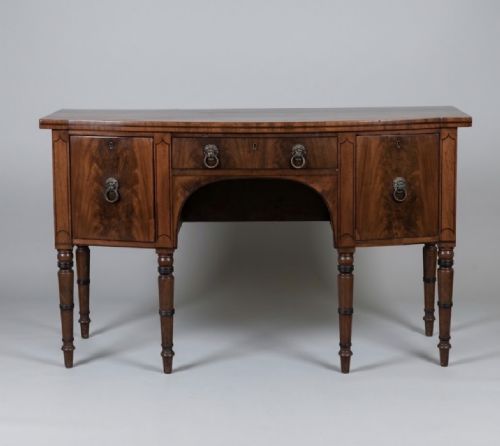
Brown Buffet
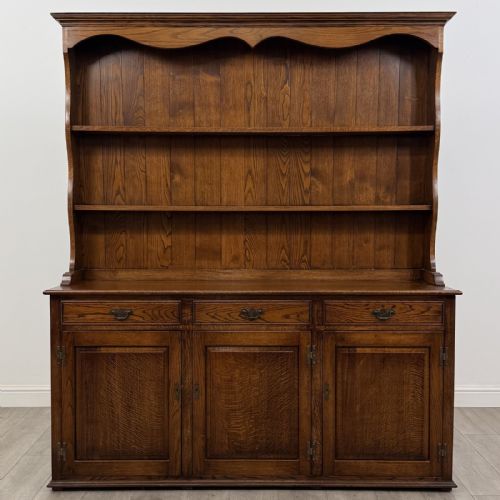
A brown antique buffet holds dining rooms together, offering heavy timber storage and generous top surfaces built to last centuries.
Brown Buffet
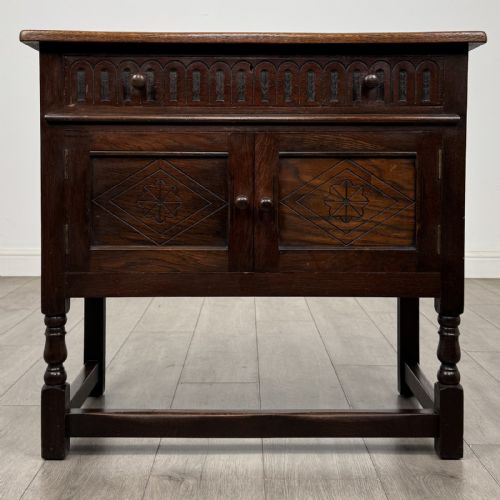
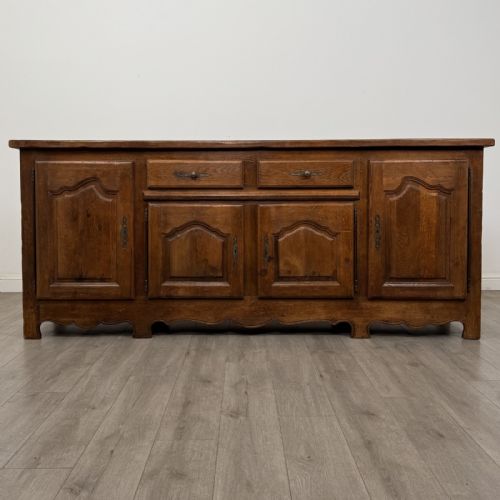
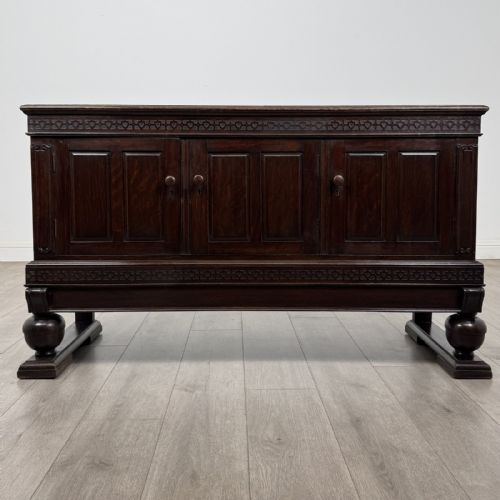
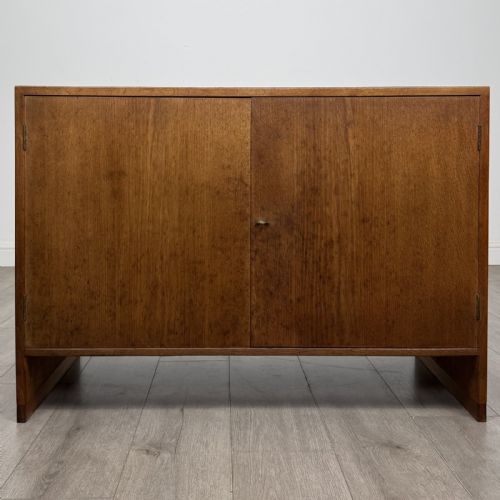
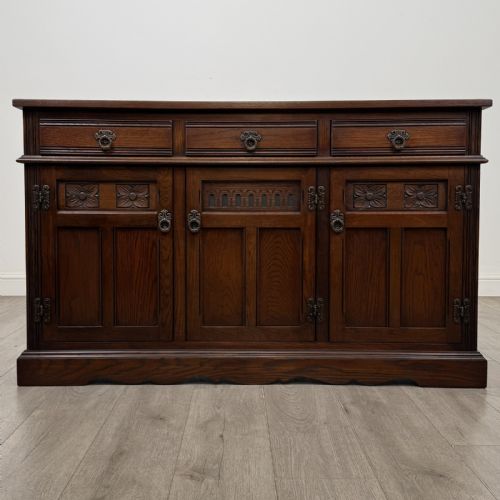
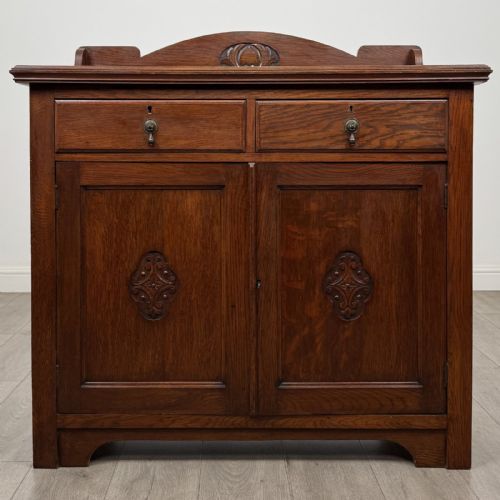
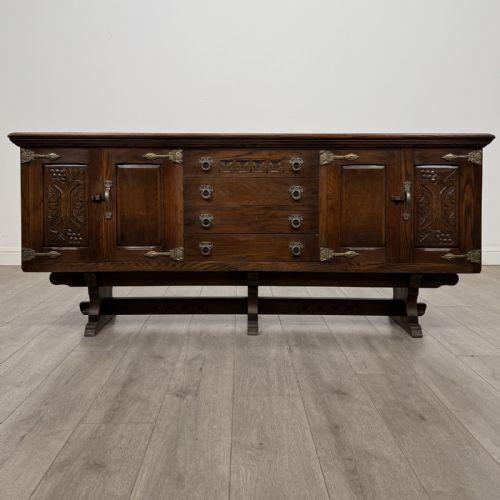
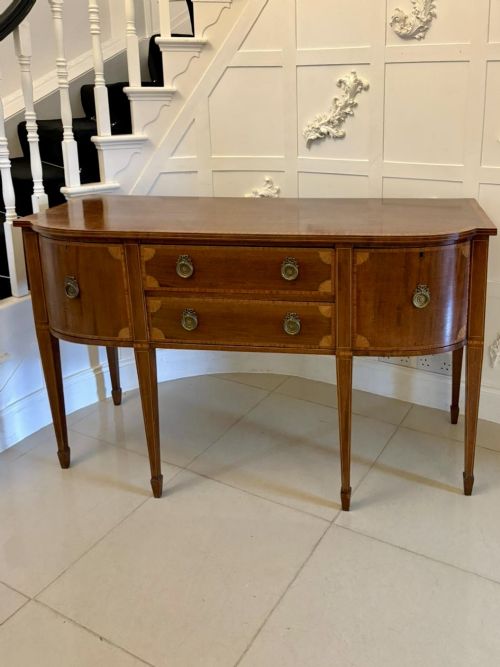
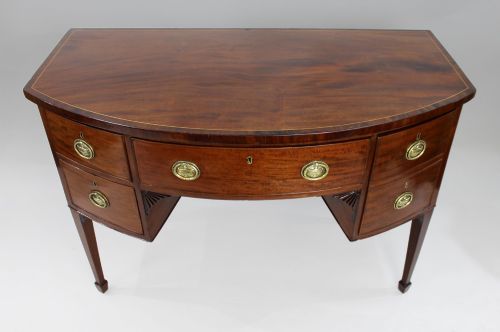
A brown antique buffet spans substantial dining furniture forms including sideboards, dresser bases, serving tables, and credenzas. These pieces emerge from periods ranging through the seventeenth, eighteenth, nineteenth, and early twentieth centuries.
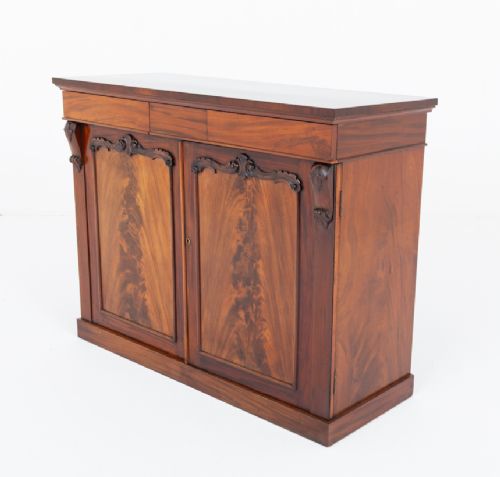
Oak and mahogany dominate the selection, often appearing alongside burr walnut, satinwood, and flame mahogany veneer. Buyers encounter sturdy Edwardian and Victorian iterations alongside earlier Georgian and seventeenth century examples.
Forms vary from simple cupboards and drop-leaf side cabinets to large mirror-backed sideboards and French enfilades with marble tops. The brown antique buffet functions as a practical storage item while anchoring the room with rich natural wood tones.
Materials and construction
Carpenters built these brown antique buffet forms using solid timbers like oak and mahogany, applying veneers such as burr walnut and flame mahogany to display striking wood figures. Brass handles, iron hardware, and glass elements provide structural and decorative contrast.
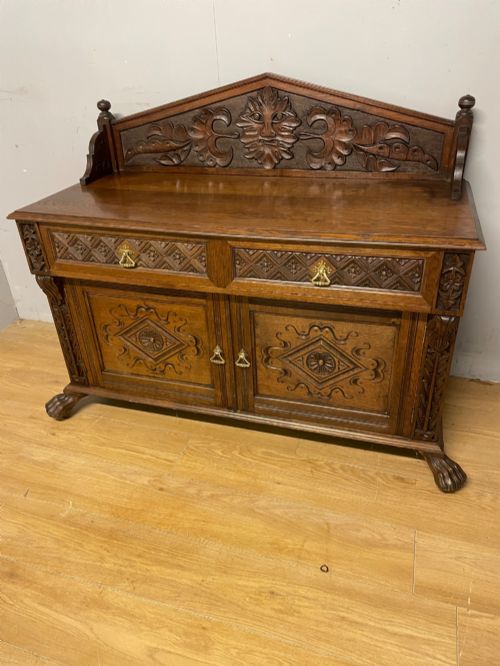
Carving, inlay, crossbanding, and ormolu mounts adorn many surfaces, executed by hand with techniques appropriate to periods from the seventeenth century through the art deco era. Stretcher bases, turned legs, raised galleries, and marble tops complete the construction.
Several oak pieces feature carved green man decorations peering out from the woodwork.
Factors determining quality
Quality rests upon the selection of timber figures, such as finely matched flame mahogany or figured burr walnut, combined with crispness in hand-carved details like green man motifs or geometric panels. Superior execution shows in well-fitted drawers, stable stretcher bases, and original brass hardware.
The integration of decorative elements like satinwood crossbanding, stringing, and ormolu mounts separates standard utility furniture from pieces produced by notable makers or specialised workshops. Structural integrity, original timber surfaces, and proportion define the upper tier.
Gillows
The Brown Buffet Glossary
- Dresser base
- A low wooden storage unit with drawers and cupboards, originating in earlier centuries for serving food and storing kitchenware. These form a sturdy foundation for dining rooms.
- Crossbanding
- A strip of veneer applied to the border of a panel or top, with the wood grain running perpendicular to the main surface. This technique frames the primary timber.
- Credenza
- A decorative cabinet or sideboard, frequently featuring glass doors or ormolu mounts, designed for display and storage in formal reception rooms.
- Serpentine shaped
- A front outline that curves outward in the centre and inward at the sides, creating a gentle wave effect on mahogany or walnut boards.
- Enfilade
- A long sideboard or buffet of French origin, often topped with marble and fitted with multiple doors for extensive dining storage.
Brown Buffet: Frequently Asked Questions
How do I care for a wooden buffet surface?
Clean the wood using a soft, dry cloth and apply occasional high-quality beeswax to maintain the natural finish without building up residue. Avoid placing wooden furniture in direct sunlight or near heat sources to prevent timber splitting.
Keep humidity levels stable in the room to protect antique veneers and solid joints. Lift objects rather than dragging them across the top surface.
What is the difference between a sideboard and a buffet?
Sideboards and buffets both provide dining room storage, though buffets traditionally emphasise lower serving surfaces while sideboards often include upper galleries, mirrors, or display shelving. Both terms describe heavy wooden furniture designed for holding tableware.
Historical usage sometimes separated them by formality, but modern collectors use the terms interchangeably based on form and proportion.
How do I identify a Georgian piece?
Georgian pieces display refined proportions, often utilising figured mahogany with subtle inlay, stringing, or brass handles. Construction details include hand-cut dovetails and solid timber secondary woods.
Stylistic cues draw on classical architecture, featuring clean lines in bow fronted serving tables and dresser bases from the eighteenth century.
Can I use an antique buffet in a modern kitchen?
An antique buffet provides substantial storage and a durable work surface that complements contemporary interiors through contrasting textures. The deep drawers and cupboards accommodate modern kitchenware and linens easily.
Ensure the room humidity remains moderate to protect antique timber and veneers from environmental stress.