
Brown Accent Chair
A brown accent chair brings timber frames and upholstered seats into a room, spanning periods from the seventeenth century onward.
Brown Accent Chair
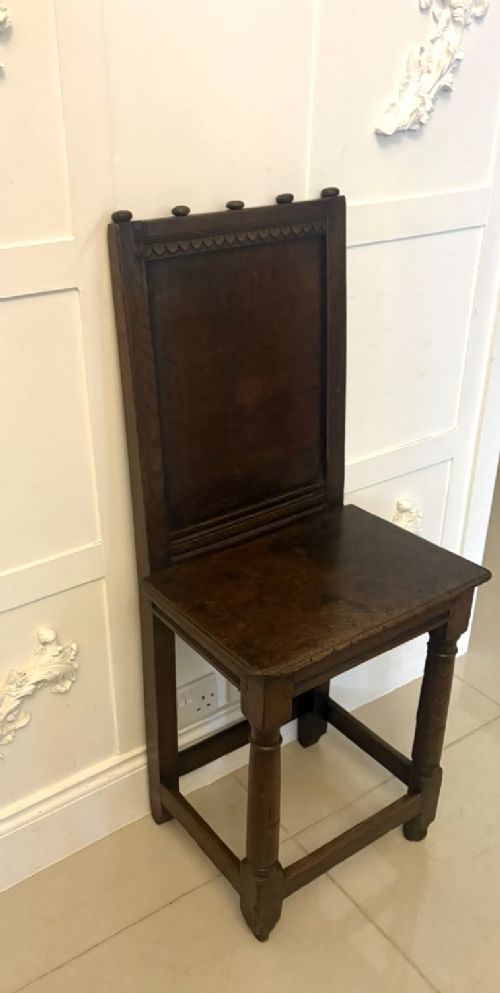
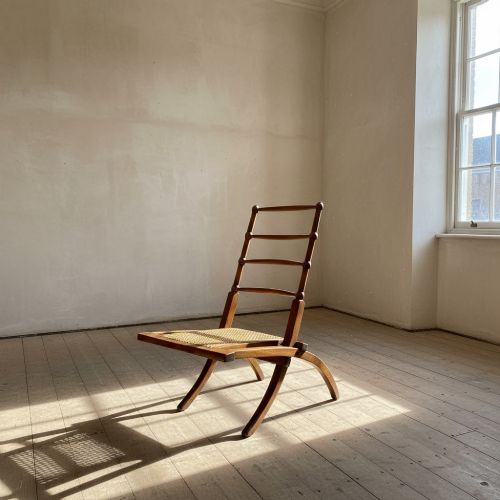
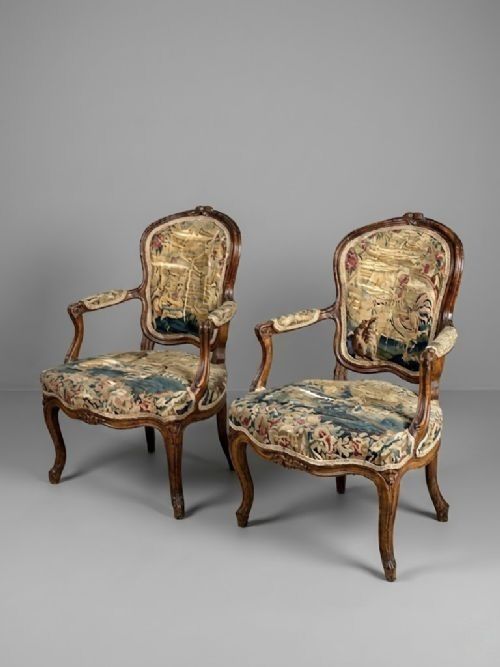
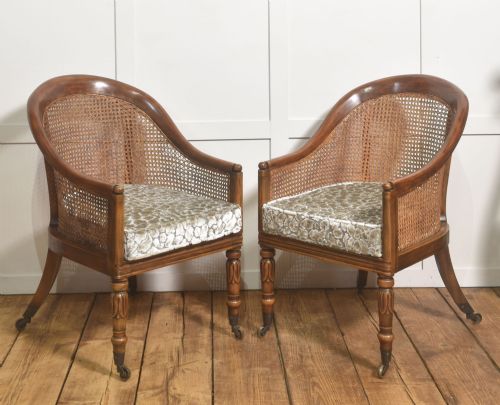
When searching for a brown accent chair, buyers encounter a diverse selection of historical seating including armchairs, side chairs, hall chairs, and occasional chairs.
The inventory ranges across centuries, featuring examples from the seventeenth, eighteenth, and nineteenth centuries, alongside Georgian, Regency, and Victorian styles.
Materials and Construction
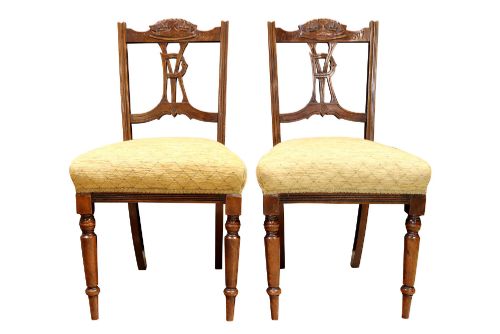
Frames are constructed from hardwoods such as mahogany, walnut, oak, elm, yew, fruitwood, and beech, often shaped with carved details or turned components.
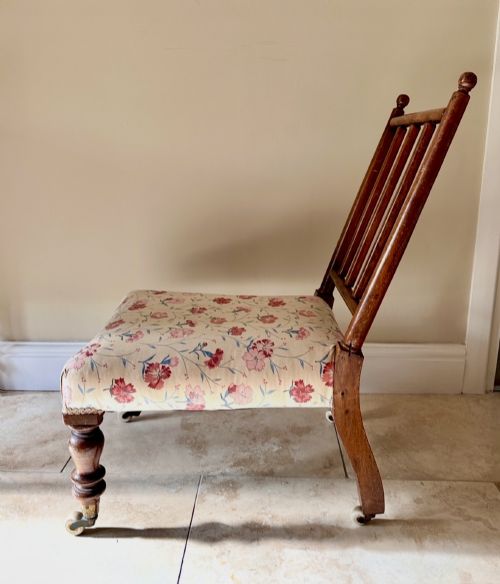
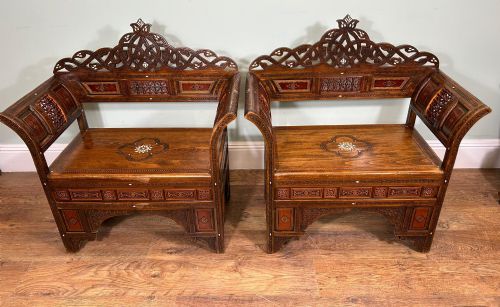
Seats and backs incorporate upholstery materials like leather, fabric, cane, rush, and tapestry, sometimes complemented by brass elements or mother of pearl inlay.
An eighteenth-century correction chair stands ready to straighten posture with undeniable historical firmness.
Craftsmanship and Proportion
Quality rests in the precision of the timber framing, the integrity of joined or turned structural elements, and the depth of carved ornamentation on the wood.
The execution of upholstery work, whether leather, cane, or woven textile, distinguishes standard seating from finer examples.
E.W Godwin·Alexander Greek Thomson·Morris Co
The Brown Accent Chair Glossary
- Carver
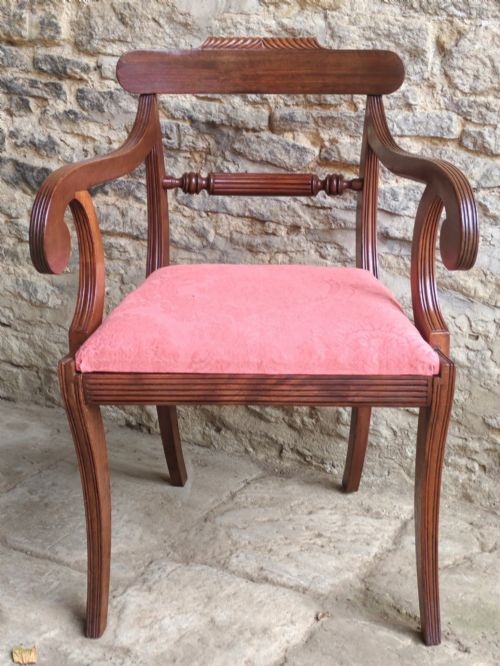
- An armchair, typically designed with solid wooden arms, used at the head of a dining table or as a single seat.
- Bergere
- An enclosed upholstered armchair with wooden framing exposed around the sides and back, often featuring cane panels.
- Sgabello
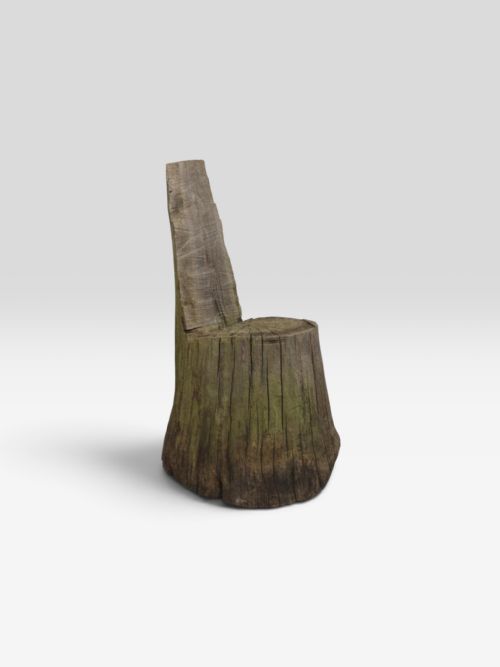
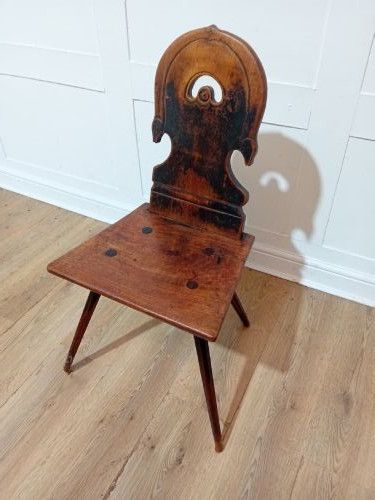
- A rigid wooden hall chair featuring a high back and solid trestle supports instead of traditional legs.
- Spindle-back
- A chair back constructed with a series of slender turned wooden rods or spindles supporting the top rail.
- Spoon back
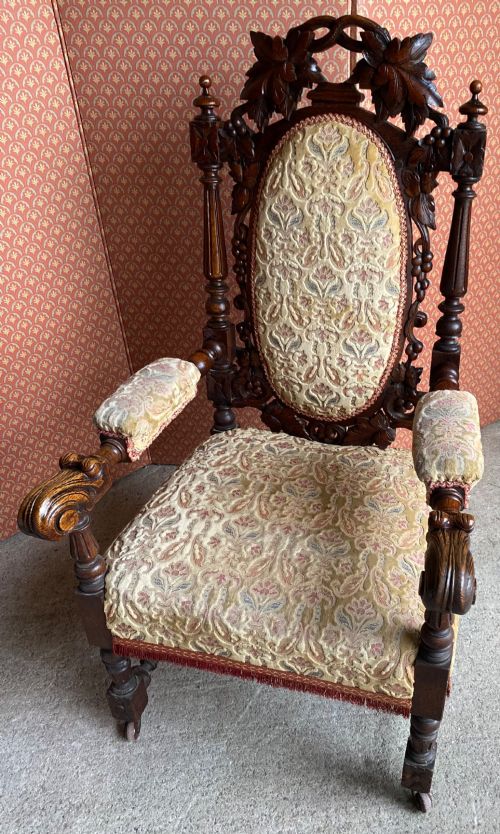
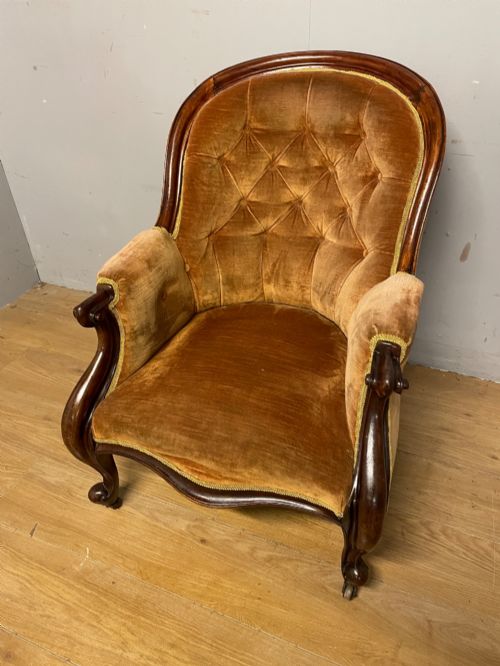
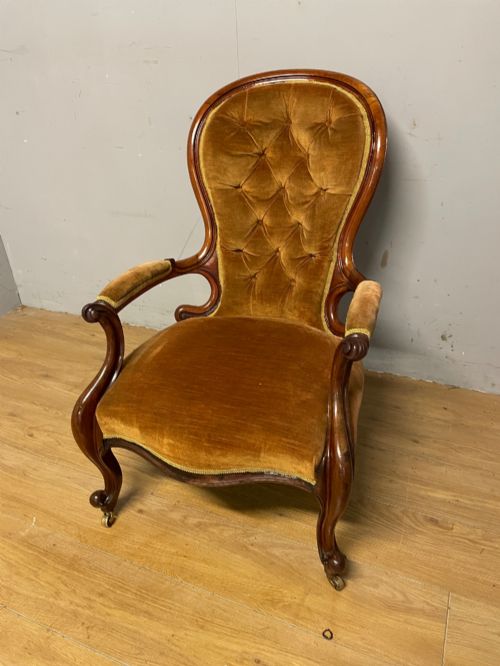
- An upholstered Victorian chair back shaped in a concave oval contour resembling the bowl of a spoon.
Brown Accent Chair: Frequently Asked Questions
How do I identify a Georgian armchair?
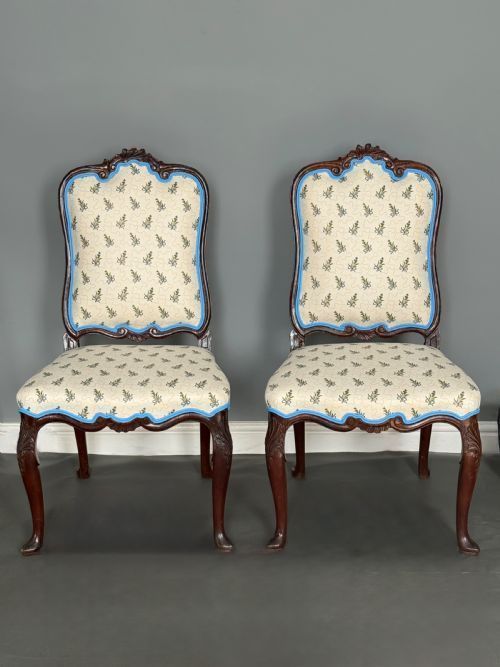
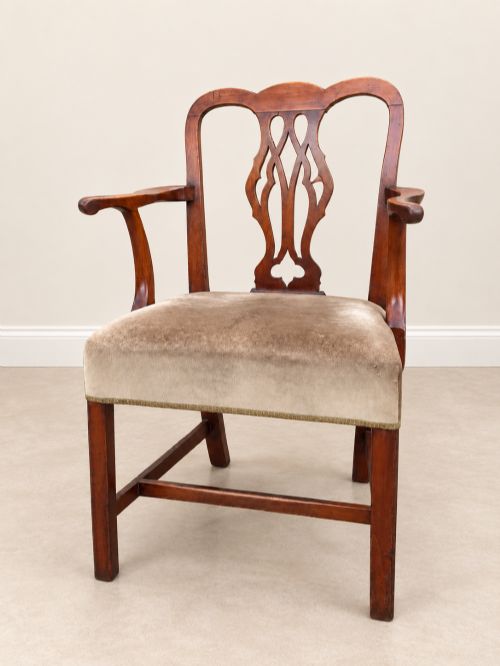
Georgian armchairs typically display sturdy mahogany or walnut frames with characteristic cabriole legs or straight square supports. The joinery is robust, and the overall proportions reflect the architectural symmetry of the eighteenth century.
Details such as carved splats in the backrest help distinguish these seating pieces from later Victorian interpretations.
What is a Windsor armchair?
A Windsor armchair is constructed with a solid wooden seat into which the legs and back spindles are separately socketed. Elm and yew are frequently utilised for these sturdy provincial seats.
They appear in low-back and high-back configurations, offering a functional form suited to domestic interiors.
Where were hall chairs placed?
Hall chairs served as functional seating in the entrance halls of large houses, designed primarily for brief sitting rather than long lounging. They are constructed from timbers like oak and mahogany.
These chairs often feature plain wooden seats and heavily carved or painted crests displaying family crests.
How do I care for antique leather upholstery?
Antique leather on club chairs and armchairs requires gentle cleaning to preserve the natural hide. Avoid excessive moisture and keep the material away from direct heat sources.
Applying specialised leather dressings periodically helps maintain suppleness without altering the historical patina.