

Bronzed Brass Light
These bronzed brass light fixtures span French and English domestic interiors from the nineteenth and early twentieth centuries, offering tactile metalwork and crystal for overhead or wall placement.
Bronzed Brass Light
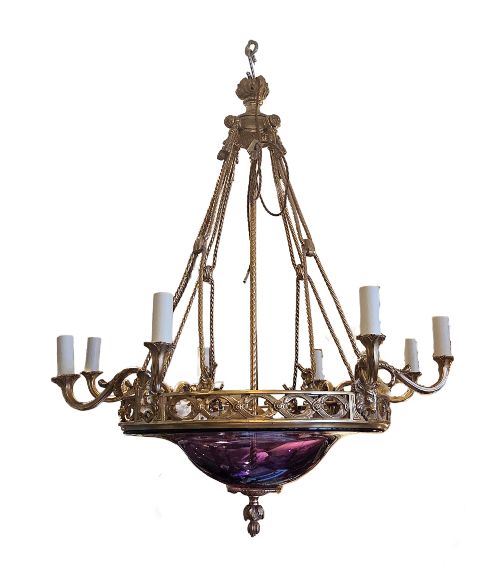
A bronzed brass light encompasses chandeliers, wall sconces, table lamps, and hall lanterns sourced primarily from nineteenth-century and early twentieth-century production. French designs dominate the selection, spanning styles from French Rococo and Empire to Louis XVI and general French chateau aesthetics, alongside Dutch Baroque and English interpretations.
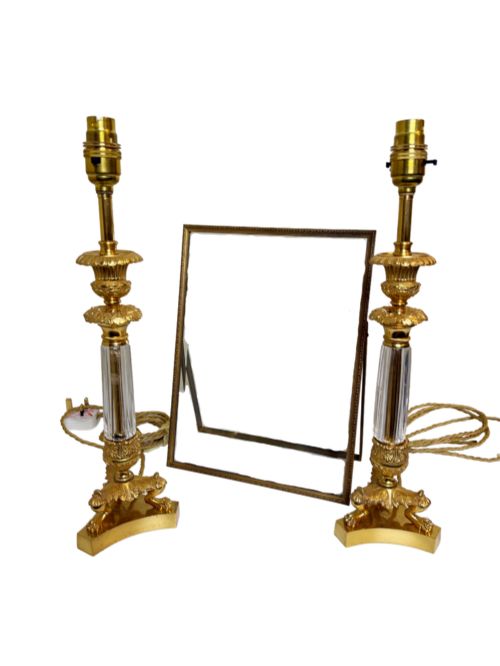
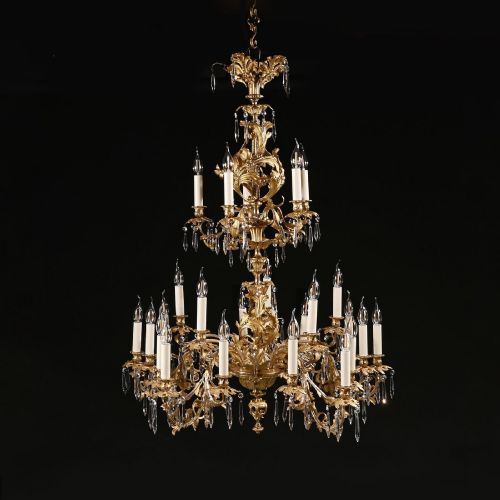
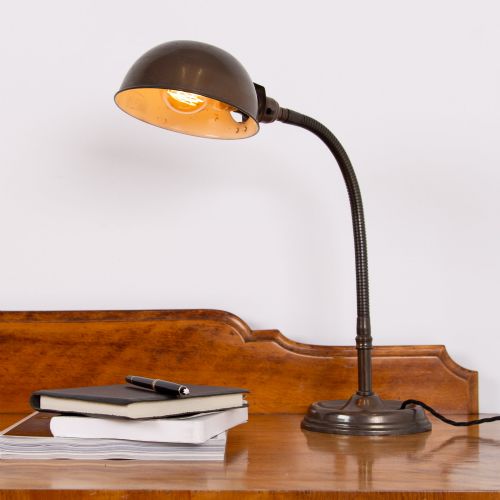
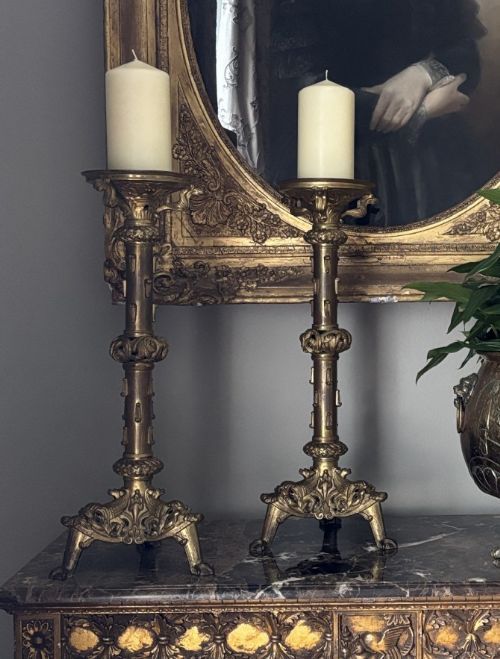
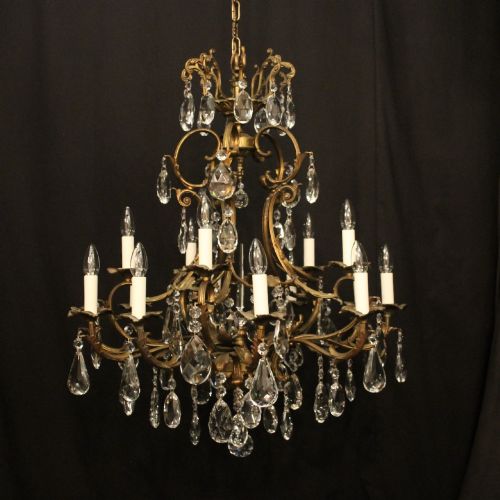
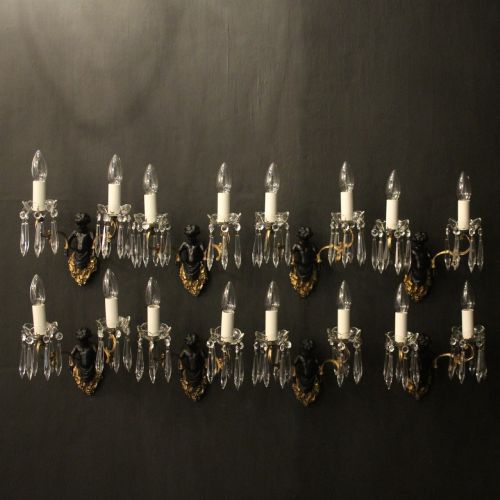
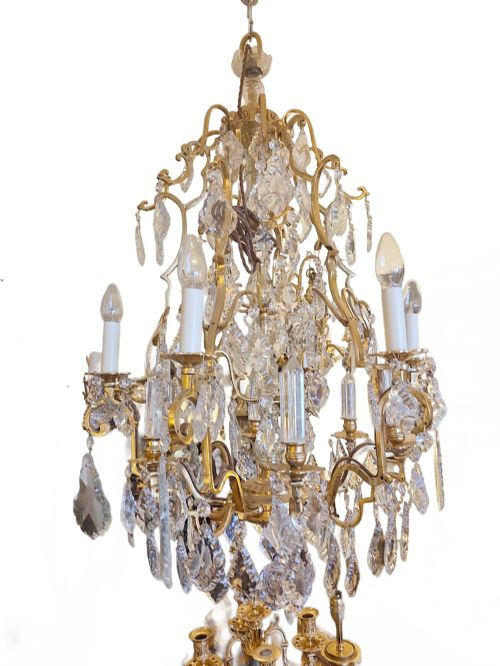
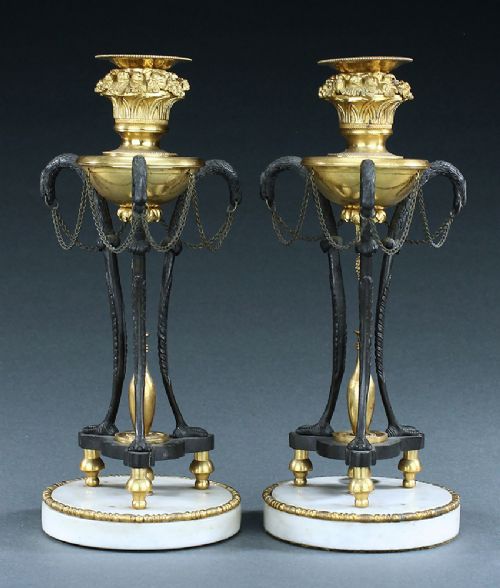
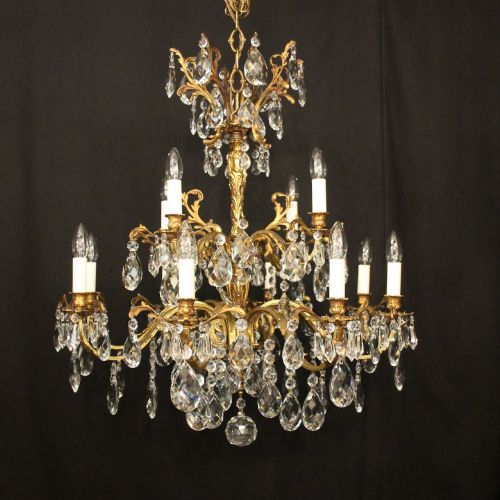
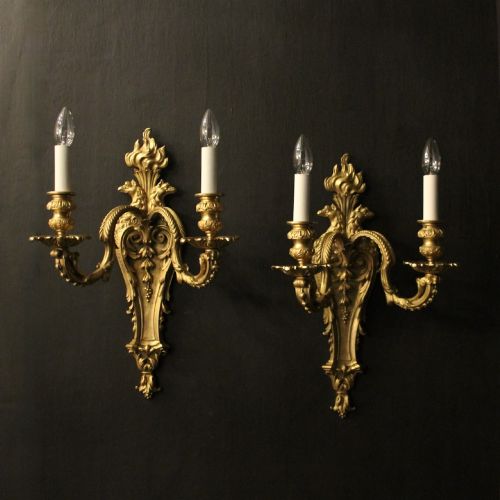
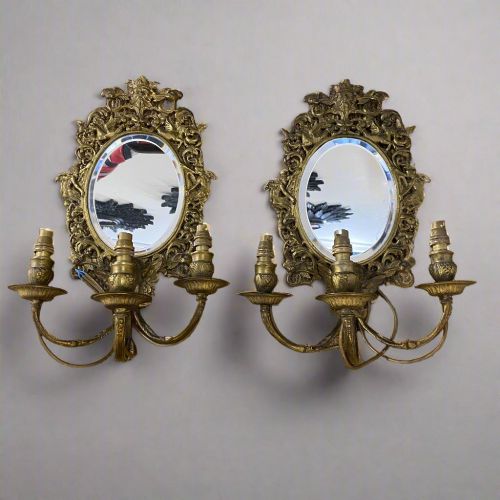
Chandeliers and multi-armed wall lights form the core of what a buyer meets on this page, frequently incorporating crystal drops or cut glass alongside gilded bronze, ormolu, and gilt brass. Table lamps and candlesticks also appear, offering smaller-scale sculptural forms such as horse tamers and Japanese champlevé work.
Distinctions in craftsmanship
Quality separates through the crispness of the metal casting and the depth of the chasing work on bronzed or gilded surfaces. Superior pieces display sharply defined botanical or figurative motifs rather than soft, generalized contours resulting from worn production moulds.
The integration of crystal and glass elements dictates the upper tier of the range. Hand-cut crystal drops with precise faceting refract light distinctly compared to simpler pressed glass alternatives, while heavy gauge metal armature ensures structural integrity across large multi-arm chandeliers.
Bronzed Brass Light Retail Price Guide 2026
Typical asking prices for bronzed brass light among the pieces listed under this phrase on Sellingantiques today, from the lower quarter to the upper quarter. They describe what is for sale here now, not the wider market.
Listings feature nineteenth-century and early twentieth-century pieces, spanning periods from eighteen-hundred to nineteen-thirty including Edwardian examples.
The Bronzed Brass Light Glossary
- Ormolu
- A gilded bronze technique utilising ground gold mercury amalgam applied to a bronze base, historically common in French decorative arts. It provides a warm, durable metallic lustre on chandeliers and wall lights.
- Champlevé
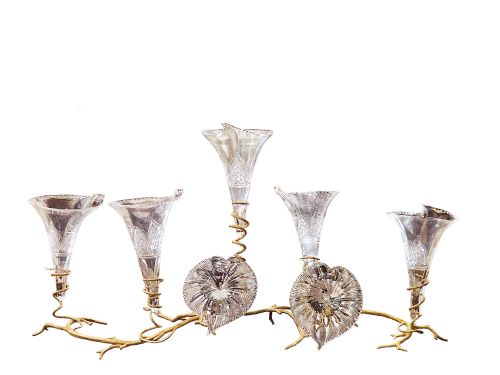
- An enamelling technique where troughs are carved into a bronze surface and filled with vitreous enamel before firing. This method appears on decorative table lamps and vessels.
- Tent and Waterfall
- A chandelier configuration where strings of crystal beads form an upper triangular tent shape dropping into a cascading fall over the central tiers. It creates layered refraction across the light fixture.
- Hall Lantern
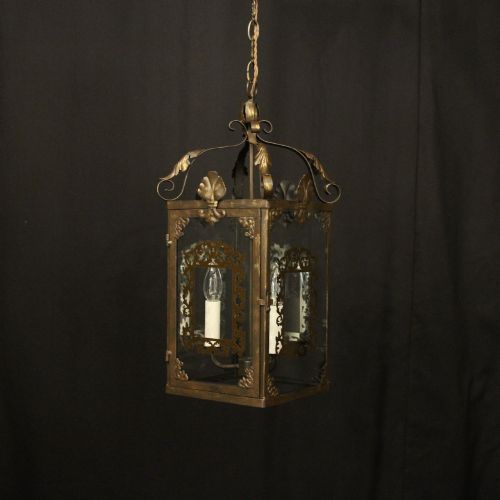
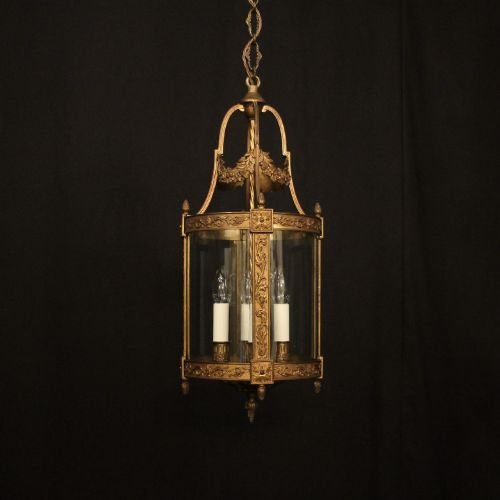
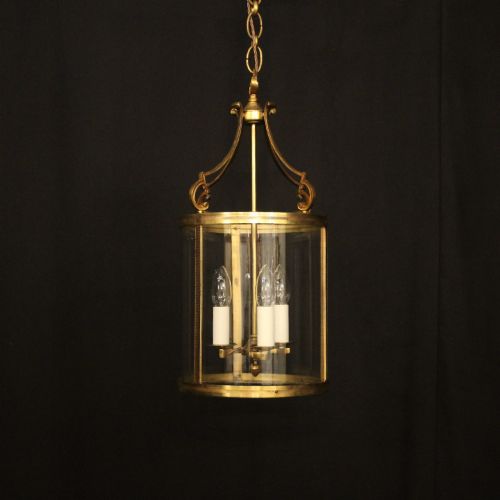
- An enclosed ceiling-hung light designed specifically for entrance spaces and corridors. These fixtures often feature convex glass panels mounted within a brass or bronze framework.
Bronzed Brass Light: Frequently Asked Questions
How do I clean a crystal chandelier?
Maintenance requires wiping individual crystal drops with a mild cleaning solution while the fixture remains hung. Gentle handling prevents strain on the delicate brass or bronze arms.
Harsh chemical sprays should be avoided to protect the underlying gilt bronze or bronzed brass patination from permanent damage.
Are these lights wired for modern electricity?
Many nineteenth and early twentieth-century fixtures arrive adapted for contemporary electrical standards during their lifetime. Rewiring may be necessary to ensure compliance with current safety regulations.
A qualified electrician should inspect the internal wiring of antique chandeliers and wall lights prior to installation.
What rooms suit a hall lantern?
Hall lanterns are scaled for entryways, vestibules, and narrow corridors where overhead illumination is required without sprawling arms. Their enclosed design protects the interior light source in high-traffic transition zones.
Larger versions also function effectively in stairwells and high-ceilinged landings.
How do I identify French Empire style?
French Empire lighting draws on classical antiquity, displaying formal symmetry, military motifs, and crisp gilt bronze mounts. The silhouettes tend to be architectural and restrained compared to the flowing asymmetry of Rococo designs.
These pieces originate predominantly from the nineteenth century and reflect neoclassical influence.