

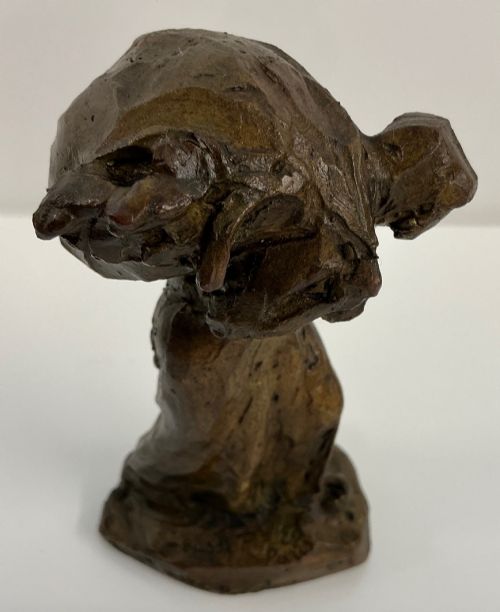
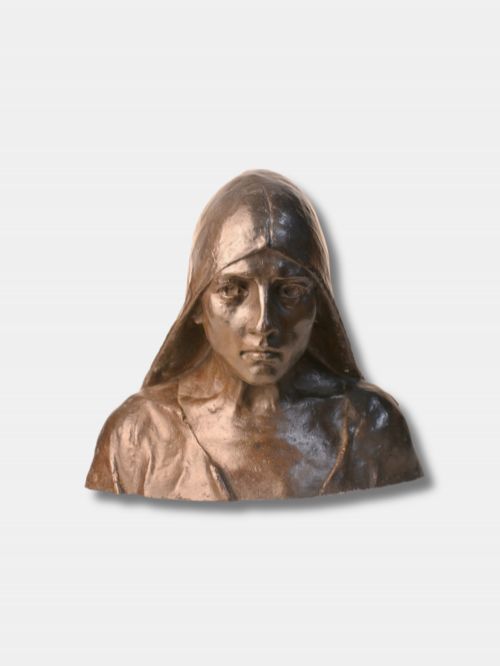

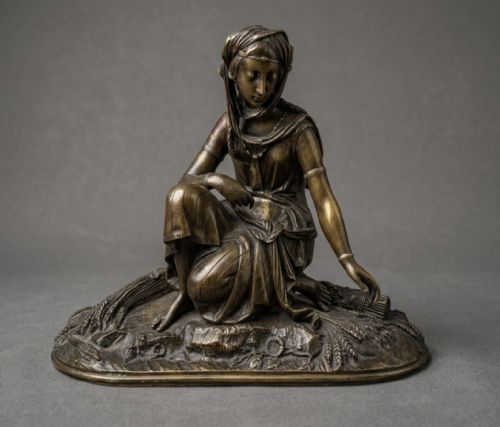


Bronze Woman Statue
A bronze woman statue brings the human form into domestic spaces through enduring metal cast across distinct periods of design.
Bronze Woman Statue
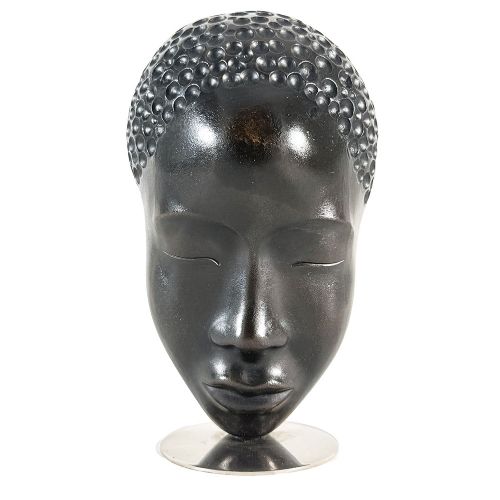
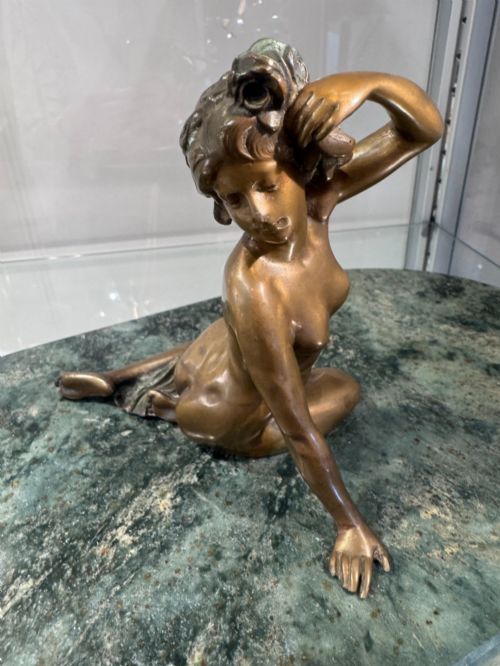
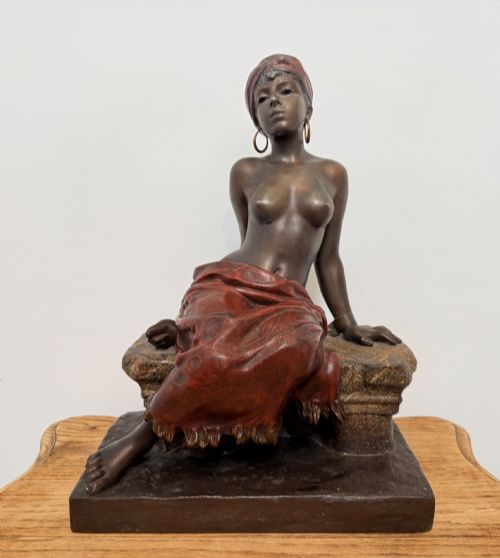
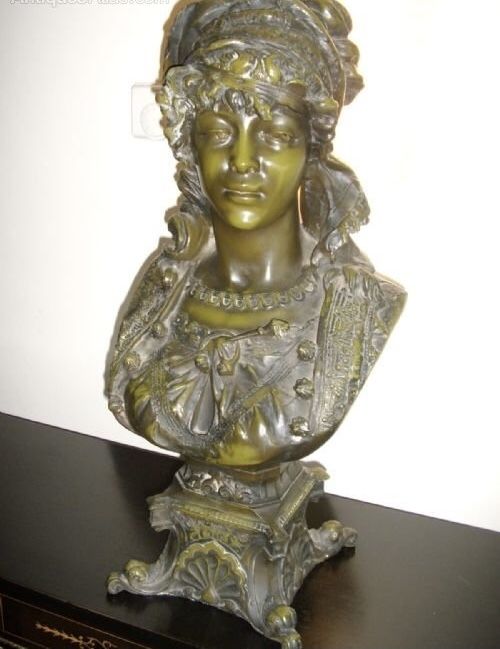
When searching for a bronze woman statue, collectors encounter pieces spanning from the nineteenth century into the Art Deco era, encompassing both full figures and detailed busts. These works frequently draw on classical motifs, orientalist themes, and naturalistic studies characteristic of French ateliers and international workshops.
The most common examples on this page date from the late nineteenth century and the interwar decades, reflecting either the flowing lines of Art Nouveau or the stylised geometry of the 1920s and 1930s. Figures range from mythological deities and dancers to allegorical maidens and contemporary ladies.
Makers often mounted these sculptures on substantial bases of marble or onyx to anchor the heavy metalwork and provide a clean contrast to the patinated surface. Domestic figures sit alongside car mascots and cabinet bronzes, showing the diverse scales available to past buyers.
Materials and casting methods
Foundries typically utilised the lost-wax method or sand casting to produce these figures, allowing for intricate detail in drapery, hair, and facial expression. The primary metal is alloyed copper and tin, though substitutes like spelter and bronzed plaster appear across specific budget points and periods.
Surface treatments vary widely, from deep brown patination and cold-painted highlights to gilt finishes that emphasise the decorative qualities of the garment or setting. Bases incorporate natural stone such as marble and onyx, secured with threaded bolts running up through the core of the statue.
One determined classical lady on this page spends her time perpetually fighting off an aggressive bronze snake.
Distinguishing quality in figures
The sharpness of the chasing work after casting separates superior examples from mass-produced output, as skilled artisans spent hours hand-tooling the metal surface to define fingers, eyelashes, and textile textures. Inferior castings often exhibit soft details and visible seam lines that evade clean finishing.
The choice and integration of the base material indicate the care taken in construction, with fitted stone plinths marking better productions than simple composition blocks. Signed pieces associated with known sculptors demonstrate higher modelling standards and careful studio supervision.
E Villanis·Demetre Chiparus·Jules Dalou·Georges Van Der Straeten·Emile Jespers·Sibylle May·Maurice Bouval·Paul Joris·Pierre Hebert·Eugene Laurent·Henri Ple·Albert Carrier Belleuse
The Bronze Woman Statue Glossary
- Patina
- The chemical colouration applied to the surface of the metal, or developed naturally over time through oxidation. It protects the bronze and creates subtle tonal variations.
- Spelter
- An alloy of zinc and lead used as a cheaper alternative to bronze. It feels lighter and accepts paint differently than copper-based metals.
- Chasing
- The process of hand-finishing a raw metal casting using small chisels and punches. This removes casting flaws and sharpens surface details.
- Cold-painted
- A method where enamel or oil paint is applied to cold metal without subsequent firing. It appears frequently on decorative cabinet bronzes.
- Lost-wax
- A casting technique where a wax model is encased in a mould, melted out, and replaced with molten metal. It permits exceptional undercutting and fine detail.
Bronze Woman Statue: Frequently Asked Questions
How do I clean a bronze woman statue?
Dust the surface gently with a soft, dry brush to prevent dirt accumulation in the crevices of the drapery or hair.
Avoid using water, chemical cleaners, or abrasives, as these substances strip the historical patina and damage the underlying metal.
How can I tell bronze from spelter?
Bronze is heavier, colder to the touch, and rings with a distinct tone when tapped lightly, whereas spelter feels softer and lighter.
Examining the underside or areas where the finish has worn reveals the greyish metal of spelter compared to the warm reddish-brown of bronze.
Why do some figures have marble bases?
Foundries added stone plinths to provide physical stability to top-heavy figures and to create a formal boundary between the sculpture and the furniture.
Different stones, such as black marble or green onyx, matched the interior decorating tastes of the Victorian and Art Deco periods.
Are all these statues French?
Many of the listed pieces originate from French foundries and artists active in Paris during the nineteenth and early twentieth centuries.
However, the selection also includes English, Austrian, and American productions that reflect regional artistic training and local casting traditions.
What is an Art Deco car mascot?
These small bronze and spelter figures were mounted on the radiator caps of luxury automobiles during the interwar years.
Artists designed stylised female forms to cut through the wind visually, combining utility with fashionable modern aesthetics.