



Bronze Pendant Lamp
A bronze pendant lamp brings warmth and directed illumination to a space, combining cast metalwork with glass in forms that span the nineteenth and early twentieth centuries.
Bronze Pendant Lamp
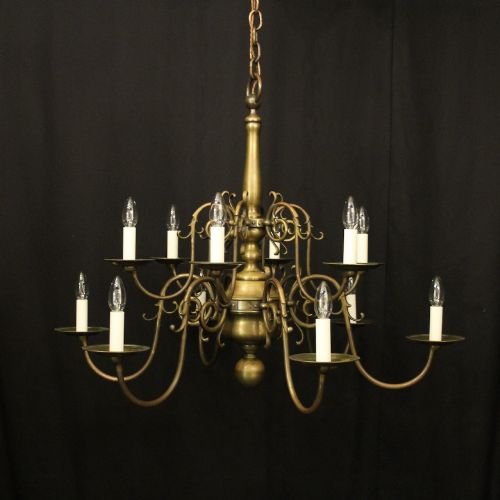
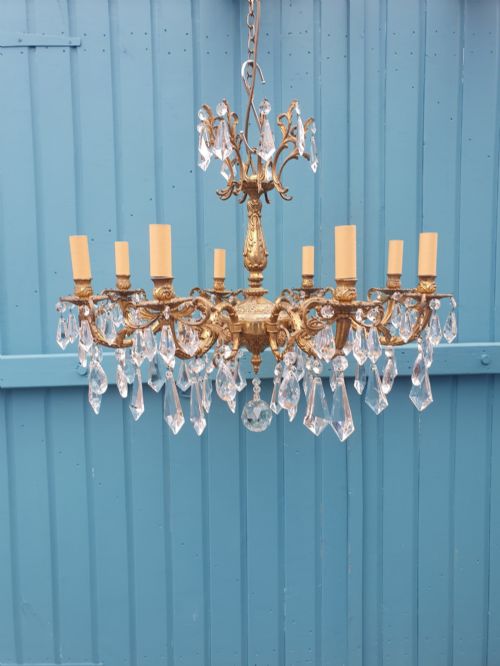
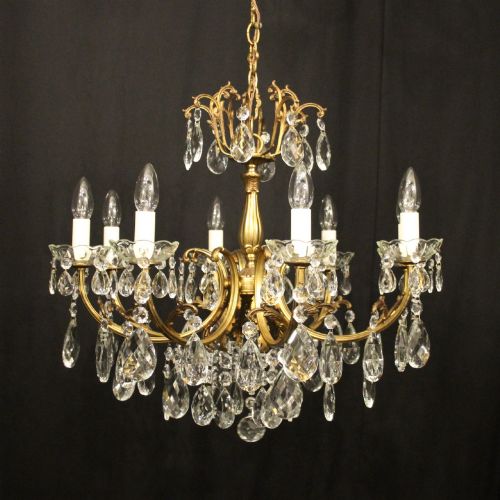
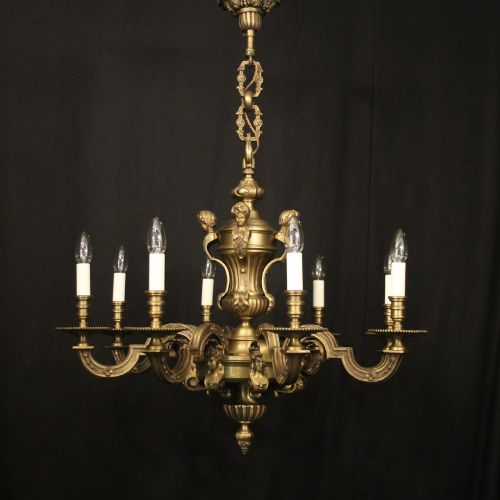
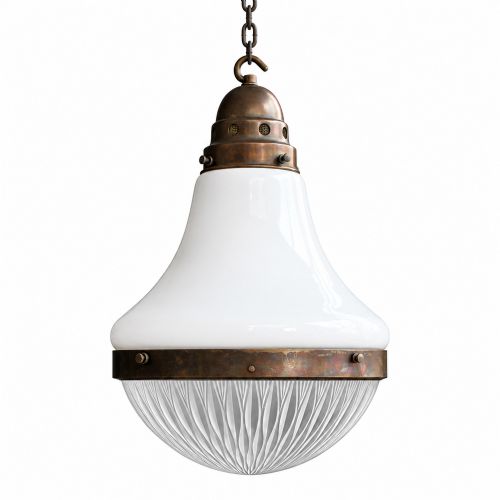
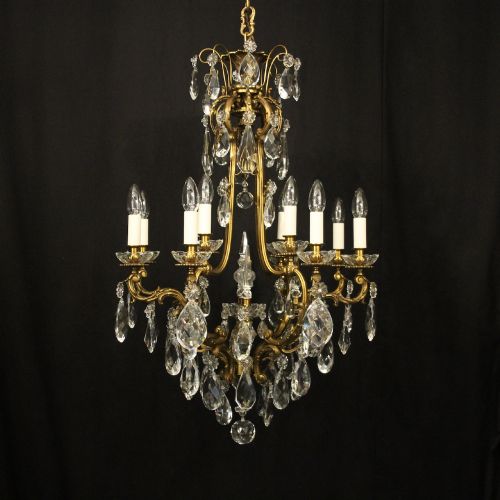
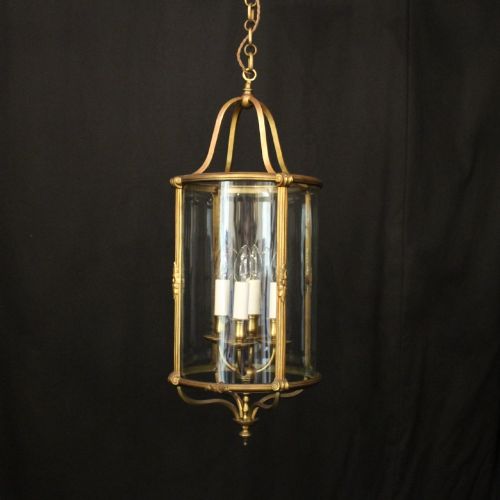
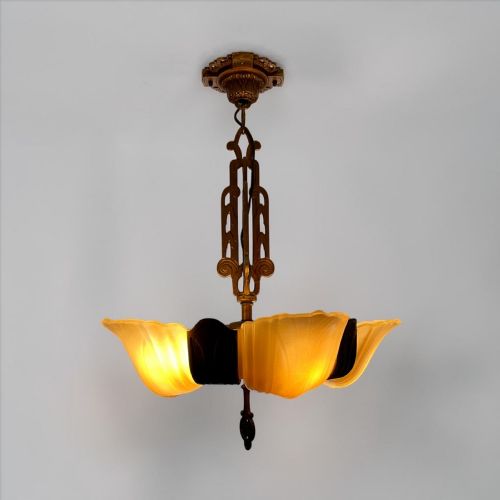
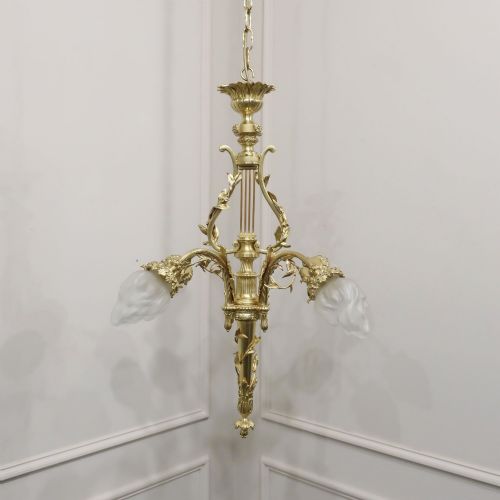
When searching for a bronze pendant lamp, buyers encounter a range of ceiling-suspended lighting fixtures from nineteenth-century Victorian workshops to the nineteen-thirties. These pieces encompass multi-armed chandeliers, hall lanterns, and single-light glass fixtures designed to hang centrally in rooms or hallways.
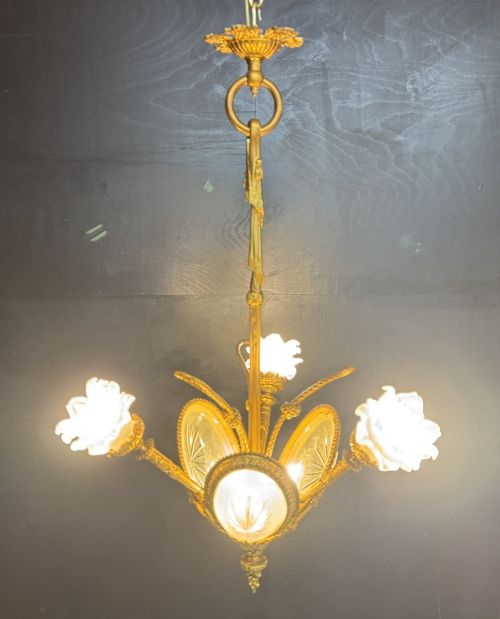
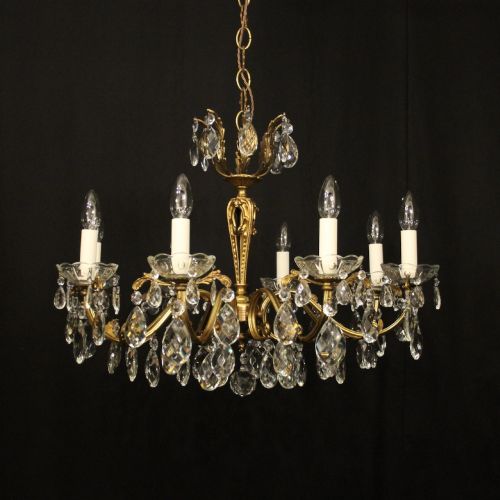
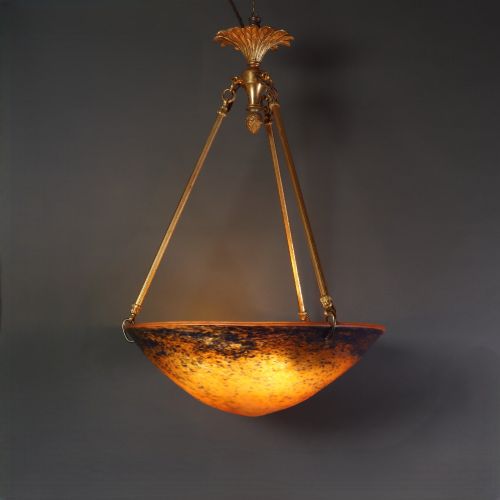
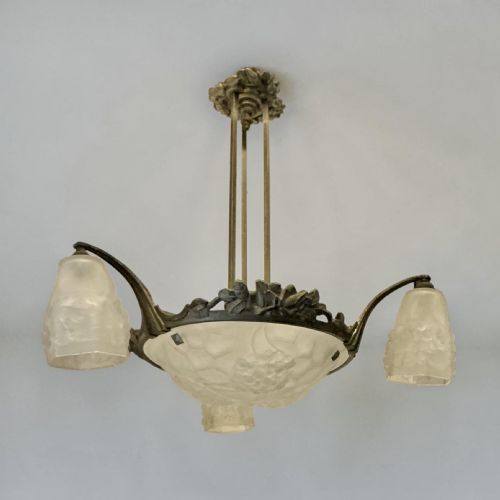
The selection leans heavily toward French production, featuring styles from Neoclassical and Empire to Art Deco. Many examples incorporate cut glass crystals, frosted shades, or opaline glass alongside the metal structure to diffuse the light downwards.
How they were made
The primary metalwork relies on cast bronze, gilt bronze, or brass, often shaped into arms, frames, and decorative mounts. Gilding and patination techniques were applied to the metal surfaces to achieve varying tones of gold and dark bronze.
Glass elements such as crystal prisms, cut glass bowls, and slip shades were formed separately and integrated into the bronze skeletons using pins, wiring, or metal collars. These materials work together to support multi-light configurations without weighing down the ceiling suspension.
Bronze Pendant Lamp Retail Price Guide 2026
Typical asking prices for bronze pendant lamp among the pieces listed under this phrase on Sellingantiques today, from the lower quarter to the upper quarter. They describe what is for sale here now, not the wider market.
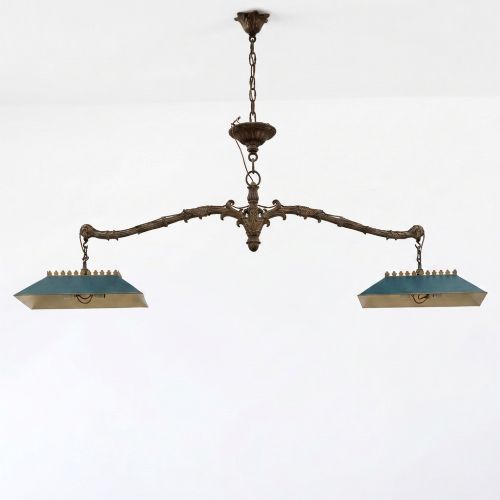
Some nineteenth-century models were built specifically to illuminate billiard tables with long rows of glowing glass shades.
What varies in quality
Quality separates through the crispness of the bronze casting and the depth of the chased details on arms and mounts. Finer pieces display sharply defined ornamentation rather than softened edges from worn moulds.
The integration of the glass components also marks the standard of production. Original cut crystal drops and heavy opaline or moulded glass shades indicate higher-tier manufacturing than later replacements or thin press-moulded alternatives.
Charles Schneider·Degué·Perry & Co·G.E.C
The Bronze Pendant Lamp Glossary
- Ormolu
- Gilded bronze produced by applying a mercury and gold amalgam to the metal surface. This historic French technique produces a distinctive warm golden finish on decorative mounts.
- Plafonnier
- A ceiling-mounted or close-hanging glass bowl light fixture. These pieces often feature moulded or frosted art deco glass held by metal frames.
- Slip shade
- A type of glass shade used in twentieth-century ceiling lights that slips directly into a metal frame or basket. They are commonly moulded with geometric or floral relief patterns.
- Opaline glass
- A type of semi-translucent white or tinted glass popular in Victorian lighting. It softens the bulb glow and diffuses light evenly across the room.
- Waterfall
- A chandelier arrangement where crystal drops hang in dense tiers resembling falling water. This style is frequently seen in Empire and French chateau designs.
Bronze Pendant Lamp: Frequently Asked Questions
What is a bronze pendant lamp?
A bronze pendant lamp is a ceiling-hung lighting fixture constructed primarily from bronze or related copper alloys, often paired with glass elements. These fixtures serve as the main overhead light source in a room.
Originating across the nineteenth and early twentieth centuries, they utilise chains, rods, or cords to suspend the metal frame at a practical height above floor level.
How do I hang a heavy bronze chandelier?
Hanging a heavy bronze or gilt brass chandelier requires anchoring directly into the ceiling joist or using a rated structural ceiling box. The weight of the cast metal and glass components demands robust hardware.
Professional installation is standard practice for antique fixtures of substantial size to ensure the electrical wiring and ceiling fixings can safely support the load.
How do I clean an antique bronze light?
Cleaning an antique bronze light involves dusting the metal and glass components gently with a dry, soft cloth. Avoid using harsh chemical polishes that can strip historic patination or gilding.
Crystal drops and glass shades can sometimes be removed and washed in warm soapy water, provided they are dried completely before being reattached to the metal frame.
Are these lamps wired for modern electricity?
Many antique lighting fixtures have been rewired at some point in their history to meet contemporary electrical standards. Buyers should inspect the internal wiring of each piece upon arrival.
Rewiring an older frame is a straightforward task for a qualified electrician, allowing historical fixtures to accept standard modern bulbs safely.