


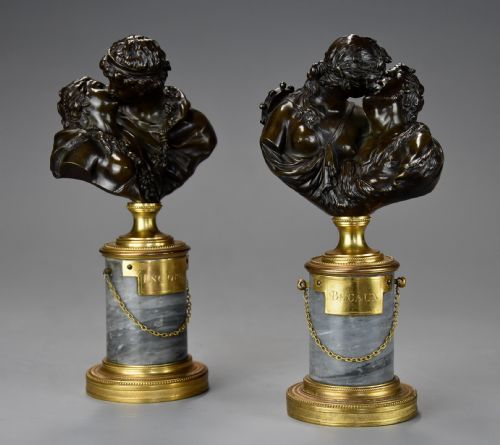


Bronze Figure Bust
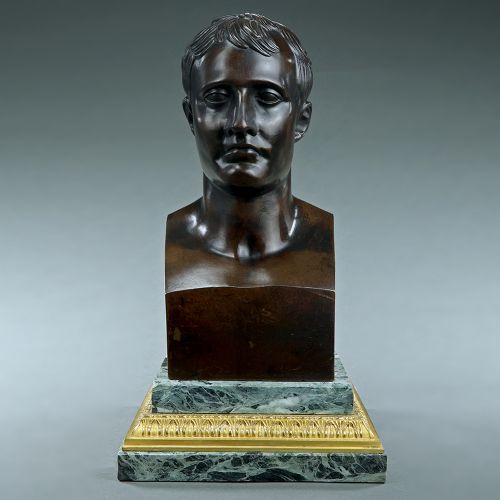
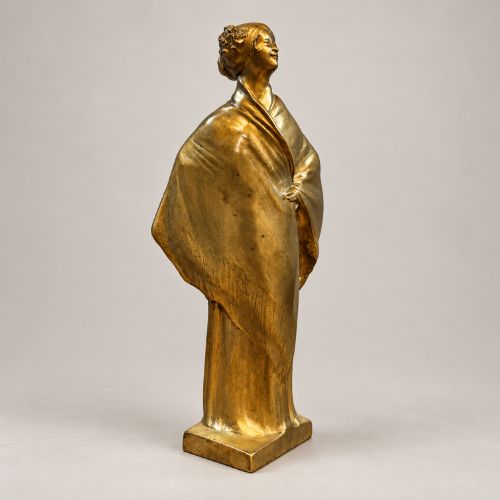
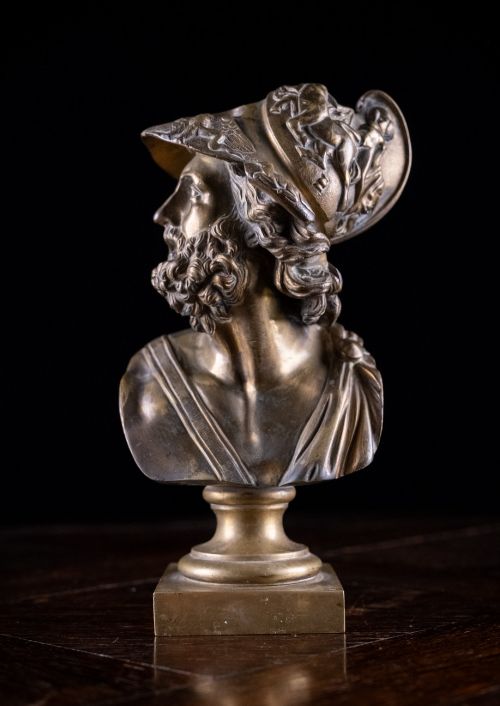
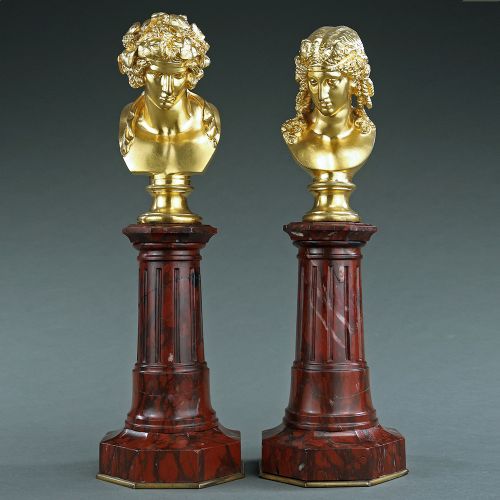
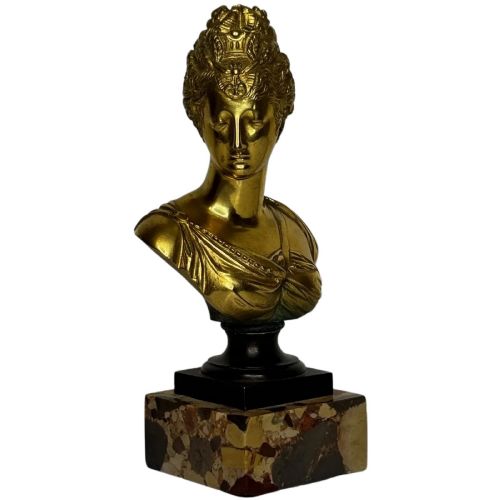
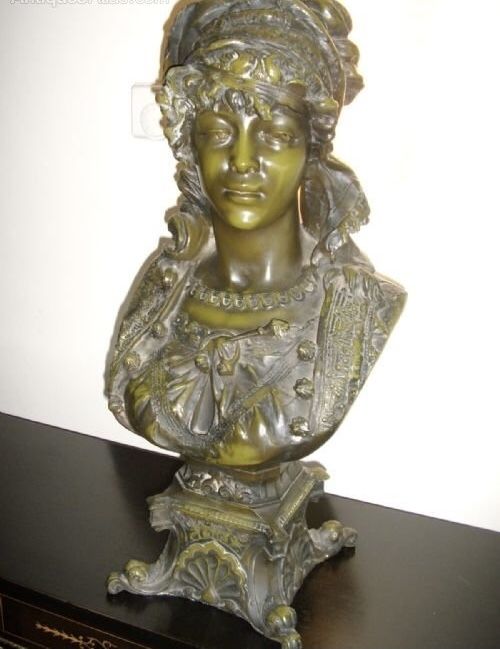
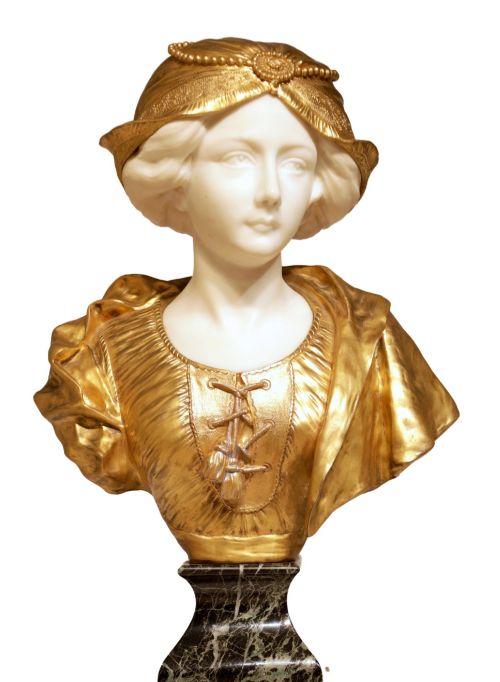
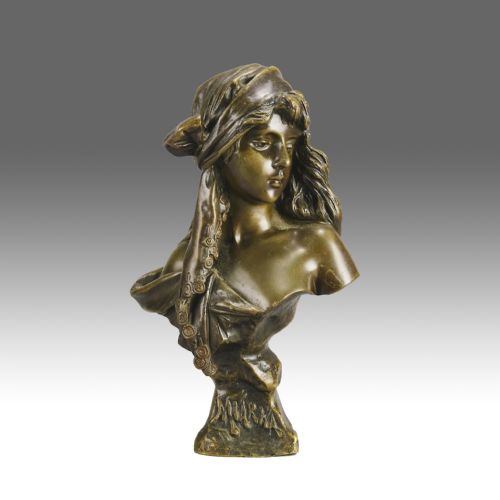
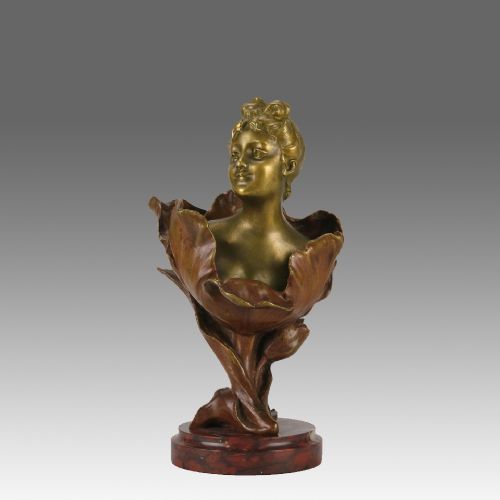
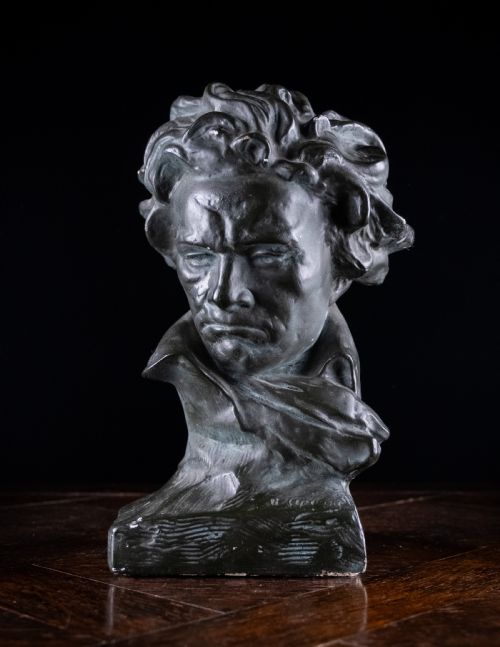
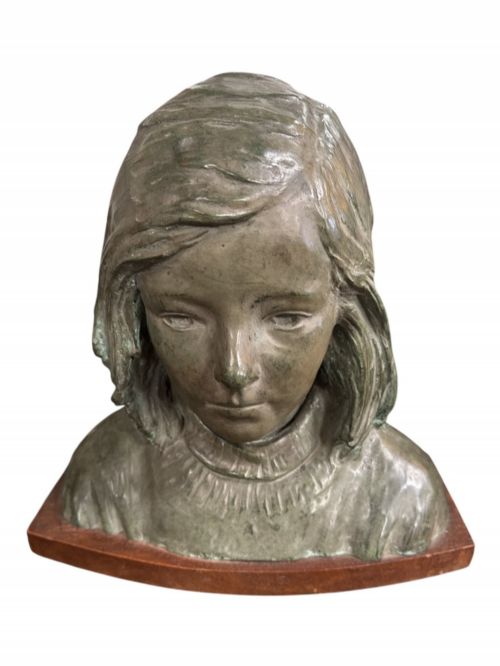
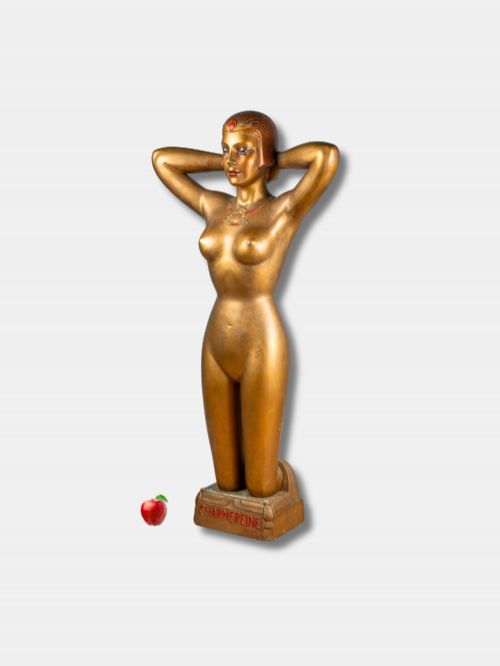
These bronze figure bust examples capture historic subjects and literary heroes in cast metal, bringing classical presence and sculptural detail to a room.
Bronze Figure Bust
A bronze figure bust concentrates sculptural attention on the head, shoulders and upper chest, often mounted on an integrated or separate base. When searching for a bronze figure bust, buyers encounter historical rulers, literary figures, mythological characters and idealized portraits from the nineteenth and early twentieth centuries.
The selections span grand tour souvenirs of classical figures alongside expressive portraiture from the Victorian, Art Nouveau and Art Deco periods. French founders and international artists produced these works in varied sizes, ranging from cabinet pieces to substantial library ornaments.
Materials and casting methods
Foundries utilised traditional lost-wax casting and sand casting methods to capture fine details in bronze, patinated bronze, gilt bronze and ormolu. Artisans frequently combined these metals with contrasting pedestals formed from marble, alabaster or stone.
Bronze Figure Bust Retail Price Guide 2026
Typical asking prices for bronze figure bust among the pieces listed under this phrase on Sellingantiques today, from the lower quarter to the upper quarter. They describe what is for sale here now, not the wider market.
Listings feature works from the Georgian period through the 1950s, executed in bronze, terracotta, plaster, and cast iron.
Factors that distinguish quality
The sharpness of the cast and the crispness of the chiselling separate standard production pieces from finer works. Superior examples retain delicate details in the hair, eyes and fabric without softening from worn moulds.
The harmony between the metal sculpture and its supporting plinth, along with the depth and warmth of the original patination, defines the overall integrity of the piece.
Affortunato Gory·Emmanuel Villanis·Henri Godet·Georges-Charles Coudray·Ernest-Eugène Hiolle·Leonhard Posch·Ernest Rancoulet
The Bronze Figure Bust Glossary
- Patinated bronze
- Bronze treated with chemical solutions to produce a specific surface colour, ranging from deep brown to green. This treatment protects the metal and defines the visual mood of the sculpture.
- Ormolu
- Gilt bronze produced by applying a finely ground mercury and gold amalgam to a bronze base and heating it. The technique creates a durable, rich golden surface.
- Grand Tour
- Cultural travel undertaken by wealthy Europeans in the eighteenth and nineteenth centuries, collecting small sculptures and busts as souvenirs of classical antiquities.
- Lost-wax casting
- A historic method where a model is encased in wax, melted out, and replaced with molten bronze. This technique allows for intricate and undercut details.
- Spelter
- A zinc alloy frequently utilised as a substitute for bronze in decorative figures. It is lighter and softer than bronze, often given a bronze-like finish.
Bronze Figure Bust: Frequently Asked Questions
What subjects appear on these busts?
Subjects range from classical figures and Roman emperors to literary characters, historical rulers and idealized female portraits.
Creators also depicted mythological deities and contemporary nineteenth-century personalities.
Where should I display them?
These pieces suit mantelpieces, desks, bookcases and dedicated console tables where adequate lighting reveals their form.
Pairing them with contrasting backgrounds enhances the silhouette of the metal and stone.
Are bases original to the pieces?
Many sculptures retain their fitted marble or alabaster plinths, which were selected by the founder to complement the metal.
In some instances, bases were replaced or modified during later periods of display.