
Bronze Chandelier Light
A bronze chandelier light brings weight and presence to a room, casting warm illumination through disciplined metalwork and suspended glass.
Bronze Chandelier Light
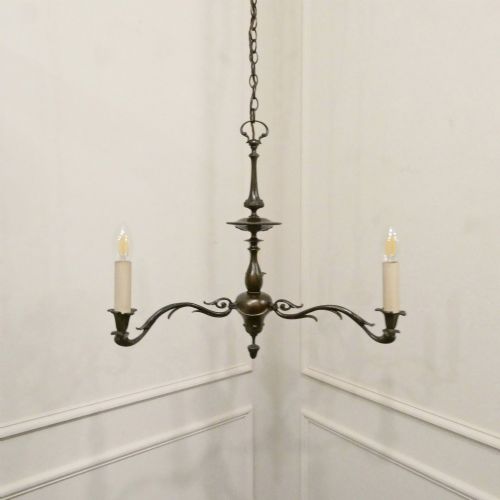
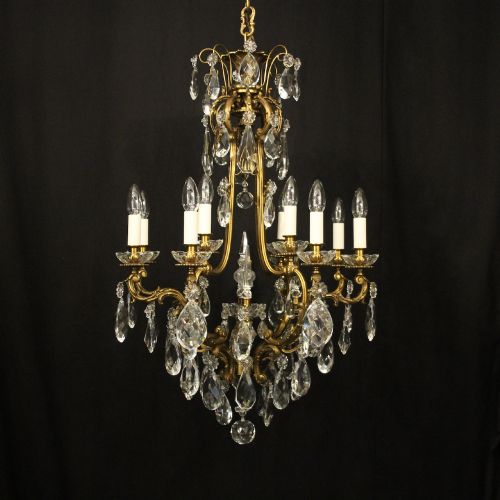
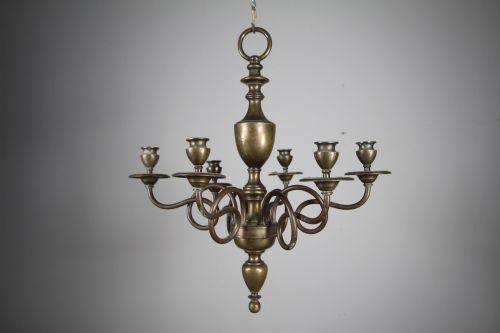
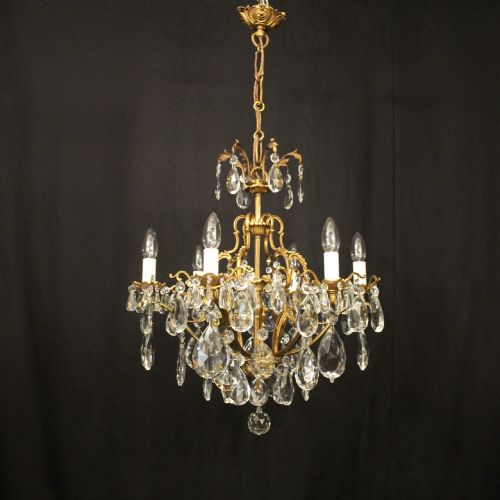
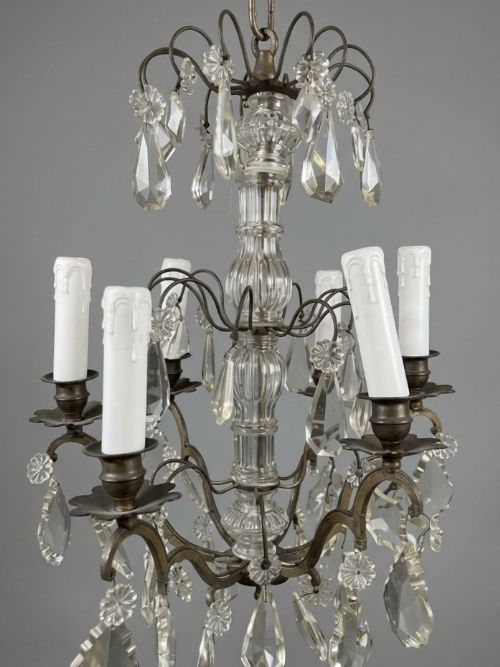
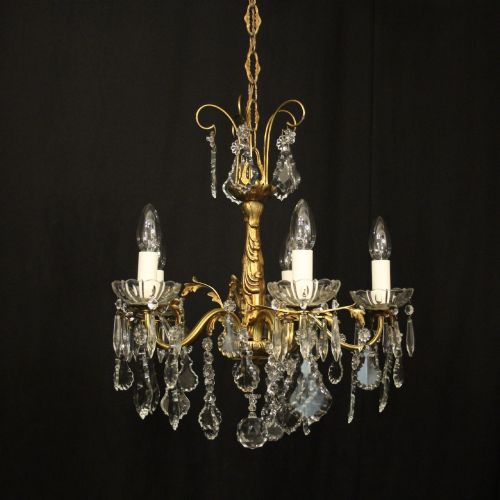
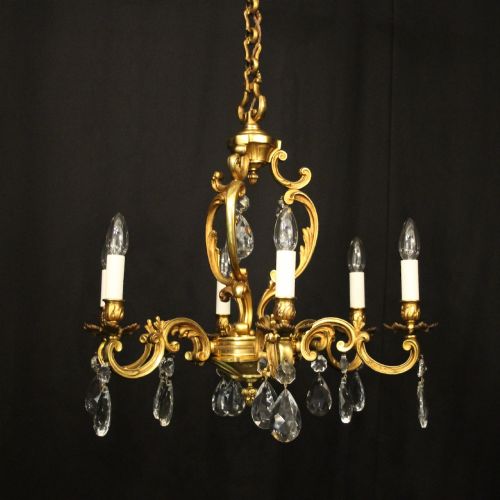
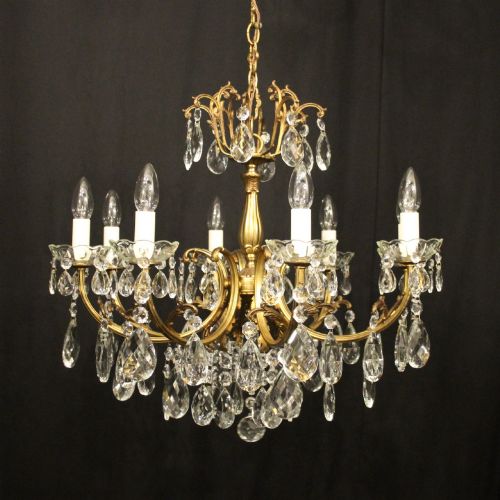
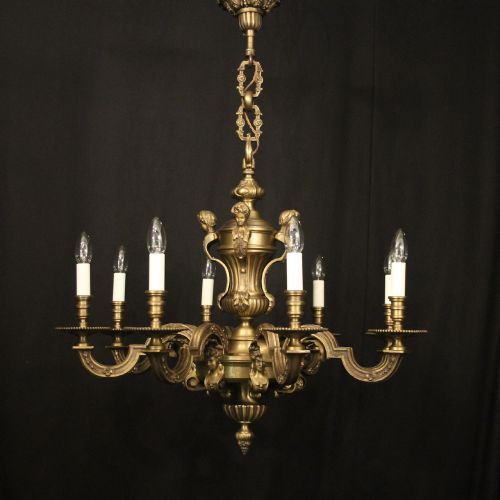
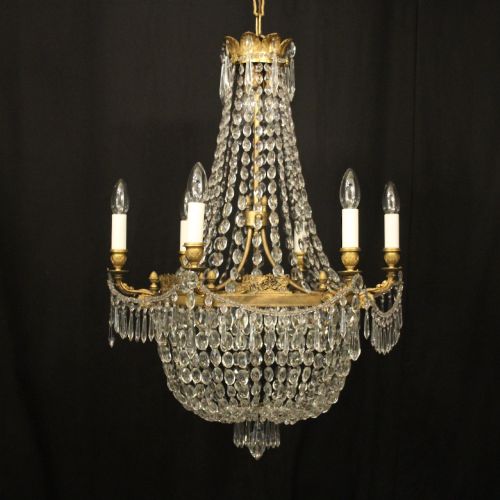
A bronze chandelier light gathers light fixtures designed for suspension from the ceiling, formed primarily in bronze alongside brass, gilt bronze, and cut crystal. These fittings originate predominantly from French workshops spanning the nineteenth century through the nineteen-thirties, taking forms such as multi-arm chandeliers, hall lanterns, and tent and waterfall configurations.
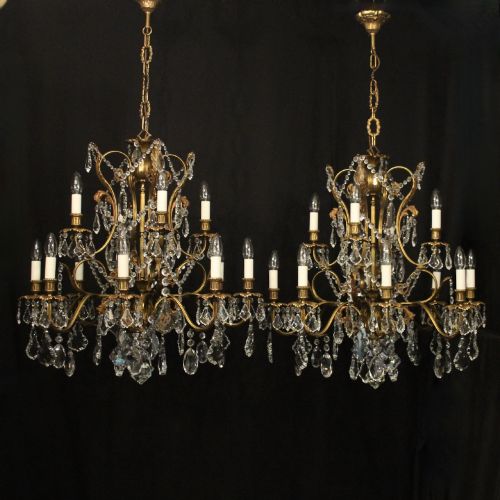
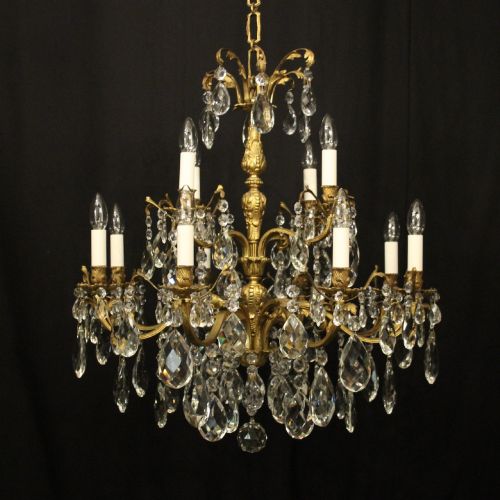
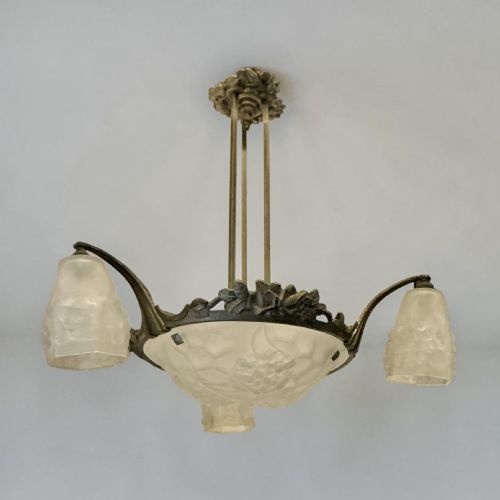
The selection here heavily reflects early twentieth-century production from the nineteen-twenties and nineteen-thirties, alongside substantial nineteenth-century examples. Buyers encounter French Rococo Revival, Neoclassical, and Art Deco idioms, ranging from six-light gilded frames to large twenty-five-light centrepieces.
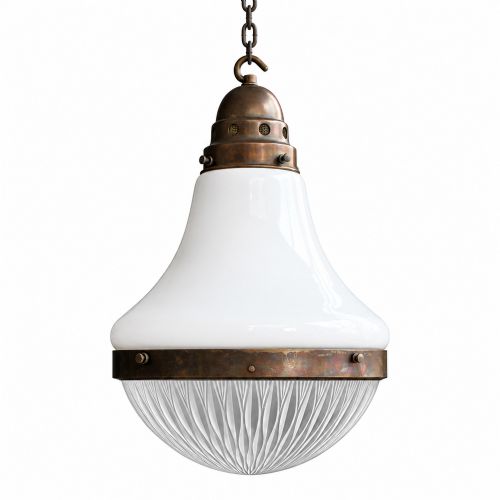
Alongside standard ceiling fixtures, the listings encompass pendant lights, wall lights, and convex hall lanterns. These objects utilise combinations of dark bronze, gilded surfaces, and cut glass to project distinct historical styles within domestic interiors.
How they were made
Metals such as bronze, brass, and gilt bronze provide the structural frames for these fittings, often cast in multiple sections before being assembled and finished. Gilded treatments and silver gilding are applied to metal components to catch and reflect illumination from the bulbs or candles.
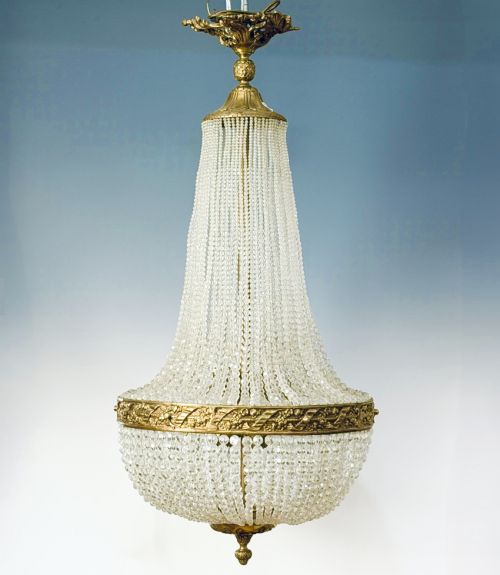
Cut crystal and glass elements, including pendants, spikes, and slip shades, are suspended from the metal armatures to refract the light. These glass components range from simple drops to elaborate tent and waterfall arrangements paired with bronze frameworks.
Listings feature pieces spanning from the nineteenth century through the Edwardian period and the nineteen-thirties.
What varies in quality
The sophistication of the casting and chasing on the bronze or gilt metal defines the upper tier of these objects. Crisp leaf decoration, finely modelled figures like flying cherubs, and complex structural armatures distinguish superior examples from simpler production.
The integration and abundance of cut crystal contribute significantly to a piece's visual impact. Dense arrangements of cut glass drops, matching slip shades, and substantial proportions separate ambitious chateaux-style chandeliers from modest domestic lighting.
Degué
The Bronze Chandelier Light Glossary
- Gilt Bronze
- Bronze that has been coated with a thin layer of gold or gold-coloured alloy. This finish provides a bright, reflective surface that resists tarnishing.
- Tent and Waterfall
- A chandelier configuration where crystal strands form a conical tent shape at the top above a cascading tier of drops. This style directs light through layered glass.
- Slip Shade
- A type of pressed or moulded glass shade designed to fit directly into a metal frame or bowl fixture. It is commonly found on Art Deco ceiling lights.
- Hall Lantern
- An enclosed ceiling-hung light fixture designed for corridors and entranceways. These pieces often feature convex glass panels within a bronze or brass frame.
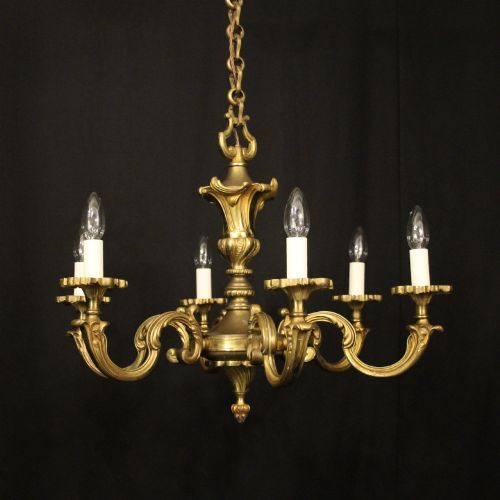
- Mazarin Chandelier
- A formal chandelier type characterised by a sturdy bronze frame and multiple light branches. It reflects disciplined period proportions common in nineteenth-century French lighting.
Bronze Chandelier Light: Frequently Asked Questions
How do I hang a heavy bronze chandelier?
Suspension requires fixing directly into ceiling joists or installing a substantial metal support hook capable of bearing the combined weight of the bronze frame and crystal elements. Professional electrical installation is standard practice for older fixtures.
Wiring should be inspected and adapted to meet modern safety standards while retaining the original aesthetic of the fixture's arms and candle holders.
What is the difference between gilt bronze and ormolu?
Gilt bronze and ormolu both describe bronze objects finished with a gold surface layer, though historical terminology often distinguishes between mercury-gilded pieces and later electroplated versions. Both provide a durable golden lustre that complements cut crystal.
These finishes respond well to gentle dusting, avoiding abrasive cleaners that might strip the historic gilding from the metal surface.
How are different periods identified in these lights?
Nineteenth-century examples frequently display heavy cast bronze construction with Rococo or Empire revival details, while nineteen-twenties pieces often introduce simpler gilt frames or birdcage forms. Art Deco fixtures from the nineteen-thirties are marked by geometric slip shades and distinct modernist silhouettes.
Examining the casting quality, the cut of the crystal, and the fastening methods helps establish the manufacturing era.