



Bronze and Glass Sconces
Bronze and glass sconces bring enduring illumination to walls, combining cast metalwork with refractive panels for classic interior lighting.
Bronze and Glass Sconces
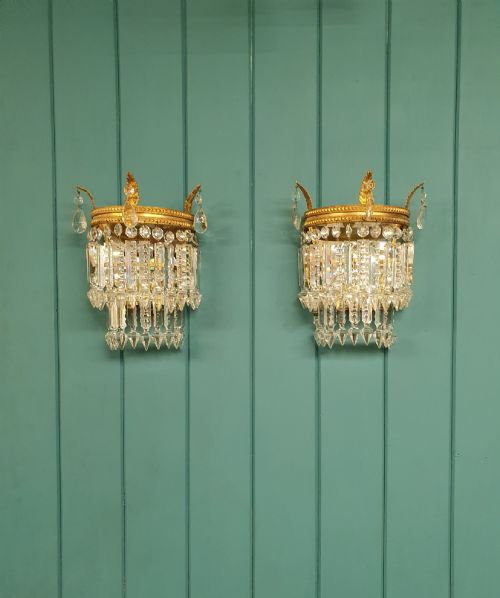
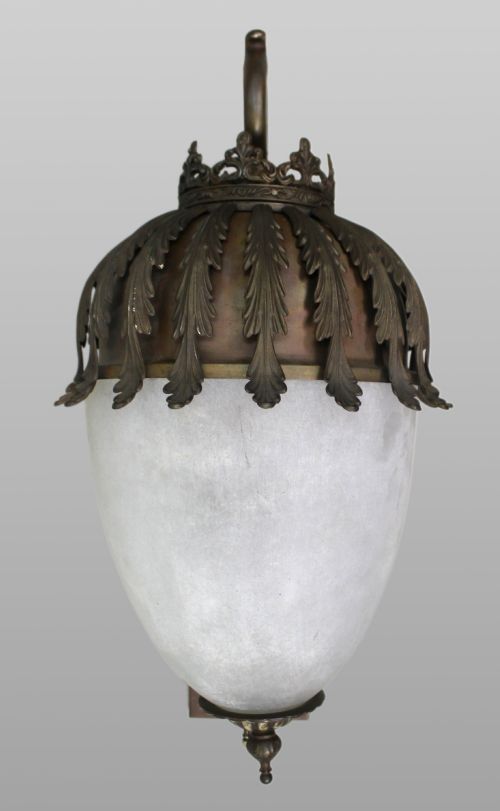
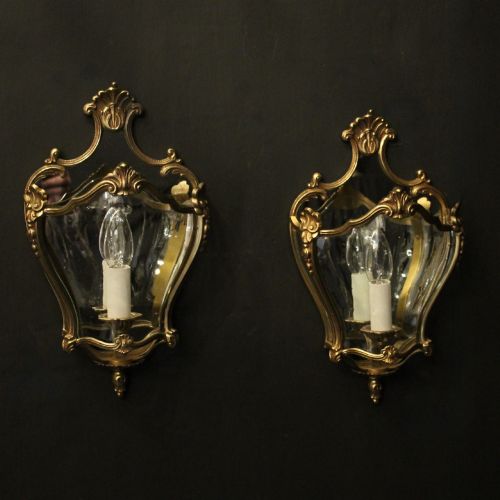
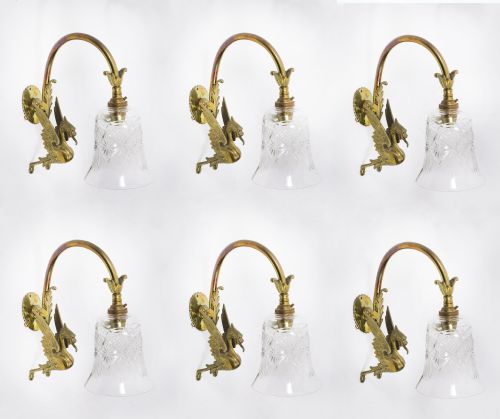
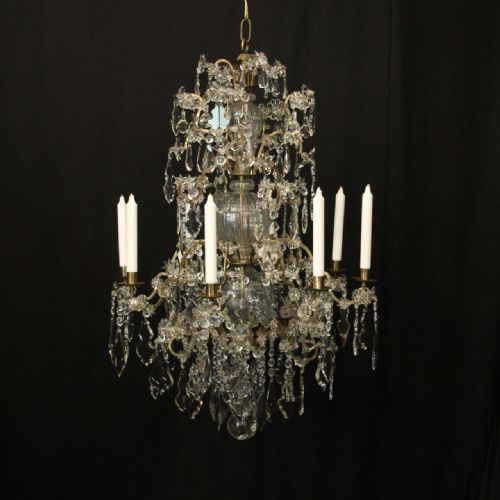
Bronze and glass sconces combine cast metallic frames with transparent, frosted, or cut glass elements to project light across a room. Wall lights and wall lanterns dominate the current selection, alongside occasional chandeliers and girandole mirrors that serve a similar decorative function on vertical surfaces.
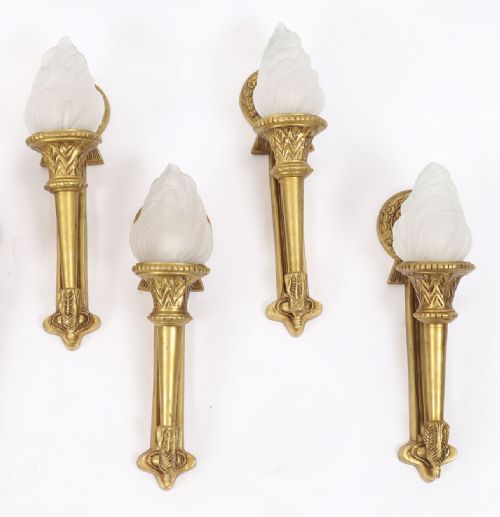
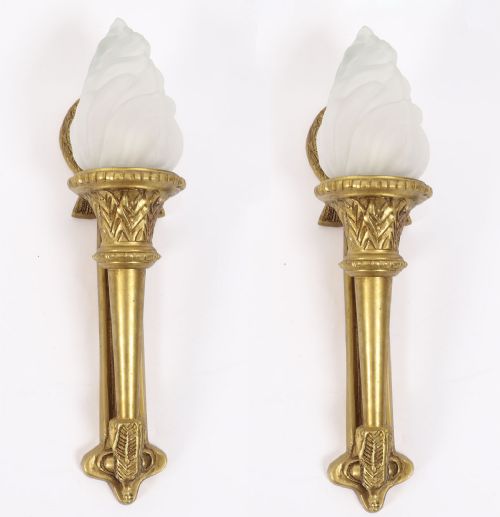
The pieces on this page span from the late nineteenth century into the 1930s, taking forms such as the Art Deco style, Neo-Classical flaming torches, French Rococo, and Arts and Crafts designs. French workshops feature strongly among these origins, often utilising gilt bronze, ormolu, and brass structures paired with crystal or amber frosted glass.
How bronze and glass sconces were made
Maker workshops cast structural components in bronze, brass, or ormolu, employing techniques such as gilding to finish the metal surfaces with a rich lustre. Frames often incorporate classical motifs, cherubs, or geometric lines depending on whether the piece aligns with an Edwardian or 1930s aesthetic.
Glass elements include cut crystal drops, moulded shades, and amber frosted panes designed to diffuse the illumination from candles or early electric fittings. Metal armatures support these glass panels and prisms securely, balancing heavy cast sections against delicate hanging crystals.
Bronze and Glass Sconces Retail Price Guide 2026
Typical asking prices for bronze and glass sconces among the pieces listed under this phrase on Sellingantiques today, from the lower quarter to the upper quarter. They describe what is for sale here now, not the wider market.
The listings on this page span the 19th century through to the 1930s, utilising materials such as bronze, crystal, brass, and frosted glass.
What varies in quality
The precision of the metal casting dictates the crispness of decorative details like acanthus leaves, flaming torches, and figural cherubs. Finer pieces display sharply chased ornamentation and heavier bronze or ormolu gauges rather than lighter brass pressings.
The clarity and cut of the glass components also separate standard examples from superior ones. Hand-cut crystal prisms and heavy frosted panels exhibit greater light refraction and structural weight than simpler moulded alternatives.
The Bronze and Glass Sconces Glossary
- Ormolu
- A technique of applying finely ground high-carat gold to an object of bronze. This mercurial gilding creates a rich metallic finish seen on Neo-Classical wall lights.
- Girandole
- A branched wall light or a mirror with candle holders attached to the frame. These reflective pieces multiply the light within a room.
- Gilding
- The application of a very thin layer of gold or gold-coloured leaf to bronze and brass surfaces. It enhances the decorative appeal of period light fittings.
- Frosted glass
- Glass treated to scatter light, reducing glare and producing a soft glow. It appears frequently in boudoir and Art Deco wall lights from the 1930s.
Bronze and Glass Sconces: Frequently Asked Questions
How do I install antique wall sconces?
Many period wall sconces require professional electrical installation to ensure safe mounting to wall studs and proper wiring connection. Some listings note that pieces have been rewired for modern use, which simplifies fitting them into contemporary domestic spaces.
Positioning depends on ceiling height and room proportions, typically placing them at eye level to frame mirrors, fireplaces, or doorways effectively. Ensuring the wall structure can support the weight of cast bronze and crystal components is essential before securing the backplate.
How do I clean antique glass and bronze?
Cleaning bronze and gilt surfaces requires a soft, dry cloth to remove dust without disturbing the patination or delicate gilding. Water and abrasive cleaners can damage older metallic finishes, so gentle maintenance is best.
Glass shades and crystal drops can often be removed carefully, washed in warm soapy water, and dried thoroughly before reattachment. This restores their original sparkle and refractive clarity without harming the surrounding metal armature.
How do I date a bronze sconce?
Stylistic indicators help assign a period to wall lights, such as the geometric lines of Art Deco pieces from the 1930s or the classical motifs of 19th-century ormolu designs. Examining the casting methods, fixing screws, and wiring holes provides further clues about the manufacturing era.
French pieces from the late 19th and early 20th centuries often bear distinct design traits associated with the Neo-Classical revival or Arts and Crafts movements. Comparing decorative details like cherubs and torch motifs against known period styles clarifies the date of manufacture.