


Bronze and Crystal Fixture
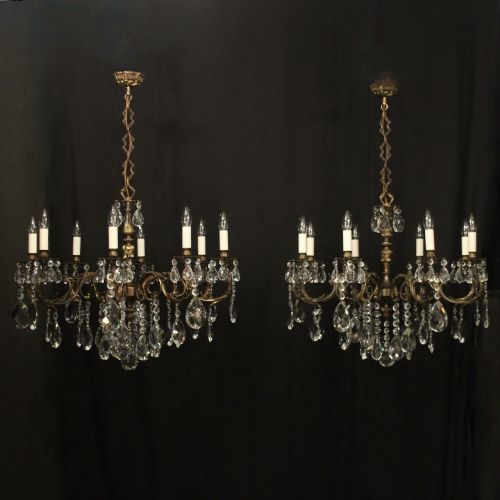
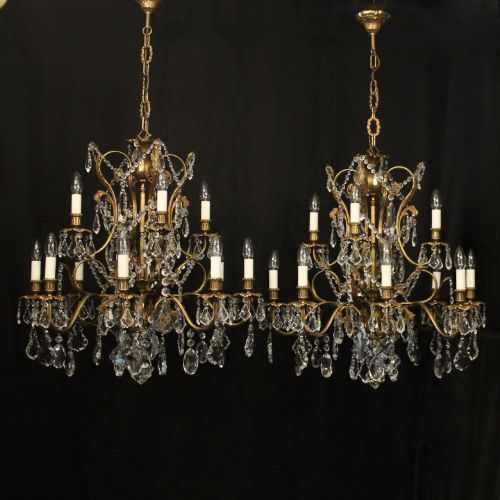
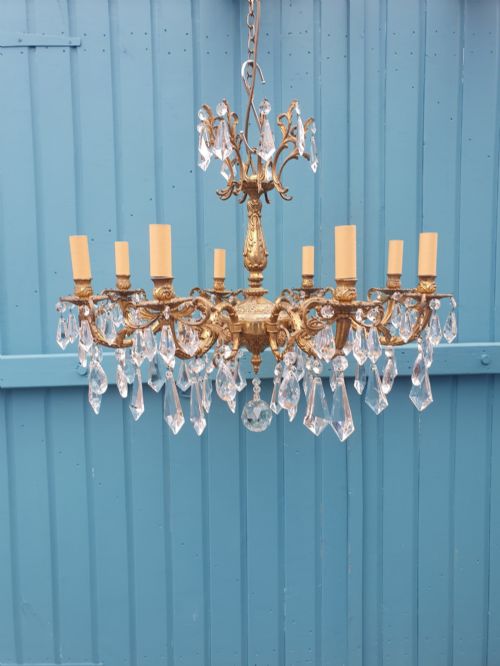
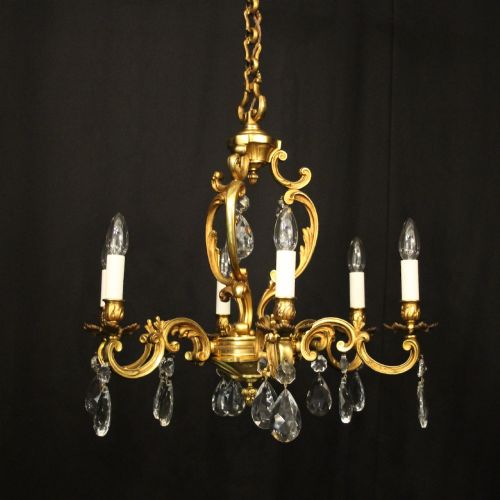
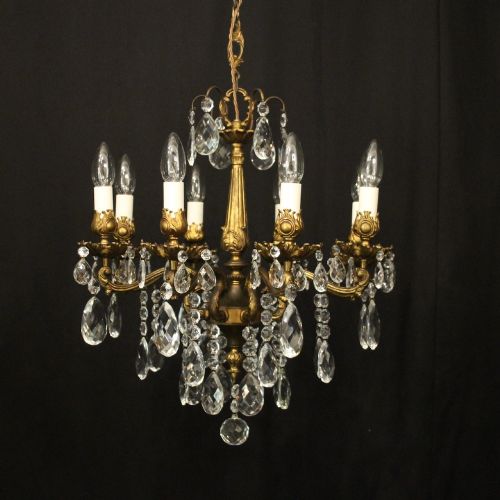
These bronze and crystal fixture designs unite cast metal frames with refractive glass drops to illuminate large spaces with patterned light.
Bronze and Crystal Fixture
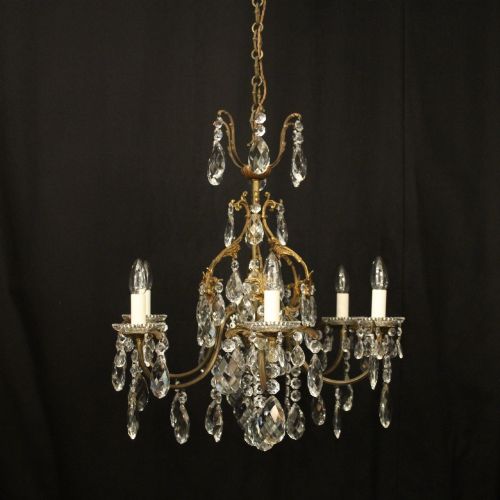
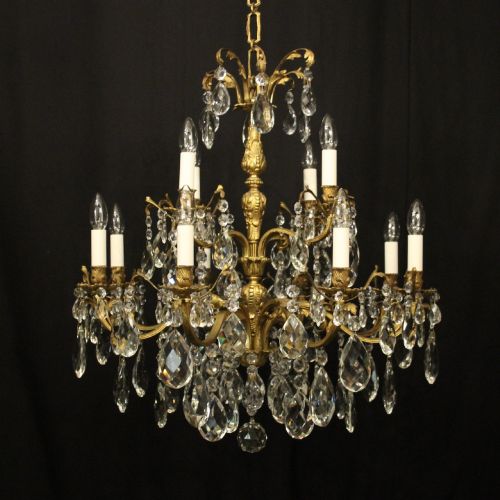
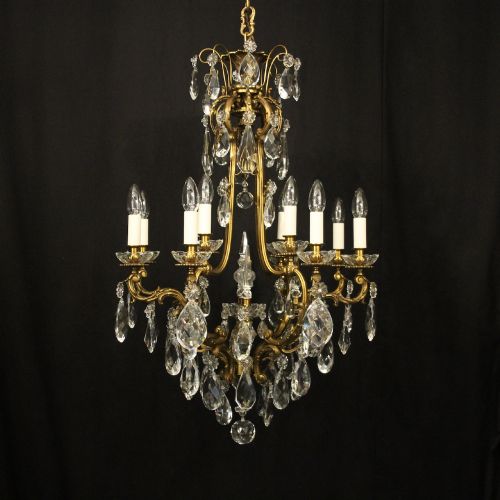
A bronze and crystal fixture primarily takes the form of a chandelier, ceiling light, or pendant light designed to hang centrally in a room. The selection here leans heavily towards French origins, spanning from the nineteenth century through the Edwardian era and into the 1920s and 1930s.
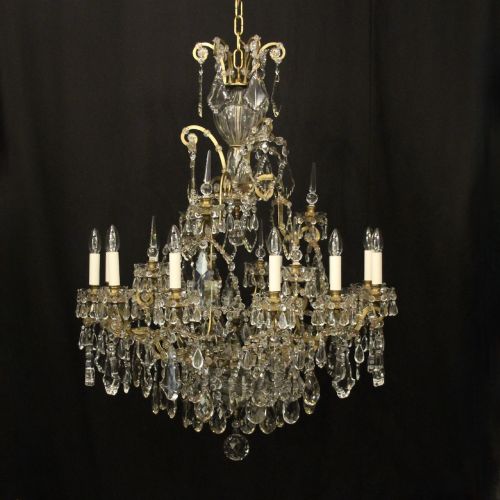
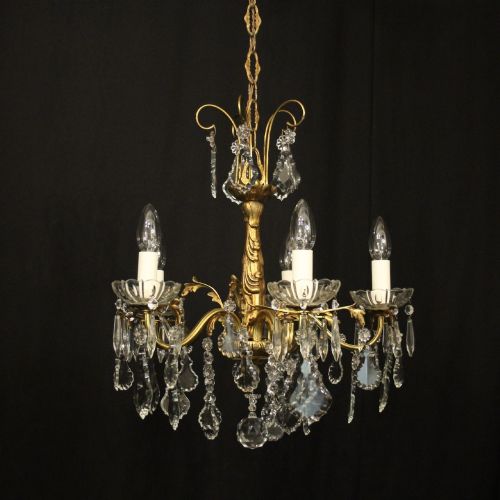
Makers often drew upon historical design idioms such as French Rococo, Empire, and Louis Revival styles. Pieces range from modest three-light configurations up to grand ballroom chandeliers carrying twenty-five lights.
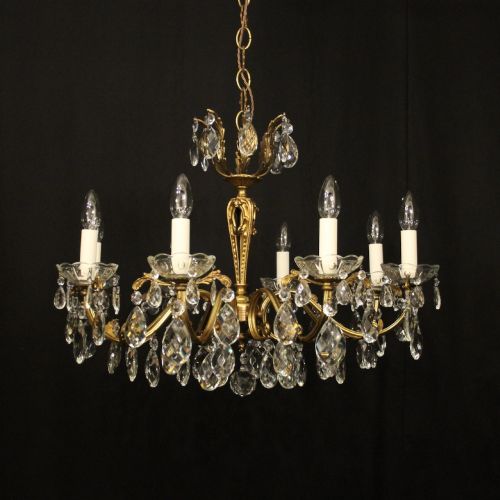
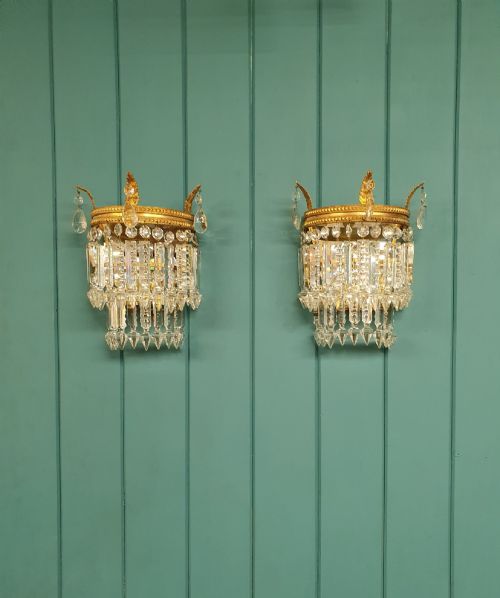
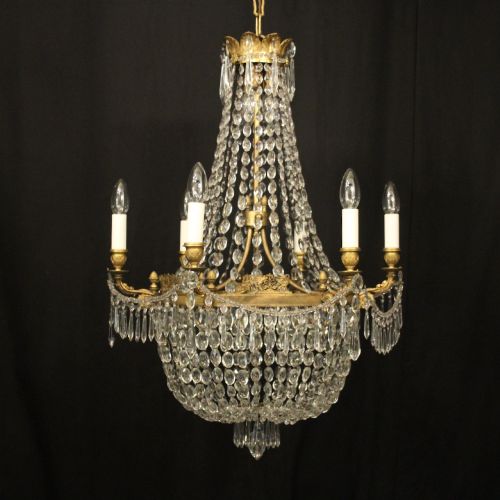
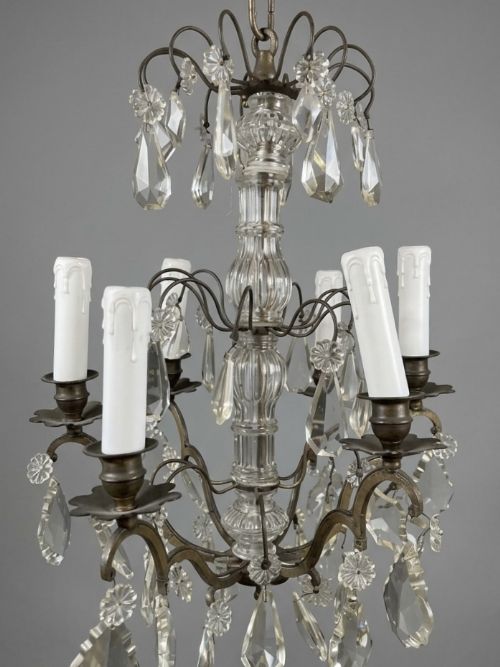
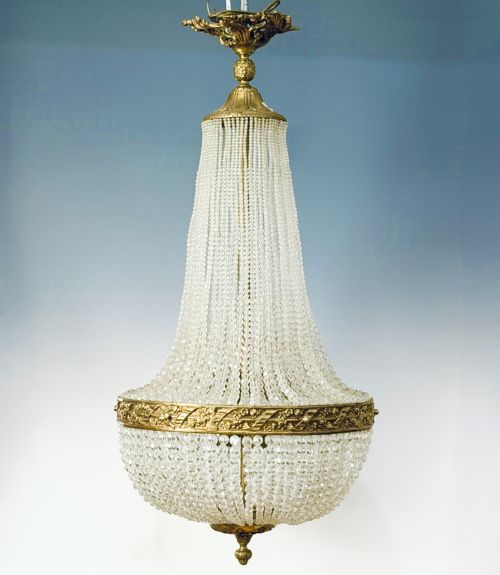
The layout typically involves arms branching from a central stem, dressed extensively with glass drops, beads, and pendants. Tent and waterfall structures appear frequently among these listings, guiding the eye along tiered cascades of crystal.
Materials and Construction
Frames are cast or forged from bronze, brass, or gilt metal, occasionally finished with ormolu or silver gilding. These structural metals provide the necessary strength to support multiple branches and heavy glass weight.
Dangling elements utilise cut crystal, cut glass, and moulded glass drops, sometimes incorporating coloured fruit motifs in amber or mauve. Wire loops and metal pins suspend these glass components from the metal armature.
Bronze and Crystal Fixture Retail Price Guide 2026
Typical asking prices for bronze and crystal fixture among the pieces listed under this phrase on Sellingantiques today, from the lower quarter to the upper quarter. They describe what is for sale here now, not the wider market.
Listings span the nineteenth century through the 1930s, uniting gilt bronze, brass, cut crystal, and glass across French Empire and Rococo styles.
Assessing Quality
The standard of metal chasing and gilding dictates the visual depth of the frame, where crisply cast foliage and figures outshine softer, plain castings. Hand-cut crystal drops display sharper facets and greater light refraction than moulded glass alternatives.
Proportion and structural complexity also divide standard examples from exceptional pieces. Multi-tiered tent and waterfall compositions require meticulous balancing of armature weight and glass distribution to achieve visual harmony.
The Bronze and Crystal Fixture Glossary
- Ormolu
- Gilded bronze produced by applying a finely ground high-carat gold mercury amalgam to a bronze object before heating. This process yields a durable, rich golden surface finish found on finer metalwork.
- Tent and waterfall
- A chandelier configuration featuring an upper canopy of strings of beads forming a tent shape, paired with a lower cascade of drops resembling a waterfall. This design maximises the prismatic display of light.
- Spelter
- An alloy based on zinc, often cast and painted to imitate bronze or brass during the nineteenth and early twentieth centuries. It offers a lighter, more economical alternative to genuine bronze.
- Gilt
- Covered with a thin layer of gold leaf, paint, or gold metal wash applied to wood, metal, or other surfaces. It enhances the decorative presence of the object under ambient lighting.
- Cut crystal
- High-clarity glass containing lead oxide, shaped and faceted by grinding on a wheel to increase brilliance. The sharp cuts interact with light sources to scatter spectral colours.
Bronze and Crystal Fixture: Frequently Asked Questions
How do I clean a bronze and crystal fixture?
Maintenance involves gentle dusting and washing glass elements with a mild soapy solution while they remain attached or after careful removal. Metal frames require soft dry cloths to preserve gilt surfaces without abrasive cleaning agents.
Harsh chemical cleaners strip gold leaf and damage delicate patinas on bronze and brass. Taking time to wipe each drop individually restores maximum sparkle to the glass.
What ceiling height do these fixtures require?
Most multi-armed chandeliers and pendant lights demand substantial clearance to hang properly above floor traffic or furniture. Grand multi-tiered versions suit rooms with lofty proportions, while smaller three-light or single-light variants fit lower ceilings.
Measuring the drop from the ceiling rose to the lowest point of the frame prevents clearance issues in domestic spaces. Suspension chains can often be shortened during installation if needed.
How do I identify French Empire style?
French Empire pieces incorporate neoclassical motifs inspired by ancient Greece and Rome, often utilising strict symmetry and architectural lines. Look for classical urn shapes, laurel wreaths, and tent-and-waterfall crystal arrangements.
Bronze work from this tradition prioritises restrained elegance and formal balance over asymmetrical Rococo curves. Ormolu highlights frequently accent the structural bronze framework.
Are these fixtures wired for modern electricity?
Many antique fixtures arrive adapted for contemporary electrical standards, though rewiring older examples ensures safe operation. Candle tubes and internal channels conceal modern wiring while retaining the historical aesthetic of candle-branch lighting.
Consulting a qualified electrician before installation guarantees compliance with current safety regulations. Low-wattage LED candle bulbs help mimic the warmth of historical lighting.