





British Wildlife Painting
British wildlife painting captures the natural habits and forms of native fauna through traditional media.
British Wildlife Painting
A british wildlife painting depicts animals, birds, and landscapes in their natural habitats across various historical periods. Buyers examining this category encounter works ranging from Victorian sporting art to mid-century naturalism.
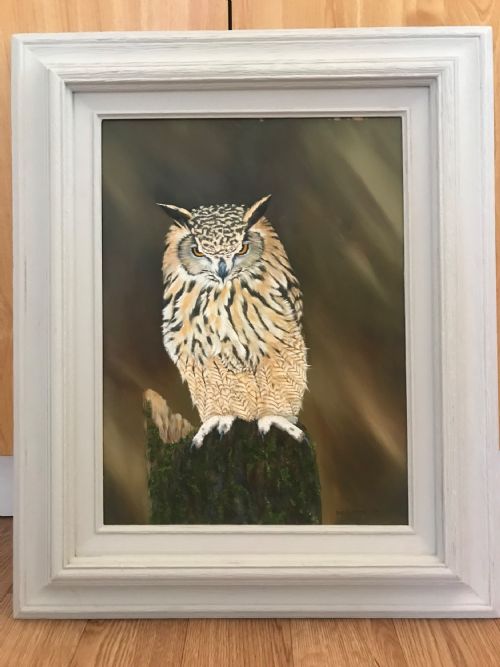
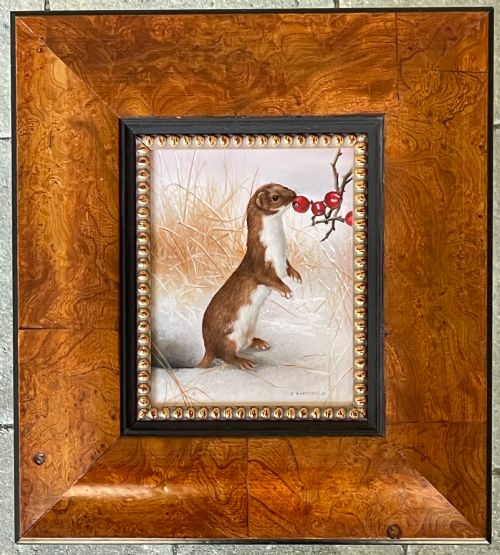
The selection includes detailed studies of birds, deer, and predators rendered by notable artists. These artworks document the changing approaches to natural history representation from the nineteenth century into the mid-twentieth century.
How they were made
Artists employed oil paint on canvas or panel, alongside watercolour and gouache on paper, to capture feather texture and fur detail. Gilding and gold leaf occasionally accent the framing of these traditional works.
Techniques evolved from Victorian descriptive realism toward mid-century interpretations that prioritised form and atmosphere. Pigments were applied to wood, paper, and canvas using brushwork suited to both intimate studies and large landscapes.
British Wildlife Painting Retail Price Guide 2026
Typical asking prices for british wildlife painting among the pieces listed under this phrase on Sellingantiques today, from the lower quarter to the upper quarter. They describe what is for sale here now, not the wider market.
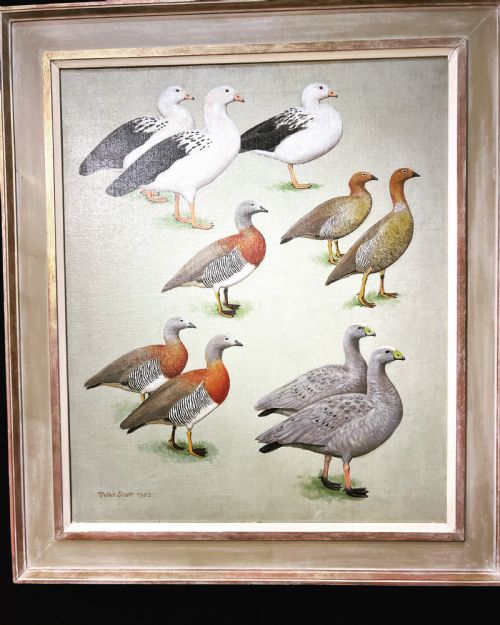
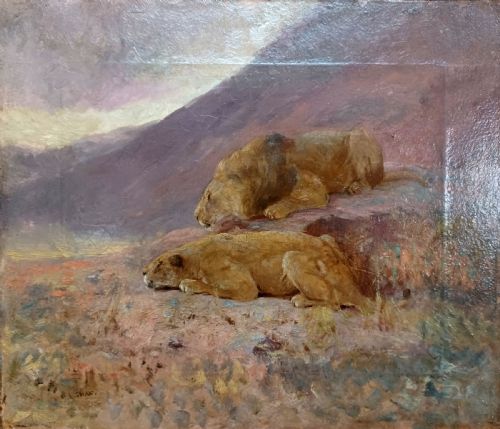
Several pieces record encounters with remarkably determined ducks and watchful leopards.
What varies in quality
Quality rests in the precision of anatomical observation and the handling of light within the natural setting. Works by established painters demonstrate a superior understanding of animal movement and posture compared to lesser contemporary examples.
The preservation of the medium, whether oil paint, pastel, or watercolour, influences the visual impact of the piece. Superior execution is evident when the artist balances the specific details of the subject with the surrounding landscape.
Carl Whitfield·Joseph Knight·Elisabeth Frink·George Armfield·Charles F. Tunnicliffe·Cuthbert Edmund Swan·Thomas Blinks·Arthur Wardle·Godfrey Douglas Giles·Archibald Thorburn·Peter Markham Scott
The British Wildlife Painting Glossary
- Oil painting
- A work created using pigments bound in a drying oil, typically applied to canvas or wood panel. This medium allows for rich colour depth and layered texture.
- Watercolour
- A painting method where water-soluble pigments are applied to paper. It produces transparent washes that capture light effectively.
- Gouache
- An opaque water-based paint often combined with watercolour to create solid areas of colour and sharp detail.
- Naturalism
- An artistic style focused on the realistic and unidealised depiction of the natural world. It relies on direct observation of subjects in their native environments.
- Animalier
- A genre dedicated to the realistic sculpture and painting of animals. Practitioners specialise in capturing muscular structure and behavioral traits.
British Wildlife Painting: Frequently Asked Questions
What periods do these paintings span?
The works stretch from the nineteenth century through the Victorian and Edwardian eras into the mid-twentieth century.
Selections include pieces created during the 1900s, 1920s, and 1950s, reflecting shifts in artistic approaches to nature.
What materials were used?
Artists worked with oil paint on canvas and wood panel, alongside watercolours, pastels, and gouache on paper.
Gilt frames and gold leaf are also present among the materials recorded in the selection.
How do styles differ?
Styles range from Victorian sporting art and animalier studies to mid-century British naturalism and realism.
Earlier works often feature narrative hunting scenes, while later pieces focus on individual bird and animal studies.
How are the works framed?
Many pieces retain period framing, including gilt designs that complement the painting style.
Paintings on panel and canvas are preserved alongside works on paper under glass.