




British Townscape Painting
British townscape painting captures the civic character, industrial streets and familiar architecture of towns and cities across the country.
British Townscape Painting
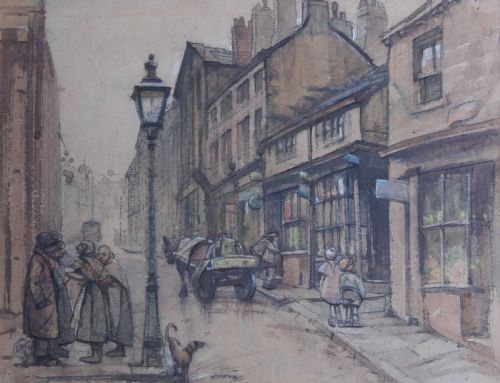
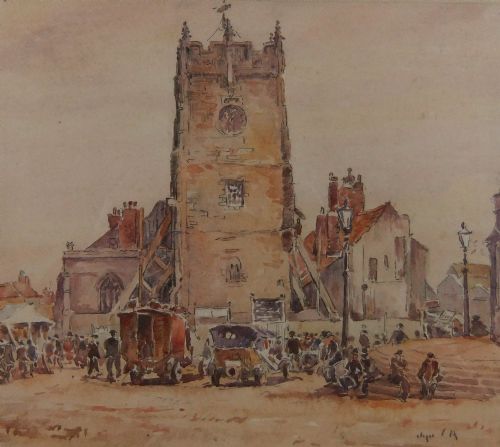
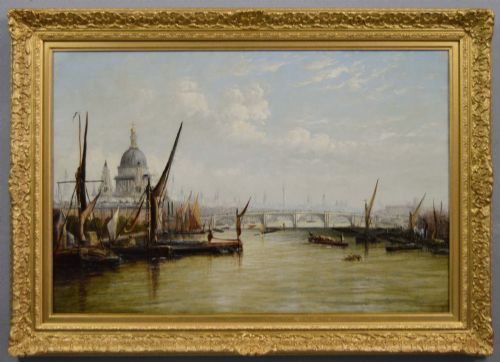
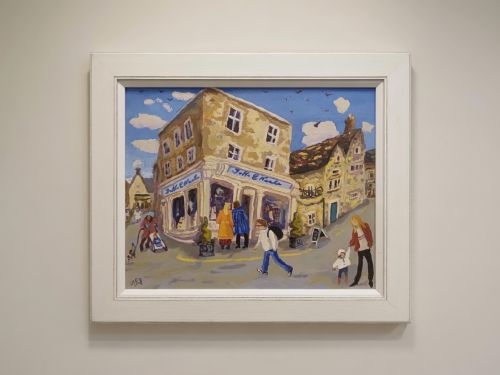
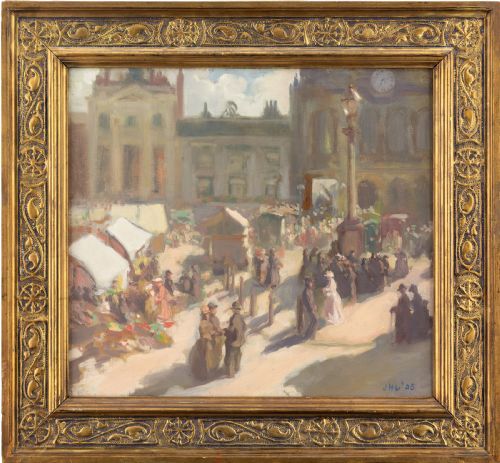
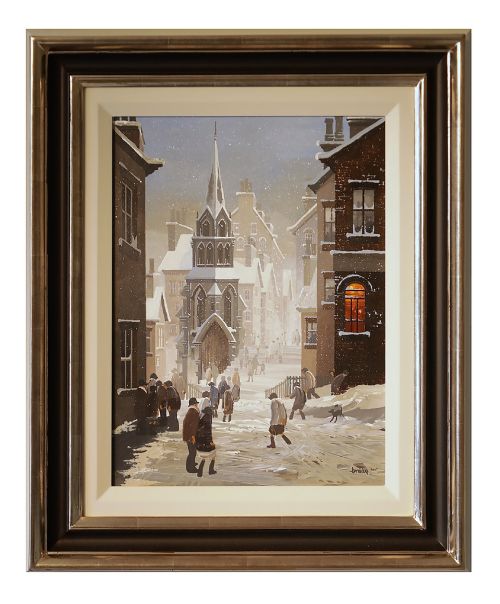
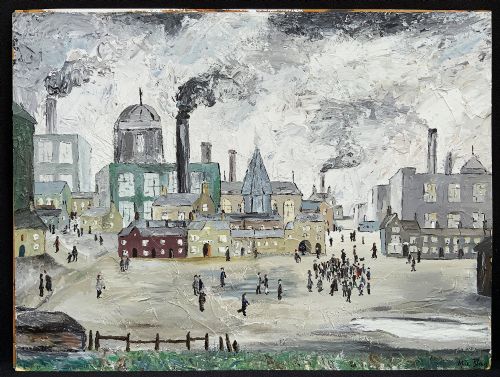
A British townscape painting depicts urban views, market squares, streets and river fronts located across British towns and cities. These works range from Victorian street scenes to twentieth-century industrial watercolours.
The pieces on this page appear in various forms, including framed watercolours on paper and oil paintings on canvas or wood. Many focus on specific named locations such as Whitby, Richmond, Lincoln and Halifax.
The styles span Victorian realism, Edwardian views, British Impressionism and Modern British interpretations. This mix reflects how different generations of artists recorded the changing character of British settlements.
Materials and methods
Artists executed these works primarily using watercolour on paper or oil paint on canvas and wood panels. Ink and glass also appear in the framing and execution of works on paper.
Watercolour paintings rely on fluid washes and ink line work to delineate buildings and street life. Oil paintings utilise heavier pigment application on canvas to build texture in urban architecture and skies.
British Townscape Painting Retail Price Guide 2026
Typical asking prices for british townscape painting among the pieces listed under this phrase on Sellingantiques today, from the lower quarter to the upper quarter. They describe what is for sale here now, not the wider market.
Listings feature works spanning from the nineteenth century through the 1960s, executed in watercolour, oil and ink on paper and canvas.
Assessing quality and execution
Quality rests upon the artist's ability to render perspective, light and atmosphere within a defined urban space. Stronger examples display confident brushwork or precise watercolour control rather than stiff architectural drawing.
The distinction between standard works and superior pieces often lies in the handling of local colour and composition. Works that successfully capture the movement of people and the texture of brick and stone stand out.
Francis Moltino·Lucy Pratt·John Hodgson Lobley·Brian Shields Braaq·Fred Yates·William Manners·Stanley Orchart·John Sanderson Wells·Angus Rands·Walter Emsley·George Willis Pryce·Fred Lawson·Annie L. Lee·Donald Wood·Augustus William Enness·J.D. Walker
The British Townscape Painting Glossary
- Watercolour
- A painting method in which the paints are made of pigments suspended in a water-based solution. It is typically applied to paper to create translucent washes of colour.
- Oil on Canvas
- A technique involving pigments bound in a drying oil applied to stretched fabric. This medium allows for rich colour depth and textured application.
- British Impressionism
- An artistic approach influenced by French movements but adapted by British painters to local light and landscape. It prioritises loose brushwork and everyday subject matter.
- Townscape
- A genre of art depicting urban landscapes, streets, buildings and city views. It forms the urban equivalent of landscape painting.
British Townscape Painting: Frequently Asked Questions
What is a british townscape painting?
A british townscape painting is a work of art depicting streets, markets, rivers and buildings within towns and cities.
These pieces document the changing architecture and daily life of urban environments across different periods.
How should I hang these paintings?
Select wall space away from direct sunlight to protect watercolours and oil pigments from fading over time.
Ensure the room maintains stable humidity levels to preserve both the paper support and the wooden frames.
How do I identify the period?
Examine the materials, framing style, clothing of figures in the street and the artist's signature or recorded dates.
Stylistic markers such as Victorian realism or Modern British abstraction also indicate the era of execution.
Are these works signed?
Many examples feature signatures or initials inscribed by the artist directly onto the paint or paper surface.
Exhibition labels or inscriptions on the reverse of the canvas or frame often provide additional provenance.