

British Silver Napkin Rings
British silver napkin rings bring tactile elegance to the dining table, offering lasting utility and distinct period character.
British Silver Napkin Rings
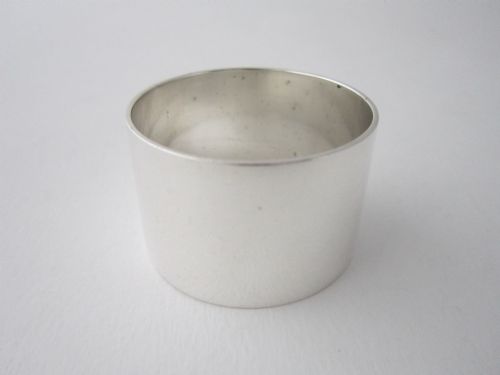
British silver napkin rings are table accessories designed to identify and hold table linen between meals. They appear across multiple eras, including Victorian, Edwardian, George V, and mid-century British periods.
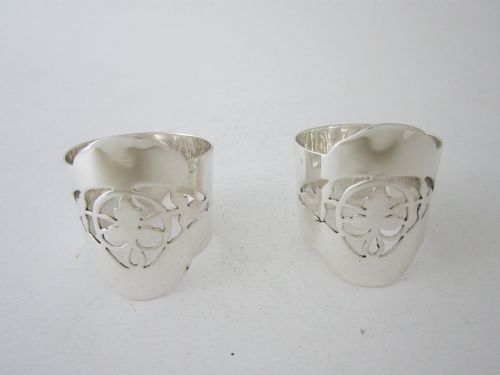
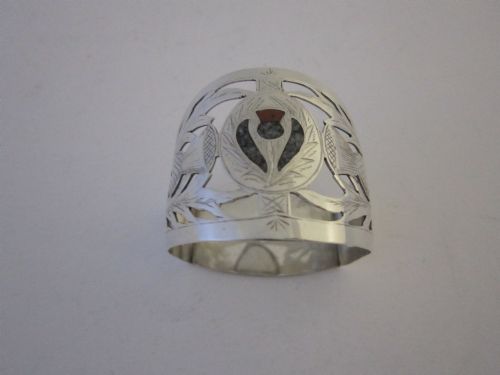
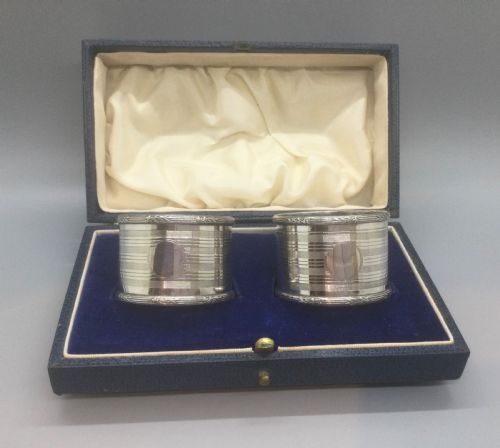
Buyers browsing this selection encounter various forms, such as single heavy rings, matched pairs, novelty items, and pieces accented with agate. The George V era is particularly well represented among current options.
Most examples originate from the early twentieth century, reflecting the craftsmanship of silversmiths working in Birmingham and beyond. These items serve both a practical dining function and a decorative role in table setting.
Materials and manufacture
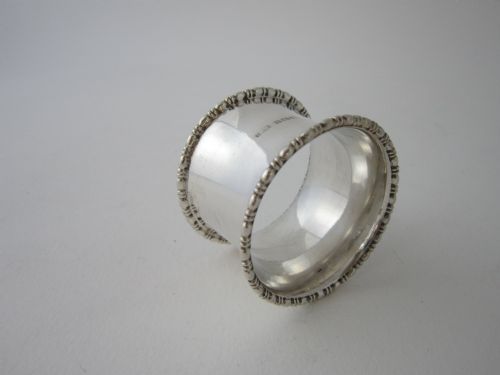
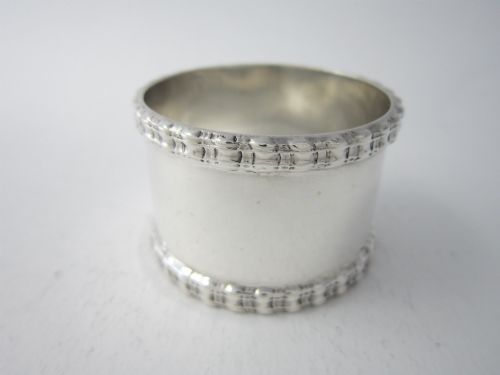
These pieces are fashioned primarily from sterling silver, giving them a durable structure and a polished metallic lustre. Skilled artisans shaped the metal into cylindrical bands, often adding decorative borders or structural weight.
Certain examples incorporate natural agate stone as a decorative inset, contrasting with the polished silver surface. Traditional silversmithing techniques involve hammering, stamping, and joining the metal to create resilient dining wares.
Materials represented across these tableware items include traditional sterling silver alongside natural agate stone accents.
Assessing quality
Quality in these items often rests on the physical heft of the silver and the crispness of the applied decoration. Substantial weight distinguishes sturdier pieces from lighter alternatives.
The integration of secondary materials like agate demonstrates higher ambition in design and execution. Details such as clean hallmarks and precise surface finishing elevate the standing of an individual piece.
R. E. Stone
The British Silver Napkin Rings Glossary
- Sterling silver
- A standard alloy composed of pure silver and other metals to increase durability. This material forms the primary body of the items found here.
- Hallmark
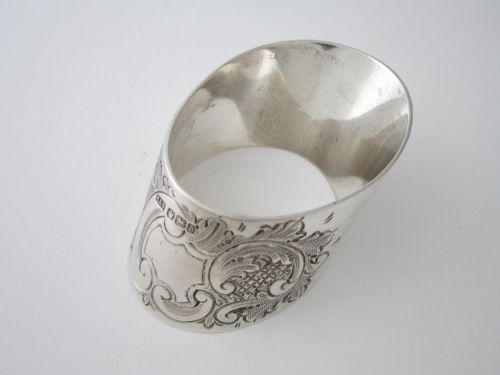
- An official stamp indicating metal purity and origin. These marks help verify the period and location of manufacture.
- Novelty napkin ring
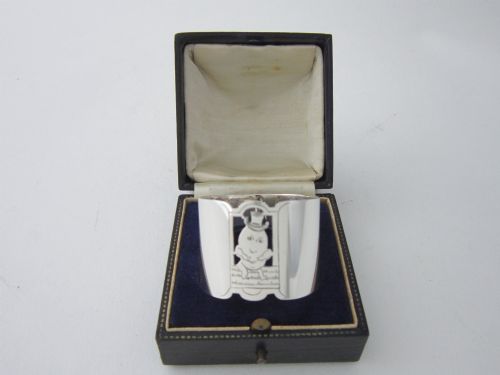
- A shaped or figurative table ring departing from the standard plain band. Examples include imaginative sculptural designs.
- Agate
- A form of chalcedony quartz used as an ornamental stone inset. It provides contrasting colour and texture against the polished metal.
British Silver Napkin Rings: Frequently Asked Questions
How were silver napkin rings used?
These rings were assigned to individual family members or guests in large households to keep linen clean between laundering.
They remained on the dining table or were stored in fitted boxes until the next meal.
How do I clean sterling silver?
Maintenance involves gentle wiping with a specialised microfibre polishing cloth to remove tarnish without scratching.
Avoid harsh chemical dips that can strip away desirable surface patination accumulated over decades.
Are these items suitable for daily dining?
Sterling silver is durable enough for regular household use provided it is washed by hand and dried promptly.
Sturdy construction from periods like the George V era makes them resilient daily companions.
How can I tell the period apart?
Stylistic cues and official hallmarks provide the primary indicators for dating an antique piece.
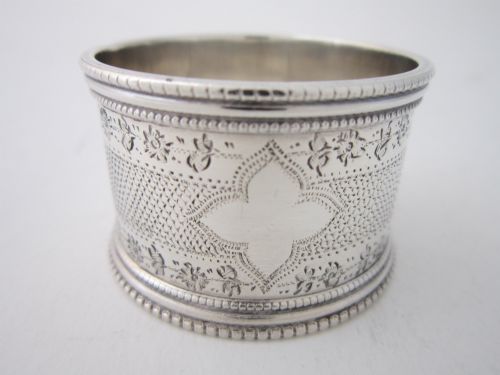
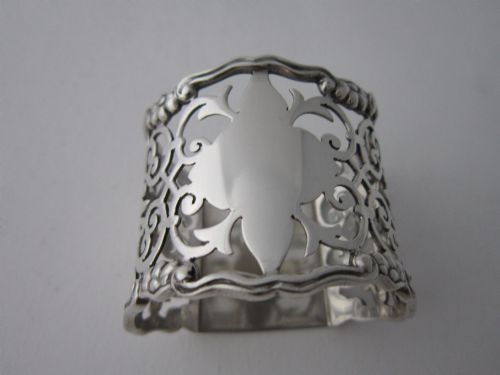
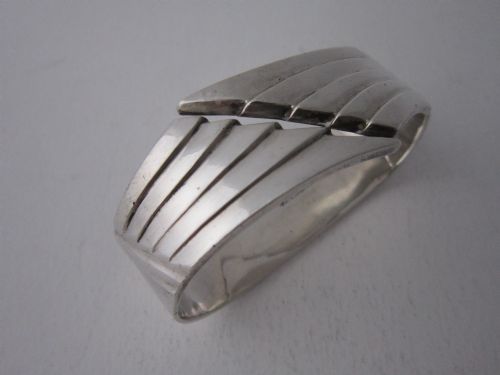
Victorian and Edwardian designs often feature ornate floral engraving, whereas mid-century examples lean towards cleaner modernist lines.