


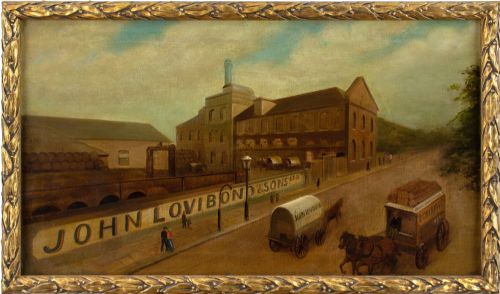


British School Drawing
A british school drawing captures the quiet eye of domestic and regional artists across centuries, offering intimate studies on paper for any serious collector.
British School Drawing
A british school drawing encompasses works on paper ranging from the eighteenth century through the twentieth century, capturing landscapes, figures, and architectural studies. Buyers encounter delicate pencil works, ink sketches, and pastels that reflect the shifting aesthetic movements of their respective periods.
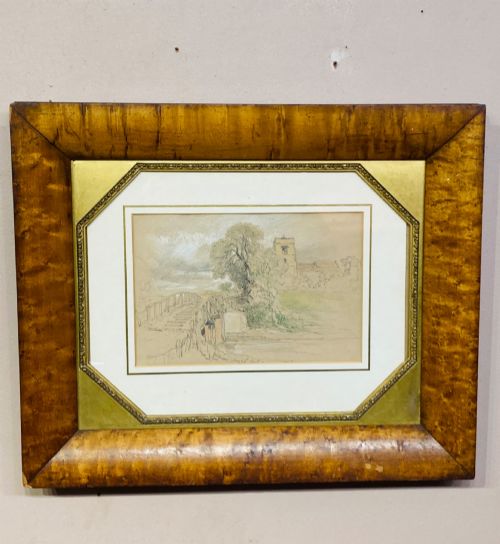
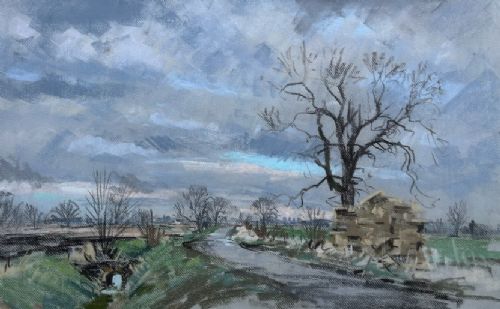
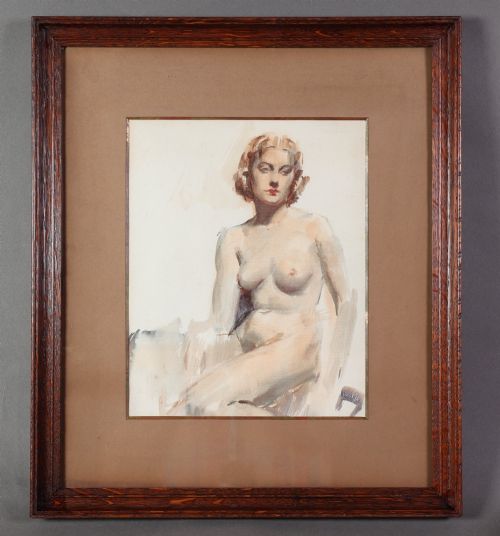
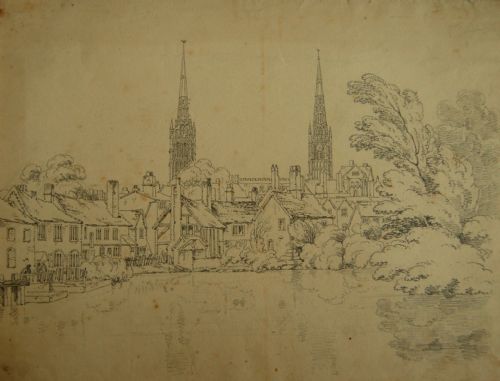
The selection on this page stretches from Georgian and Regency examples to mid-century modernist explorations. You find topographical watercolours alongside intimate portraits and landscape studies, demonstrating the broad scope of draftsmanship within the tradition.
Materials and Technique
Artists relied primarily on paper supports, applying ink, graphite, watercolour, and pastel to build form and tone. These foundational media allowed for both rapid plein-air sketching and careful studio compositions.
Framing often involves wood or oak surrounds beneath glass, protecting the delicate pigments and paper surfaces from environmental degradation over the decades.
British School Drawing Retail Price Guide 2026
Typical asking prices for british school drawing among the pieces listed under this phrase on Sellingantiques today, from the lower quarter to the upper quarter. They describe what is for sale here now, not the wider market.
Represented styles include Georgian, Regency, Norwich School, and Mid-Century Modern.
Evaluating Quality
Quality rests in the surety of the line and the economy of the mark, distinguishing confident studio hands from hesitant amateur attempts. Stronger examples display a clear command of tone and perspective that brings immediacy to the subject.
The condition of the paper surface and the stability of watercolours or pastels heavily influence the desirability of a piece. Well-preserved sheets retain their original contrast without excessive fading or harmful discoloration.
Angus Rands·Adrian Heath·John Hoppner·Fred Lawson·Amos Green·Henry Edridge·John Thirtle·John Joseph Cotman·Thomas Monro·George Richmond
The British School Drawing Glossary
- Watercolour
- A paint consisting of pigment suspended in a water-soluble vehicle. It provides translucent washes that define light and shadow on paper.
- Pastel
- A art medium in the form of a stick, consisting of powdered pigment and a binder. It delivers rich, velvety colour directly to the drawing surface.
- Regency
- A British historical period spanning the early nineteenth century. Works from this era often feature refined classical proportions and crisp draftsmanship.
- Norwich School
- A regional movement of artists inspired by the Norfolk landscape. Members excelled in naturalistic watercolour and oil painting.
British School Drawing: Frequently Asked Questions
What defines a british school drawing?
These works represent creations by artists trained or working within Britain across various historical periods. They emphasise traditional draftsmanship on paper.
Subjects range from local landscapes and townscapes to portraiture and figure studies, reflecting the domestic concerns of their eras.
How should I display drawings on paper?
Paper works require protection from direct sunlight to prevent the fading of inks and watercolours. Framing with UV-filtering glass ensures longevity.
Keep them away from damp environments such as kitchens or unheated spaces to protect the paper and wooden frames.
How do I identify the period of a drawing?
Clues lie in the paper type, framing materials, and stylistic conventions of the handwriting or signature. Regency and Georgian works often use laid paper and muted earth palettes.
Mid-century pieces introduce bolder abstractions and modern studio portfolios, shifting away from strict topographical realism.
Are these works original or printed?
The pieces listed are unique, hand-drawn or painted originals created directly by the artist rather than mass-produced reproductions.
Close inspection under magnification reveals brush strokes, pencil indentations, and the texture of the pigment on paper.