



British Military Leather
British military leather pieces span centuries of service gear and campaign equipment, offering rugged utility and historic character that collectors prize for display.
British Military Leather
When searching for british military leather, buyers encounter functional campaign equipment, straps, and protective gear spanning from the nineteenth century into the mid-twentieth century. The selection ranges from nineteenth-century campaign chair components and equipment straps to the sturdy accoutrements of two world wars.
Most pieces met in this category reflect utilitarian service, built to withstand the rigours of active deployment across the British Empire. They represent both personal officer equipment and general service gear, employing robust hides tailored for longevity.
How they were made
Makers utilised thick vegetable-tanned leather combined with structural brass and steel fittings to ensure endurance under field conditions. Stitching was executed with heavy waxed thread, providing the necessary tensile strength for campaign use.
Metal components such as hooks and buckles were integrated directly into the hide through riveting or heavy stitching. This combination of durable leather and rigid metal defined standard military manufacturing standards across the Victorian era and the world wars.
British Military Leather Retail Price Guide 2026
Typical asking prices for british military leather among the pieces listed under this phrase on Sellingantiques today, from the lower quarter to the upper quarter. They describe what is for sale here now, not the wider market.
Materials appearing alongside leather include brass, steel, ivory, glass, and iron across various equipment forms.
What varies in quality
The distinction between standard service issue and private purchase officer equipment dictates much of the variation observed in these pieces. Private purchase items often display finer finishing and superior leather selection compared to mass-produced government stock.
Preservation of the original hide and the integrity of associated metal hardware determine the standing of individual pieces. Well-maintained leather retaining its suppleness and original colour commands greater attention than dry or heavily cracked examples.
French Ltd·E Thurkle·H Wilkinson·Ross of London
The British Military Leather Glossary
- Campaign chair
- A portable, folding seat designed for officers on military campaign. These pieces utilised leather slings and adjustable frames for ease of transport.
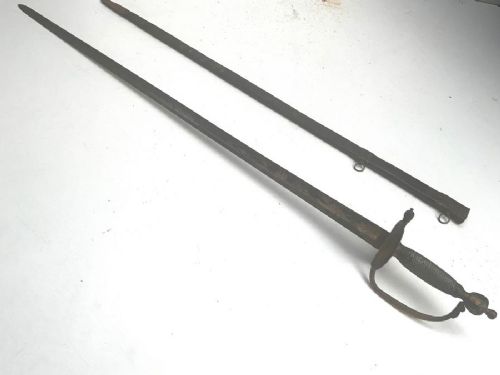
- Spadroon
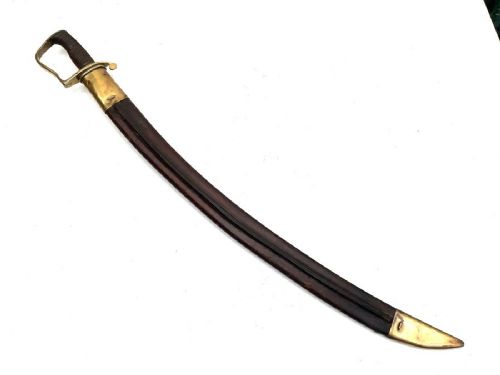
- A lightweight, straight-bladed cutting and thrusting sword used by British officers. They often featured specialised grip materials and leather-bound scabbards.
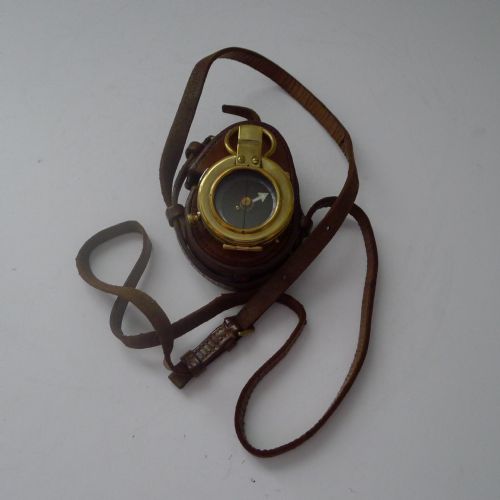
- Verner's pattern
- A standard military pocket compass design utilised by British Army officers during the First World War. These instruments were housed in protective leather or metal cases.
- Bayonet
- A solid blade designed to fit onto the muzzle of a rifle for close combat. Many examples utilised leather frogs and scabbards for secure belt carriage.
British Military Leather: Frequently Asked Questions
How do I care for antique leather?
Maintain historical leather by keeping it away from direct sunlight and extreme humidity. Regular dusting with a soft cloth preserves the dry surface without risking moisture damage.
Avoid modern chemical conditioners unless specifically advised by a conservator. Allowing the natural patina to remain safeguards the historic character of the piece.
Were these items used in combat?
Many items reflect active service deployment across various global campaigns and world wars. Their design prioritized functional reliability over decorative appeal.
Service wear provides tangible evidence of their operational history. Such marks indicate practical utility rather than mere storage.
How do I date military leather?
Dating relies on associated brass stamps, maker marks, and structural design patterns. Comparative analysis with dated edged weapons or campaign equipment helps narrow the timeframe.
Changes in military regulations often dictate specific hardware modifications over time. These shifts offer reliable chronological markers for collectors.
What is campaign furniture?
Campaign furniture encompasses portable items designed to fold or dismantle for transport by officers on the move. Leather components served as flexible seats, straps, and suspension hinges.
These pieces combined domestic comfort with rugged field durability. Their clever engineering remains a primary draw for modern interiors.