

British Hallmarked Ring
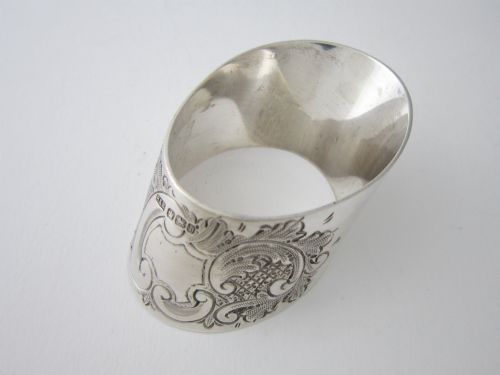
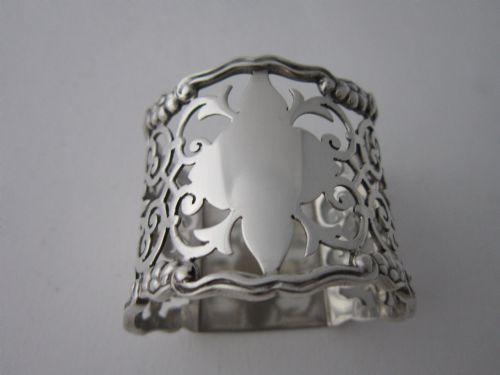
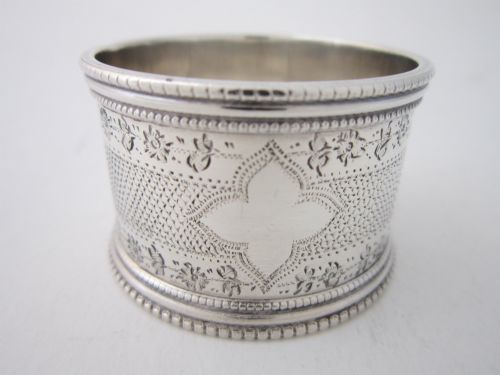
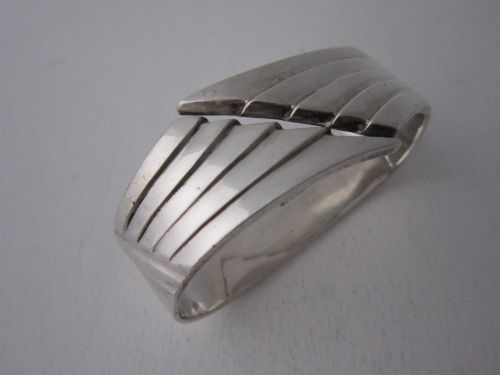
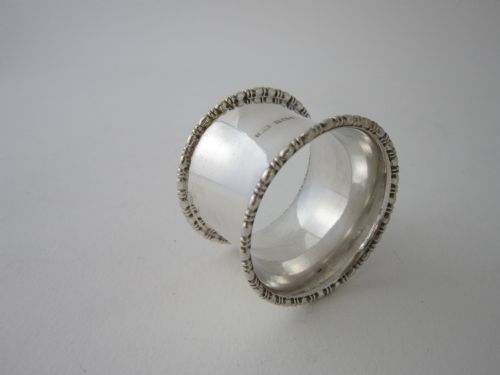
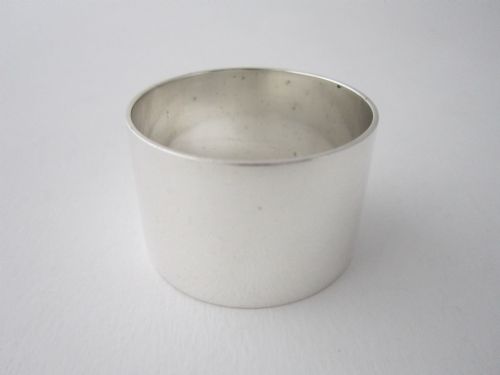
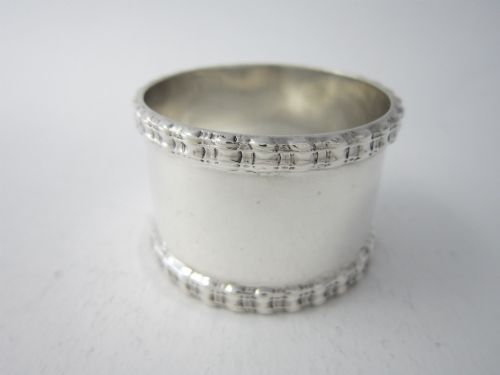
These pieces of british hallmarked ring comprise solid silver napkin bands and gold finger jewellery carrying official assay stamps.
British Hallmarked Ring
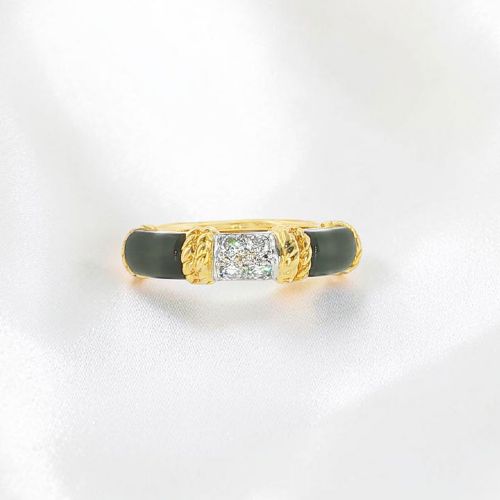
Most examples originate from the George V, Edwardian, and Victorian eras, though later twentieth century modernist pieces and mid-century designs also appear. Buyers encounter sterling silver table accessories alongside 9ct and 18ct yellow gold rings set with diamonds, agate, and black onyx.
How they were made
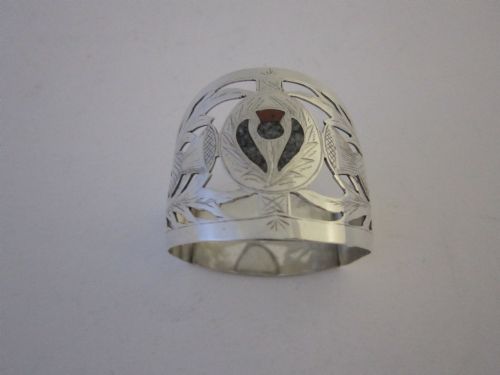
Silversmiths utilised heavy sterling silver to form circular napkin bands, frequently incorporating decorative agate stones into the metalwork. Goldsmiths shaped 9ct and 18ct yellow gold into stacking rings and wedding bands, occasionally mounting diamonds and black onyx.
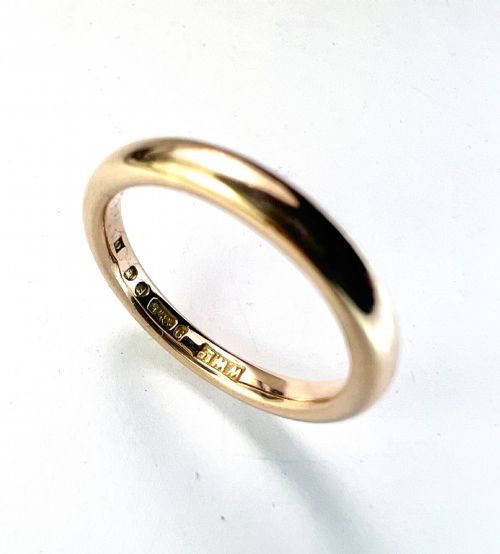
Makers stamped each piece with official hallmarks at assay offices such as Birmingham and London to certify the metal standard and year of production.
British Hallmarked Ring Retail Price Guide 2026
Typical asking prices for british hallmarked ring among the pieces listed under this phrase on Sellingantiques today, from the lower quarter to the upper quarter. They describe what is for sale here now, not the wider market.
The listings span periods from the Victorian era through to 1970s modernist styles, utilising sterling silver, gold, agate, and diamonds.
What varies in quality
The distinction between standard items and superior examples lies in the weight of the metal and the presence of notable maker marks. Heavier silver napkin rings and signed designer gold pieces command greater interest.
The inclusion of gemstones like diamonds, agate, and black onyx alters the character of the piece, alongside the clarity and completeness of the official assay stamps.
R. E. Stone·Kutchinsky
The British Hallmarked Ring Glossary
- Hallmark
- An official stamp applied to precious metals indicating the purity, origin, and year of manufacture. These marks provide the definitive history of the object.
- Sterling silver
- A silver alloy containing 92.5 percent pure silver and 7.5 percent other metals, usually copper, chosen for durability.
- Agate
- A crystalline variety of quartz used in jewellery and decorative items for its natural banded patterns.
- Stamping
- The mechanical process of impressing designs or assay marks directly into the metal surface.
British Hallmarked Ring: Frequently Asked Questions
What is a british hallmarked ring?
A british hallmarked ring refers to precious metal items bearing official assay office stamps. The selection includes both finger bands and table napkin rings.
These pieces carry documentary evidence of their metal purity and creation date through stamped symbols.
How do I identify the date?
Assay offices stamped specific letter codes onto the metal to indicate the precise year of manufacture. Comparing these marks with official records reveals the date.
Styles ranging from Victorian heavy silver to 1970s modernist gold also provide stylistic clues to the period.
Are napkin rings considered jewellery?
Napkin rings form a distinct category of table silver rather than personal adornment. They serve to identify table settings during formal meals.
Despite their different function, they share the same precious metals and hallmark standards as finger rings.
What metals are used?
The selection consists primarily of sterling silver alongside 9ct and 18ct yellow gold. These durable metals sustained decades of daily use.
Certain pieces incorporate additional materials such as diamonds, agate, and black onyx for decorative effect.