





British Seating
British antique seating brings together practical furniture and portrait oil paintings from past centuries for any room.
British Seating
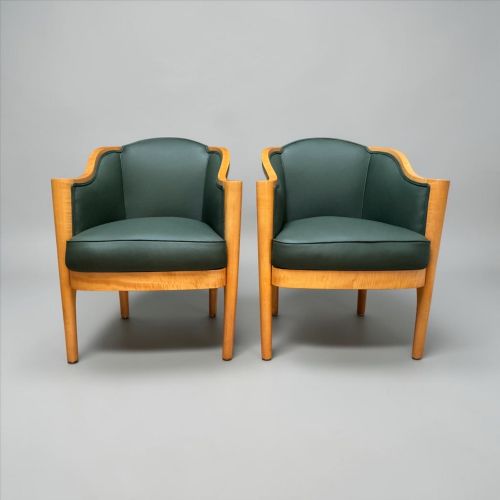
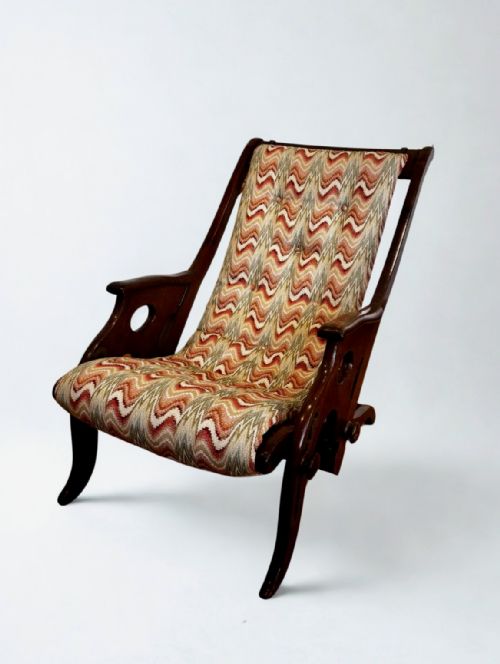
British antique seating covers both physical chairs and historical oil paintings depicting seated subjects. The physical chairs range from Windsor kitchen chairs with penny seats to elaborate campaign armchairs, reclining plantation chairs, and Art Deco armchairs.
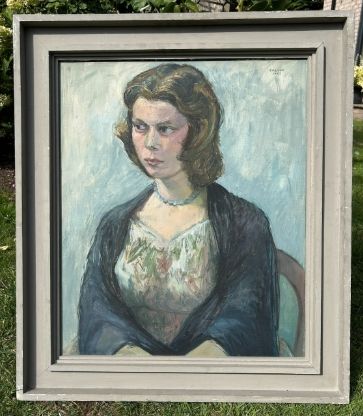
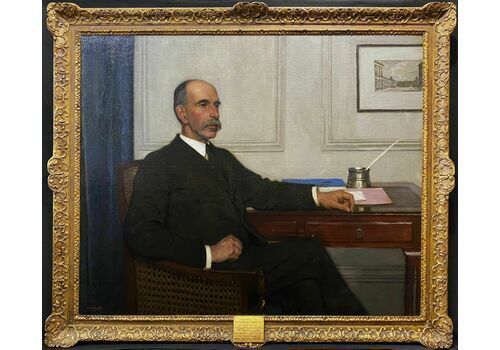
The painted examples show figures seated in various settings, captured by portraitists across the eighteenth, nineteenth, and twentieth centuries. These artworks record the subjects sitting down, creating a direct visual link to past periods.
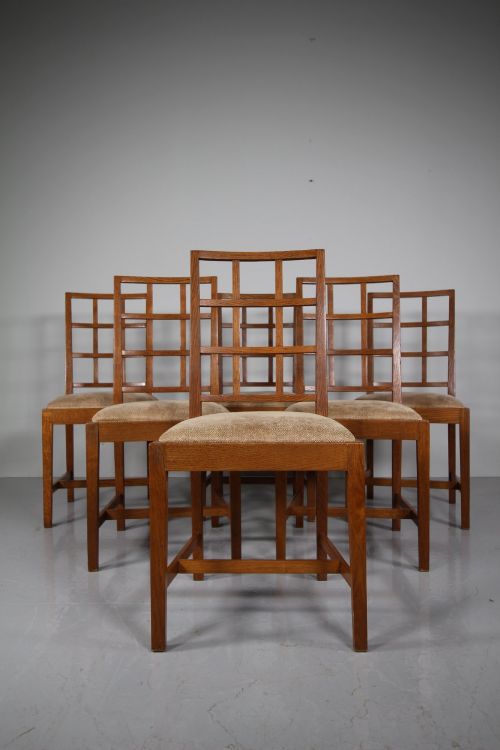
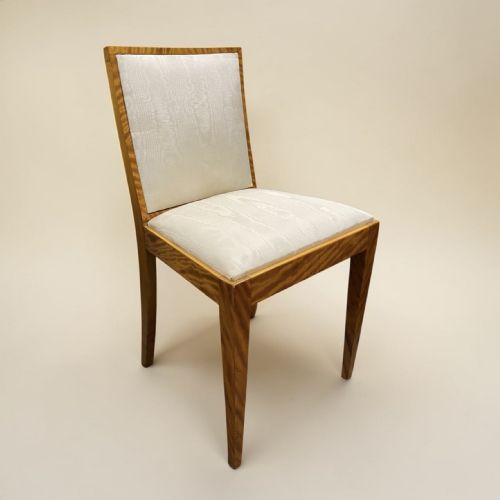
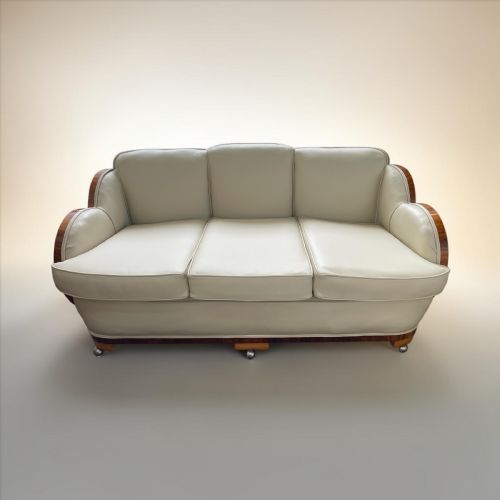
Buyers exploring british antique seating encounter Regency dining sets, colonial suites in padauk wood, and bedroom chairs from the Edwardian and Art Deco eras. Each piece reflects the functional requirements and domestic styles of its original period.
Materials and Construction
Makers utilised solid timbers including rosewood, padauk wood, and standard woods for structural chair frames. Cane seating and turned components appeared in dining chairs, while campaign furniture incorporated adjustable mechanisms for travel.
Painted works were produced using oil on canvas, oil paint, and oil on board. These canvases employed traditional stretches and frames, sometimes gilt, capturing subjects in fine detail through the nineteenth and twentieth centuries.
British Seating Retail Price Guide 2026
Typical asking prices for british seating among the pieces listed under this phrase on Sellingantiques today, from the lower quarter to the upper quarter. They describe what is for sale here now, not the wider market.
One young girl shares her portrait seating arrangement with a tiger cowrie shell on the table.
Distinctions in Quality
Quality rests in the integrity of the timber joinery, the execution of carved or simulated rosewood details, and the preservation of original mechanisms in adjustable campaign pieces. Finer chairs retain their structural rigidity and authentic cane or solid seats.
In painted works, quality is found in the brushwork, the depth of the oil pigments on canvas, and the historical documentation of the sitter. Works attributed to named artists or established workshops demonstrate superior technical execution.
Bath Cabinet Makers·Hary and Lou Epstein·Gillows·B. North and Son
The British Seating Glossary
- Campaign chair
- Portable furniture designed for military officers on active service during the nineteenth century. These pieces often fold or feature adjustable parts for transport.
- Windsor chair
- A wooden chair constructed with a solid saddle-sculpted seat into which the legs and back spindles are wedged directly. They often feature simple penny seats.
- Padauk wood
- A heavy tropical hardwood native to Asia, utilised in colonial furniture for its rich colour and durability. It withstands humid climates well.
- Oil on canvas
- A painting medium where pigment suspended in drying oil is applied to stretched woven fabric. This technique allowed artists to achieve rich tonal gradation.
- Regency style
- The neoclassical British design aesthetic spanning the early nineteenth century. It draws inspiration from classical Greek, Roman, and Egyptian motifs.
British Seating: Frequently Asked Questions
What is a campaign armchair?
A campaign armchair is a portable piece built for military officers on the move during the nineteenth century. These chairs often include clever folding designs or adjustable reclining backs.
Constructed from solid woods like rosewood, they combined field utility with domestic comfort for officers travelling abroad.
How do I identify a Windsor kitchen chair?
Windsor kitchen chairs feature a distinctive thick wooden seat, often called a penny seat, into which the legs and back spindles are bored directly. They rely on traditional stick-back construction rather than a standard frame.
Originating in rural workshops, these nineteenth-century chairs prioritize sturdiness and straightforward utility.
Where were Coronation stools made?
Specific commemorative seating, such as the King George VI Coronation stool, was produced by workshops like B. North and Son located in West Wycombe. These pieces were manufactured for royal events.
They carry specific historical provenance tied directly to national ceremonies of the twentieth century.
What defines Art Deco armchairs?
Art Deco armchairs from the 1930s exhibit streamlined geometric forms and polished surfaces produced by makers such as Bath Cabinet Makers or Hary and Lou Epstein. They break away from ornate Victorian styling.
These chairs use modernist shapes suited to twentieth-century domestic interiors.
What subjects appear in the portrait paintings?
The oil paintings depict notable figures, geologists, writers, editors, and young subjects seated in various landscapes or interiors. Artists such as Harold Knight RA and Arthur Spooner captured these likenesses.
These artworks record the clothing, posture, and social standing of sitters from the eighteenth century through to the mid-twentieth century.