

British Ring
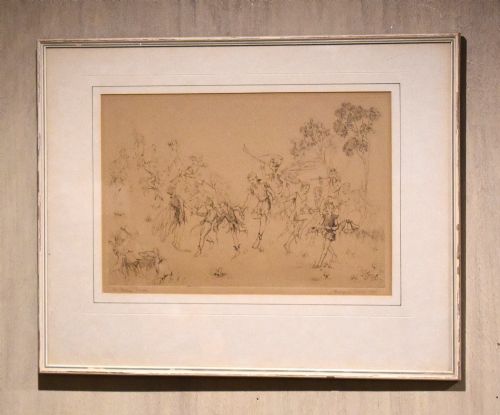
These British antique ring selections span sterling silver napkin rings, 18ct gold gemstone pieces, and framed prints, offering tangible history for daily use.
British Ring
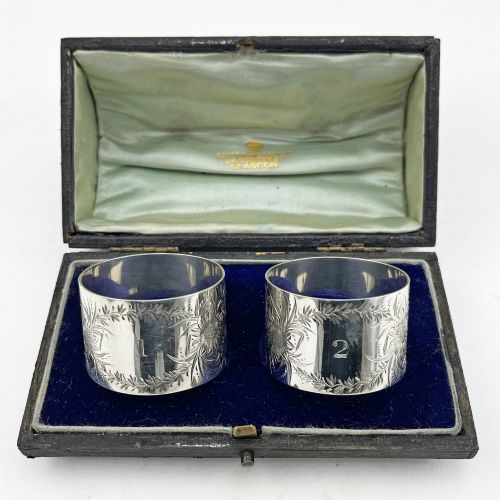
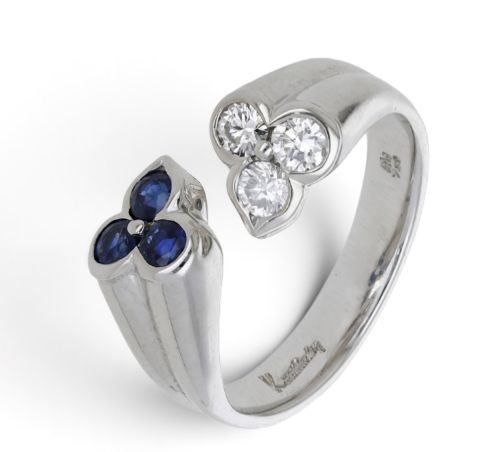
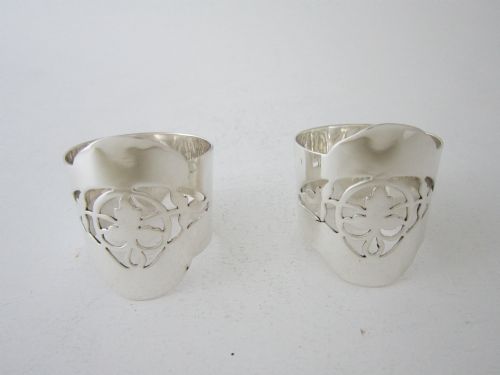
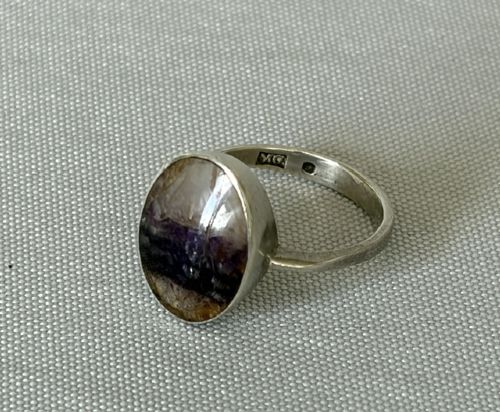
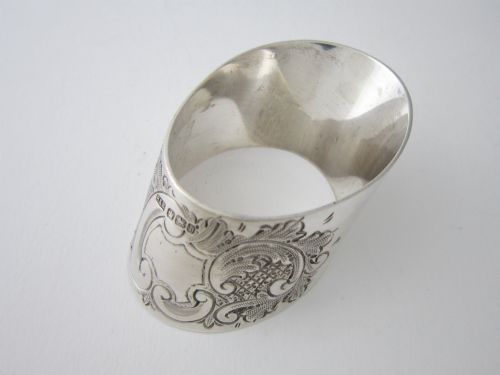
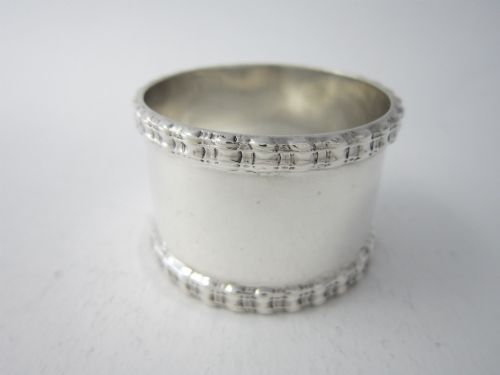
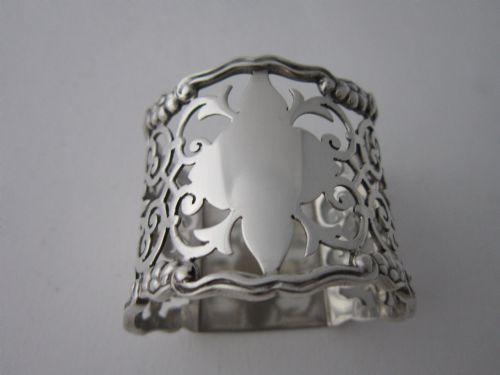
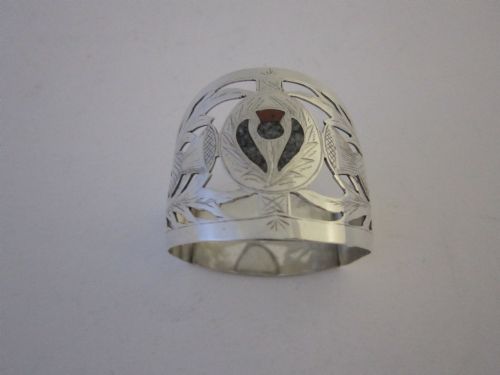
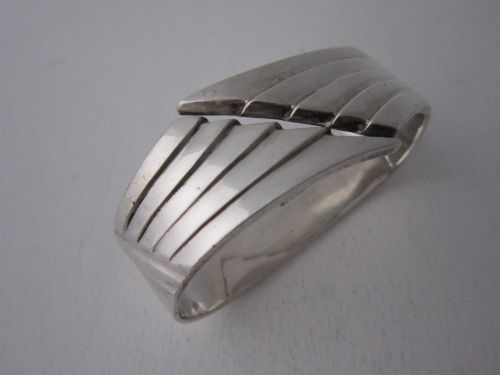
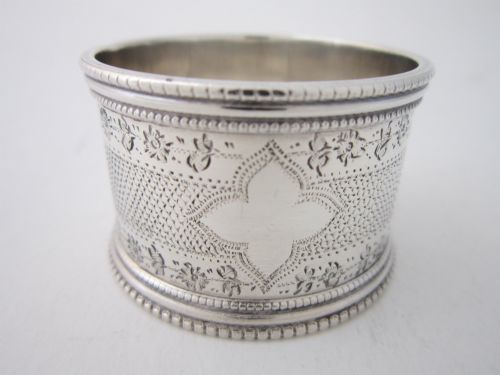
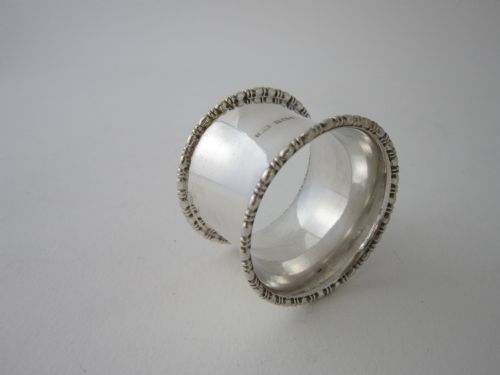
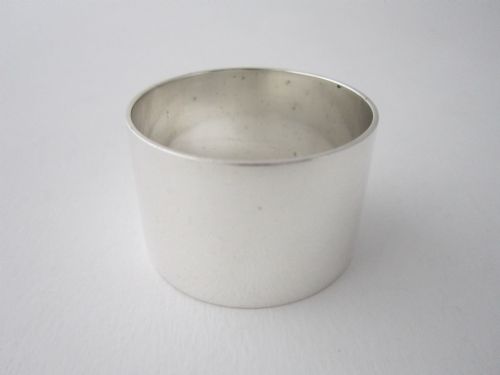
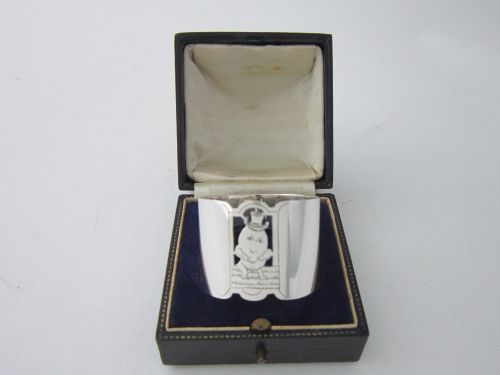
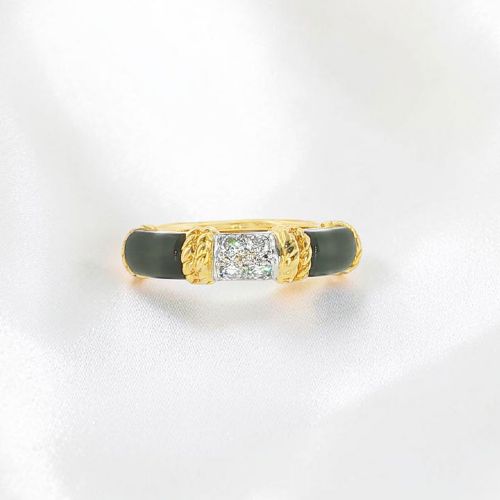
The domestic napkin ring dominates the material evidence, commonly bearing hallmarks from the reigns of George V and Victorian times. Alongside these sit precious metal rings set with diamonds, rubies, sapphires, opals, and agate.
Personal adornment pieces sit beside tableware, reflecting the broad interpretation of the word ring in historical British making. Each period contributes distinct design elements, from heavy Edwardian gauge silver to mid-century modern jewellery settings.
Materials and construction
Sterling silver forms the primary structural material for the tableware items, shaped, stamped, and hallmarked through British assay offices. Precious stones like diamonds, opals, sapphires, and agates are securely mounted into 18ct gold bands for personal jewellery.
Enamelling techniques appear on specific silver items, adding colour through fused glass powders fired onto the metal surface. Construction relies on traditional smithing methods, including heavy gauge rolling, hand-engraving, and stone-setting by hand.
British Ring Retail Price Guide 2026
Typical asking prices for british ring among the pieces listed under this phrase on Sellingantiques today, from the lower quarter to the upper quarter. They describe what is for sale here now, not the wider market.
Silver napkin rings occasionally retain mysterious family initials, whispering tales of long-forgotten Victorian breakfast tables.
Factors determining quality
The thickness of the metal gauge separates utilitarian pieces from exceptional examples, with heavier silver items offering superior tactile weight and durability. Crispness in hallmark stamps and clarity in hand-engraved details also indicate superior workshop execution.
In gemstone pieces, the selection and cutting of stones such as diamonds, opals, and sapphires dictate the overall standard. Sound structural integrity in the bezel or prong settings ensures longevity in wearable items.
R. E. Stone·Harold Arthur Lazarus·Marjorie L Davies
The British Ring Glossary
- Hallmark
- An official mark stamped onto precious metals indicating purity, maker, and assay office. These stamps provide verifiable historical dates for British silver and gold items.
- Sterling silver
- A silver alloy containing substantial pure silver combined with copper to increase durability. This standard metal underpins the majority of British silver tableware.
- Gauge
- The thickness of the metal used to form an object. Heavier gauges require more raw material and skilled manipulation during production.
- Assay office
- An official body that tests the purity of precious metal items and applies statutory hallmarks. British offices include locations such as Birmingham.
- Bezel setting
- A method of securing a gemstone by surrounding it with a thin metal collar that overlaps the stone edges. This technique protects the gemstone during daily wear.
British Ring: Frequently Asked Questions
How do I clean antique silver napkin rings?
Use a soft microfibre cloth designed for silver to gently remove tarnish without scrubbing. Avoid harsh chemical dips that strip away the natural patina accumulated over decades.
Store pieces in dry conditions away from direct sunlight to minimise future oxidation and maintain the crispness of any engraved initials or hallmarks.
Can I wear an antique gold ring daily?
Gold jewellery from the Victorian and mid-century periods can withstand regular wear if the settings remain secure. Inspect the claws or bezels periodically to ensure stones stay firmly anchored.
Remove rings during heavy manual labour or swimming to protect softer gems like opals and delicate metalwork from accidental impact.
What do the British hallmarks tell me?
British hallmarks disclose the city of assay, the purity standard of the metal, and a specific date letter corresponding to the year of manufacture. Maker marks identify the individual silversmith or workshop responsible for the piece.
Learning to read these tiny stamped symbols allows collectors to trace the exact geographical origin and timeline of tableware and jewellery.
How were silver napkin rings used historically?
Families utilised individual napkin rings at the dining table to identify each person's linen napkin between meals. This domestic practice kept household laundry organised across successive days.
Heavier examples from the Edwardian and George V periods reflect the formal dining habits and substantial tableware sets of the era.