



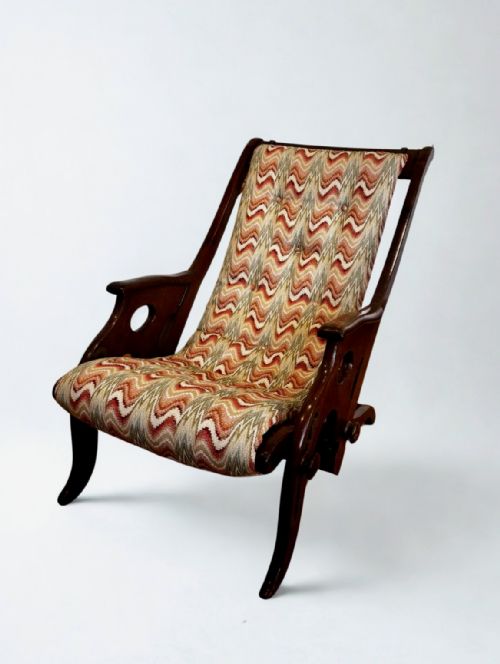


British Chairs
British antique chairs bring centuries of cabinet-making heritage and domestic craftsmanship directly to your rooms.
British Chairs
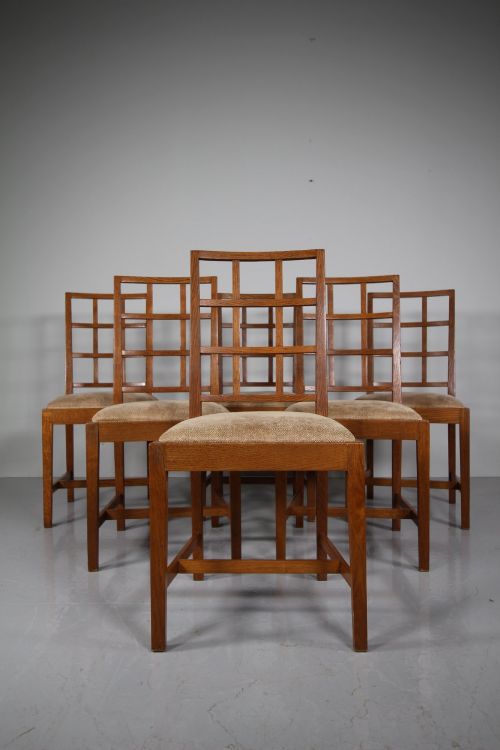
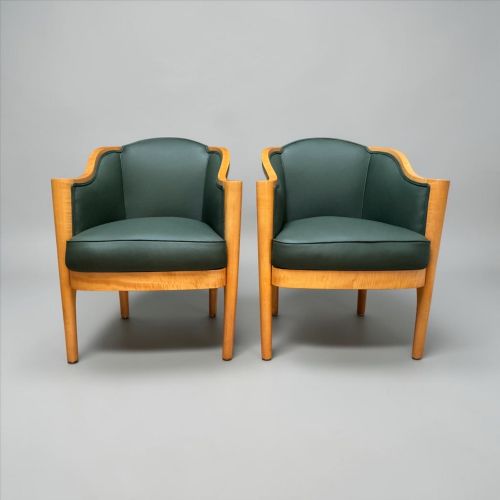
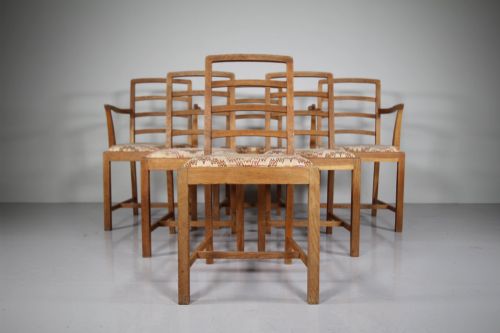
When you search for british antique chairs, you encounter a diverse selection spanning formal dining sets, bedroom seating, and colonial campaign furniture. The pieces represented range across the eighteenth, nineteenth, and early twentieth centuries, capturing evolving domestic fashions.
You are most likely to meet nineteenth-century examples and twentieth-century modernist designs on this page, including sturdy Windsor kitchen chairs and upholstered Victorian armchairs. These forms reflect both everyday utility and refined stylistic movements from distinct periods.
The inventory encompasses specific regional and colonial variants alongside metropolitan productions from London makers. Such variety allows you to trace the shifting materials and aesthetic priorities of British woodworking over successive generations.
Materials and construction methods
Timbers such as mahogany, oak, beech, rosewood, and padauk form the structural core of these chairs, providing durability and distinct grain patterns. Cabinet-makers selected these hardwoods for their strength and suitability to detailed carving or polished finishes.
Upholstery techniques incorporate traditional materials like leather and fabric, often paired with brass detailing or cane seating inserts. Folding mechanisms and adjustable frames in campaign pieces demonstrate precise metalwork integrated with timber construction.
British Chairs Retail Price Guide 2026
Typical asking prices for british chairs among the pieces listed under this phrase on Sellingantiques today, from the lower quarter to the upper quarter. They describe what is for sale here now, not the wider market.
Listings feature items spanning the eighteenth century through to Art Deco designs from nineteen-thirty.
Assessing quality and craftsmanship
The standard of a chair rests upon the integrity of its joinery, the selection of timber, and the preservation of its original structural elements. Finer examples display meticulous attention to proportion, hand-carved details, and high-grade primary woods.
Provenance and maker attribution elevate certain pieces, distinguishing standard workshop production from notable commissions and branded furniture. The survival of original upholstery surfaces, hardware, and finishes further influences the standing of an antique chair.
Heals of London·Bath Cabinet Makers·Hary and Lou Epstein·Holland and Son's·Gillows
The British Chairs Glossary
- Campaign chair
- A portable, often folding chair designed for military officers and travellers during the eighteenth and nineteenth centuries. These pieces typically feature clever hinges and disassembly mechanisms.
- Windsor chair
- A traditional wooden chair featuring a bow or comb back and spindles inserted into a solid saddle-shaped seat. They are frequently constructed from mixed timbers like beech and elm.
- Chaise longue
- An upholstered couch shaped like a chair with an extended seat long enough to support the legs. Victorian examples often incorporate elaborate carved woodwork and scroll ends.
- Padauk
- A dense tropical hardwood prized for its rich reddish-brown colour and durability, commonly found in colonial furniture. It resists warping and takes a fine polished finish.
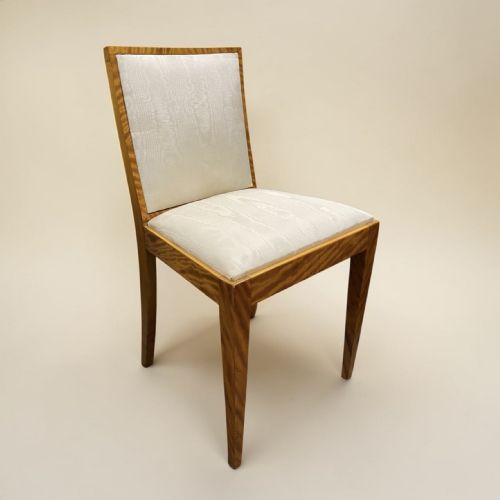
- Satinwood
- A luminous hardwood with a golden lustre, frequently used for decorative veneering and inlay work in high-status cabinet-making. It adds a bright contrast to darker primary woods.
British Chairs: Frequently Asked Questions
How do I date a British antique chair?
Dating relies on examining construction techniques, tool marks, timber choices, and stylistic markers characteristic of specific reigns or decades.
Comparing joinery methods and secondary woods helps place a piece within periods like the Victorian era or the early twentieth century.
Were campaign chairs used indoors?
While originally built for military campaigns and travel abroad, their clever folding designs made them practical for domestic spaces with limited room.
Owners often kept them in studies or libraries for their portability and distinct aesthetic appeal.
How should I care for leather upholstery?
Leather requires careful maintenance to prevent drying and cracking over time, avoiding direct sunlight and excessive heat sources.
Applying appropriate leather conditioners helps preserve the suppleness and natural colour of vintage oxblood or brown hides.
What defines Arts and Crafts seating?
Arts and Crafts chairs emphasise honest construction, visible joinery, and the celebration of traditional hand-craftsmanship over industrial manufacturing.
They typically utilise solid woods like oak with simple, functional forms that highlight the natural qualities of the material.