
Brass Trinket
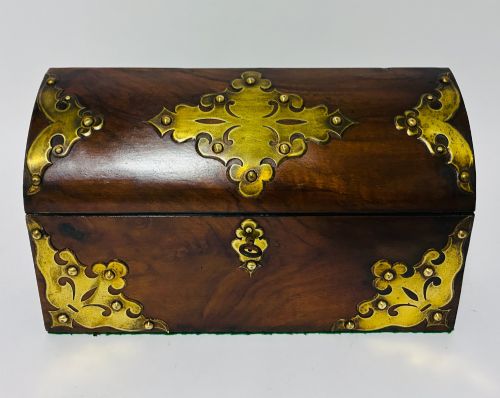
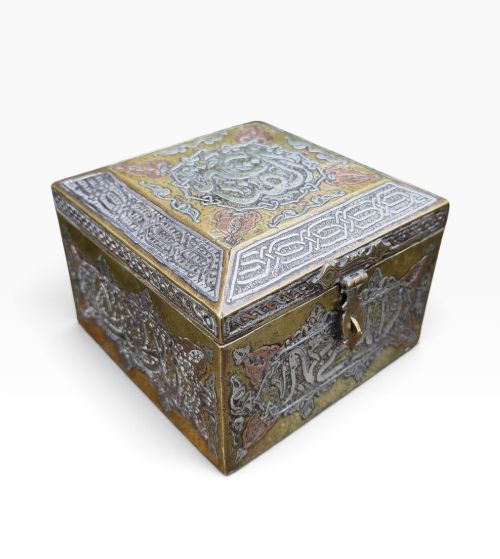
A brass trinket box offers a tactile way to store small valuables, bringing the weight and warmth of metal into daily routines.
Brass Trinket
A brass trinket piece is typically a small container designed to hold personal items like jewellery, pills, or snuff, drawing on forms made across the eighteenth, nineteenth, and early twentieth centuries.
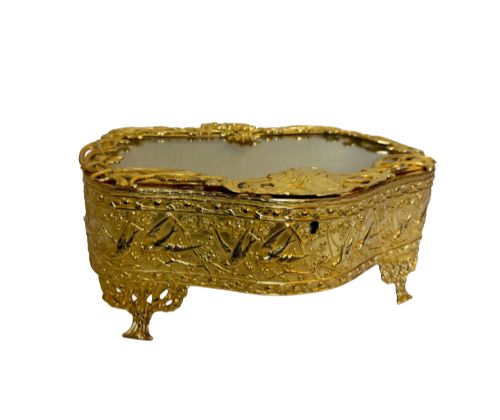
The selections here span Georgian table snuff boxes, Victorian jewellery caskets, and Edwardian metalware containers, reflecting how makers combined brass mounts with wood, glass, and enamel.
Buyers encountering this search phrase find both utilitarian pocket containers and decorative desk pieces from French, English, and Middle Eastern workshops.
How they were made
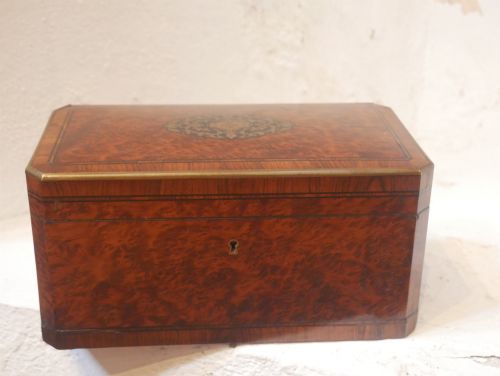
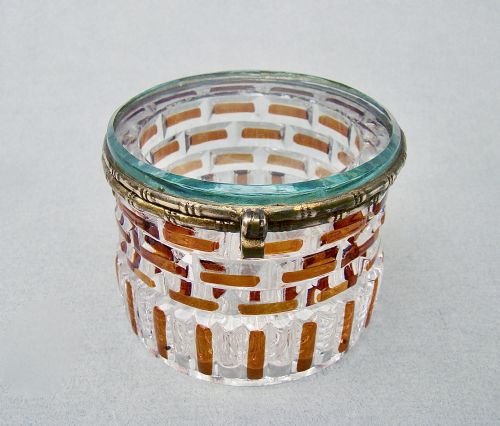
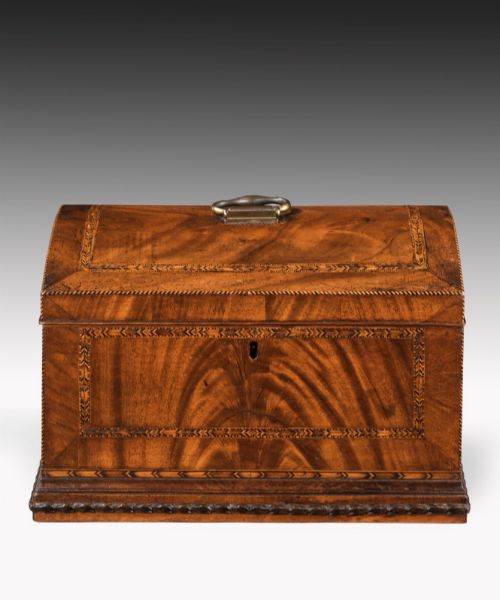
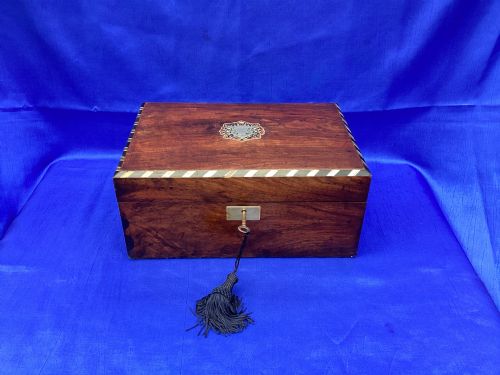
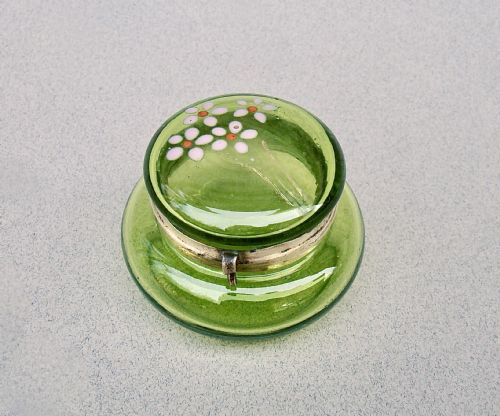
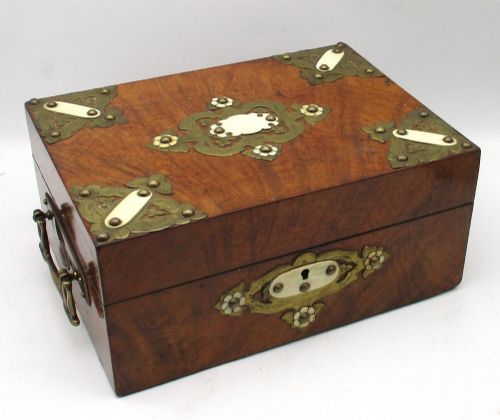
Makers utilised cast and sheet brass, frequently pairing the metal with rosewood, mahogany, amboyna, or clear and amber glass bodies to create contrasting textures.
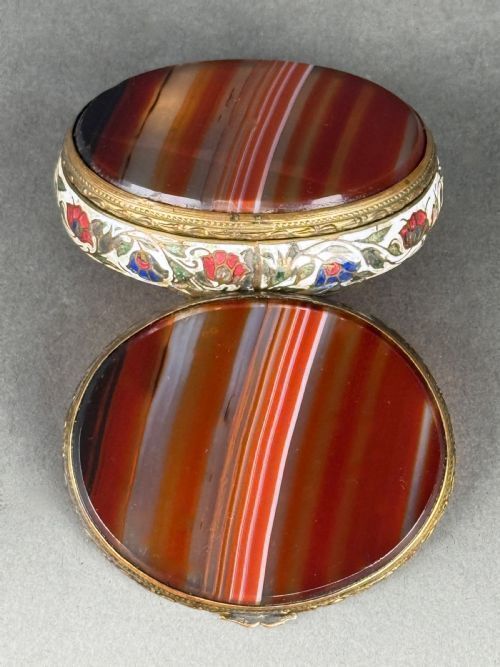
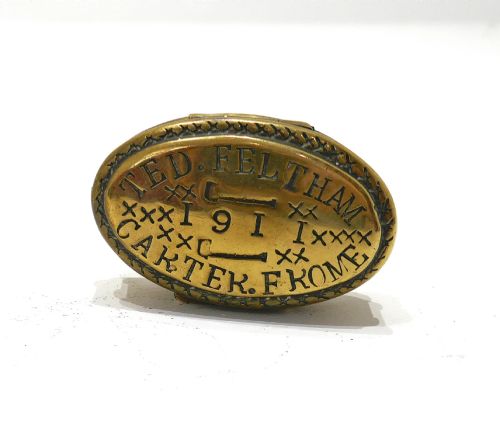
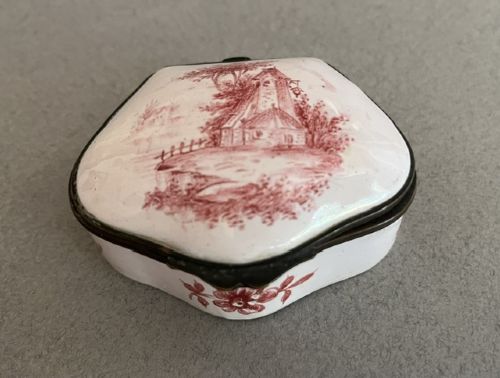
Surface ornamentation involved champlevé enamel, hand engraving with names and dates, and cast bronze mounts secured to wooden and porcelain structures.
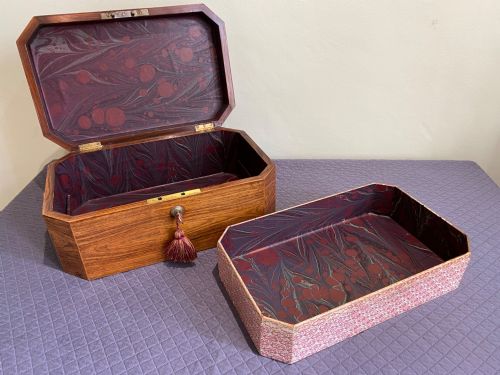
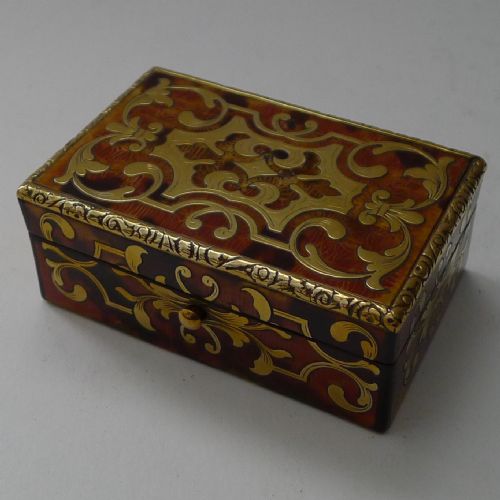
Techniques such as boulle work and brass inlay appear alongside simpler constructed boxes fitted with interior trays and fabric linings.
Listings feature brass combined with Burr Walnut, Mahogany, Rosewood, Enamel, and Glass across the Victorian and Georgian periods.
What varies in quality
Quality rests in the crispness of the brass casting and the precision of the joinery between metal frames and wood or glass panels.
Superior examples demonstrate careful hand engraving, well-fitted hinges that operate smoothly, and intact interior linings or original glass inserts.
The distinction between standard utility items and finer pieces lies in the integration of decorative elements like agate cabochons and champlevé enamel.
Tahan·Erhard and Sohne
The Brass Trinket Glossary
- Champlevé
- An enamel technique where troughs or cells are hollowed out of a metal surface and filled with vitreous enamel before firing. It appears on nineteenth-century French boxes.
- Navette
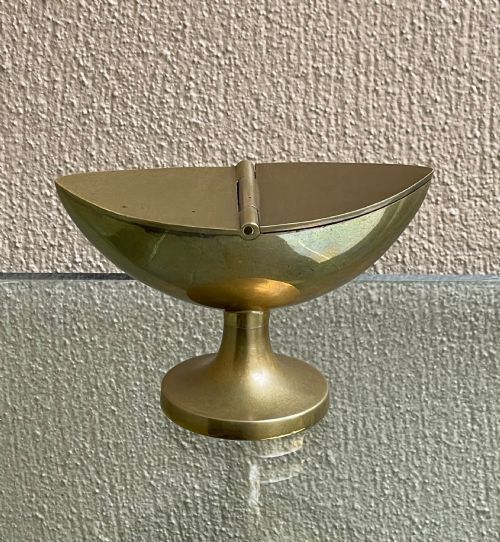
- A boat-shaped decorative form with pointed ends, commonly found on Georgian table snuff boxes. This profile accentuates the length of small desk containers.
- Boulle
- A method of marquetry using brass and tortoiseshell inlaid in ornate patterns, seen on small French containers. Named after the French cabinetmaker.
- Coffre fort
- A small strongbox or miniature chest, often reinforced with metal straps and brass mounts. These pieces provide secure storage for valuables.
Brass Trinket: Frequently Asked Questions
What were brass trinket boxes used for?
These small containers held personal items such as rings, brooches, medicinal pills, and tobacco. People kept them on dressing tables, desks, and in pockets for daily convenience.
Over time, their uses shifted as fashions changed, turning utilitarian pocket pieces into decorative parlour objects displayed on furniture.
How do I date a brass trinket box?
Dating relies on identifying the underlying material, the style of the mounts, and any engraved text or hallmarks. Georgian pieces often show restrained brass inlay, while Victorian examples lean toward heavier cast mounts and eclectic revivals.
Examining the construction methods of the interior trays and hinges also helps narrow down the period of manufacture.
Are these boxes made entirely of brass?
Many pieces combine brass with other materials rather than being solid metal throughout. Common pairings include rosewood, mahogany, porcelain, glass, and enamel panels held together by brass frames.
Pure metalware versions exist primarily as pocket snuff boxes or cast decorative caskets from various nineteenth-century workshops.
How do I care for antique brass?
Maintaining brass involves keeping the metal dry and dusting it gently with a soft cloth to preserve its age and appearance. Harsh chemical polishes remove the historical patina that accumulates over generations.
If the box includes wood, glass, or enamel sections, clean each material according to its specific requirements while protecting any interior fabric linings.