

Brass Topped Table
A brass topped table brings a warm metallic sheen to a room, offering a functional surface rooted in centuries of decorative metalwork and timber framing.
Brass Topped Table
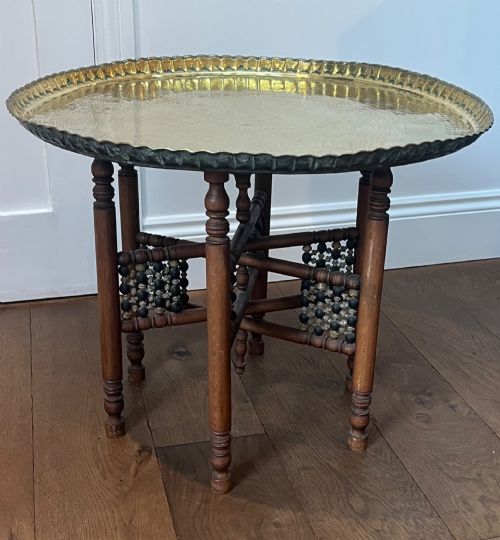
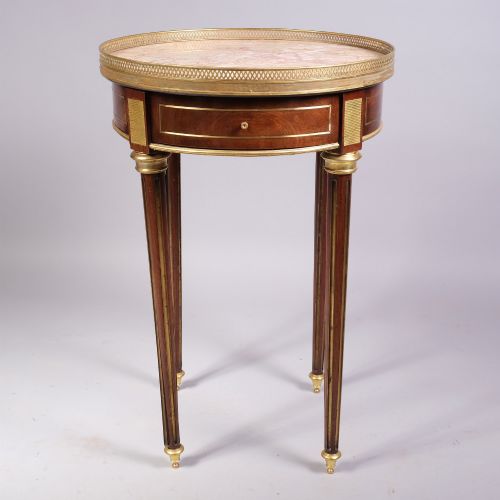
A brass topped table brings together a metal working surface and a supporting timber frame, often appearing in forms such as occasional pieces, tea tables, or low stands. When searching for a brass topped table, buyers encounter examples ranging from 19th-century Indian Benares tea tables with inset copper or brass to Arts and Crafts interpretations featuring specific motifs like peacocks. These pieces combine utility with decorative metal surfaces that reflect light within domestic interiors.
The materials paired with the metal surface define the overall character of these objects, drawing on periods from the Victorian era through the early decades of the twentieth century. Mahogany, rosewood, and other hardwoods commonly form the structural bases, while the metal tops frequently display detailed chased, engraved, or inlaid patterns. This variety allows collectors to select pieces that fit both formal period rooms and more eclectic settings.
Materials and construction methods
Makers constructed the primary frames of these pieces using dense timbers like mahogany, rosewood, and walnut, employing traditional joinery such as mortise and tenon to ensure stability. The metallic elements were worked separately, often utilising sheet brass hammered over wooden cores or inset directly into rebated wooden tops. Engraving and chasing techniques created intricate surface decoration across the metal plate before it was secured to the base.
In many instances, craftsmen incorporated secondary materials such as copper insets, gilt bronze mounts, or inlaid contrasting woods to frame the central brass surface. The attachment of the metal top required careful fitting to accommodate natural wood movement over time without distorting the sheet. Surface finishes on the timber frame typically involved French polishing or wax application to highlight the natural grain.
Brass Topped Table Retail Price Guide 2026
Typical asking prices for brass topped table among the pieces listed under this phrase on Sellingantiques today, from the lower quarter to the upper quarter. They describe what is for sale here now, not the wider market.
Peacocks strut across Arts and Crafts metal surfaces, bringing an unexpected touch of avian theatre directly to the tea table.
Evaluating craftsmanship and condition
Quality in these pieces rests upon the crispness of the chased or engraved detail on the metal surface and the integrity of the underlying timber construction. Superior examples display deeply worked patterns with clear definition, while lesser pieces rely on shallow stamping that wears down over time. The tightness of the fit between the brass plate and the wooden surround indicates the level of care taken during initial assembly.
The selection of figured woods for the base and the preservation of original surface finishes further distinguish higher-tier examples from standard production items. Alterations to the metal top or replacement of structural elements alter the historical integrity of the piece. Evaluating the overall harmony between the metalwork and the wood reveals the skill of the original workshop.
Gillows·Taylor of London·Thomas Howard·Jean-Baptiste Delettrez·Maple and Co.
The Brass Topped Table Glossary
- Chasing
- A metalsmithing technique used to decorate metal by indenting a tool from the front to push the material downward, creating a raised design without removing metal. This method appears on decorative metal table surfaces.
- Inlay
- A technique where pieces of a contrasting material, such as brass, ivory, or lighter woods, are embedded into recesses cut into a solid wood surface. It is frequently seen on Regency and Victorian cabinet furniture.
- Occasional table
- A small, light table designed for specific, intermittent uses within a room, such as holding a lamp or beverages. These forms include tea tables and small side stands.
- Mahogany
- A durable, reddish-brown tropical hardwood prized by cabinetmakers for its stability, fine grain, and ability to take a high polish. It serves as a primary structural timber for many 18th and 19th-century tables.
Brass Topped Table: Frequently Asked Questions
What is a brass topped table?
A brass topped table is a functional piece of furniture featuring a decorative metal upper surface supported by a wooden frame. These surfaces often display intricate engraved patterns or hammered details.
Craftsmen produced these items across various periods, combining the reflective quality of brass with structural timbers like mahogany and rosewood to create practical display or tea surfaces.
How do I clean the metal top?
Cleaning requires a soft cloth and mild soap to remove dust and surface grime without disturbing the patina built up over decades. Harsh chemical polishes should be avoided as they can strip away aged surface coloration.
Preserving the natural appearance of the metal ensures the piece retains its historical character and visual depth within a room.
Where were these tables used?
These tables served primarily in domestic reception rooms, parlours, and drawing rooms as convenient surfaces for serving tea or displaying decorative objects. Their portable nature allowed them to be moved easily around the home.
Victorian and Edwardian households utilised them both for daily utility and to introduce exotic or handcrafted elements into interior decoration.
How do I date my table?
Dating relies on examining the timber construction methods, secondary woods, and stylistic motifs present in the base frame. Cabinetmaking techniques evolved significantly from the Georgian period through the Arts and Crafts movement.
Comparing the specific engraving style on the brass surface with known period examples provides further clues regarding the approximate decade of manufacture.