




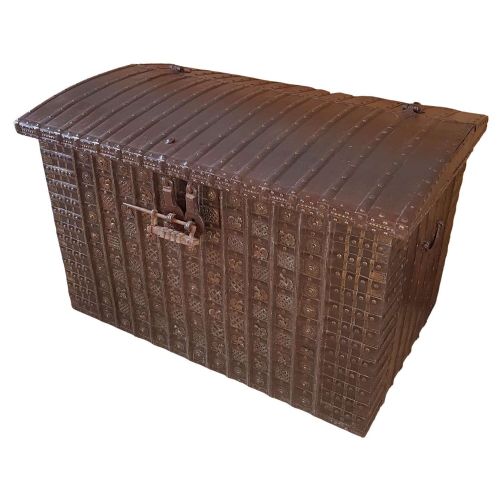


Brass Strap Chest
These robust brass strap chest pieces offer practical storage with metal-reinforced structure, spanning centuries of global travel and domestic service.
Brass Strap Chest
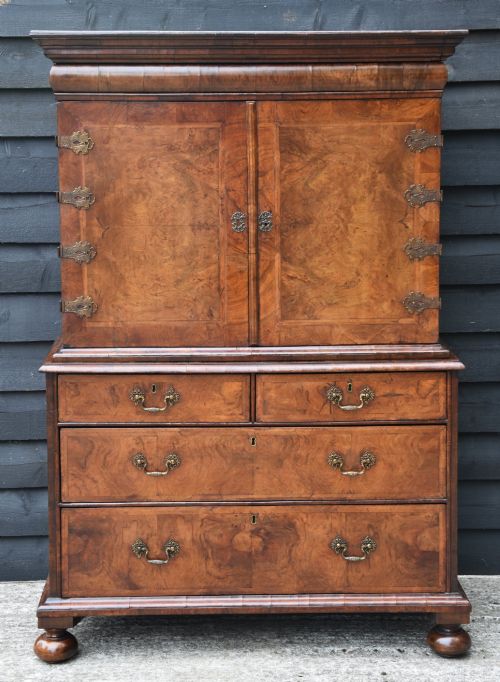
A brass strap chest encompasses a wide variety of reinforced trunks, boxes, and campaign furniture designed for durability and transit. These range from military campaign chests in teak and mahogany to Indian dowry chests and European travel trunks.
Buyers will frequently encounter Victorian and 19th-century pieces alongside earlier Georgian and 17th-century examples. The selection includes camphor wood trunks, oak silver chests, and specialised containers like wine coolers and cellarettes.
Origins vary significantly, reflecting international trade and military movement. Pieces originate from British workshops, colonial outposts including Anglo-Indian sources, and Scandinavian makers.
Materials and construction
Construction relies on durable timbers such as teak, oak, mahogany, camphor wood, and walnut, chosen for their strength and resistance to humidity. These timbers form the primary carcass of trunks, coffers, and cabinets.
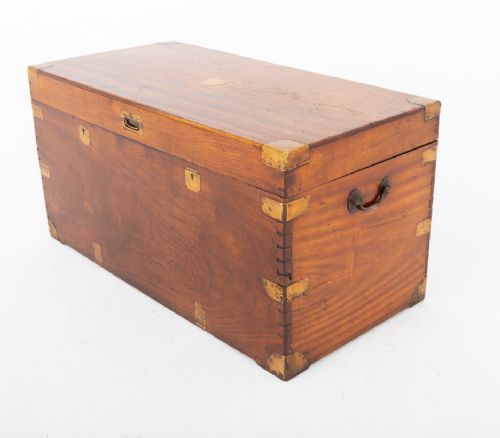
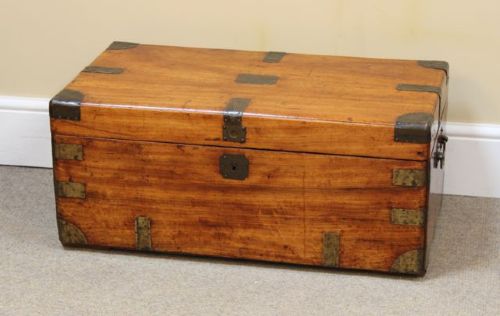
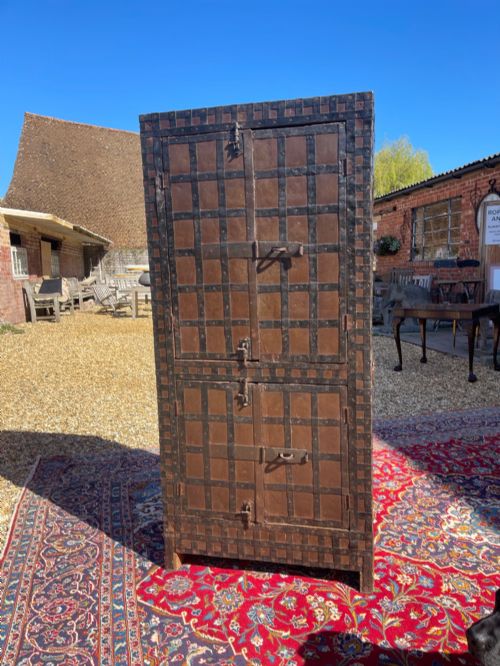
Metal reinforcement defines these pieces, utilising brass straps, iron bands, and corner mounts secured with screws or rivets. This hardware protects edges and joints during transit while providing structural rigidity.
Joinery techniques range from dovetailed corners on domestic boxes to reinforced framing on military and travel chests. Surfaces are often finished with polished or oiled treatments that highlight the natural grain of the wood.
Brass Strap Chest Retail Price Guide 2026
Typical asking prices for brass strap chest among the pieces listed under this phrase on Sellingantiques today, from the lower quarter to the upper quarter. They describe what is for sale here now, not the wider market.
One listed container is a brass-bound Guinness bottle storage barrel from the Edwardian era.
Evaluating quality and construction
Quality rests in the precision of the metalwork and the selection of timber. Superior examples feature heavy gauge brass strapping neatly fitted to the wood contours, with flush mounts and well-preserved original fixings.
The integrity of the internal construction differentiates standard transit boxes from finer pieces. Well-made chests maintain stable joints and functional locking mechanisms, often retaining maker inscriptions or original interior partitions.
The Brass Strap Chest Glossary
- Campaign chest
- A modular chest of drawers or trunk designed to break down into sections for military transport. These pieces typically feature recessed brass handles and corner brackets.
- Cellarette
- A lockable container used for storing wine bottles, frequently fitted with brass bands and lead linings. They appear in octagonal and oval forms during the Georgian period.
- Damchiya
- A traditional Indian dowry chest characterised by low relief carving and iron or metal banding. These storage boxes often feature intricate locking mechanisms.
- Cooffer
- A large wooden chest with a lid, used historically for storing valuables and textiles. Earlier examples often display dome tops and heavy iron or brass reinforcement.
Brass Strap Chest: Frequently Asked Questions
What is a brass strap chest?
A brass strap chest is a wooden storage box or trunk reinforced with metal strips to withstand travel and heavy use.
These pieces range from military campaign furniture to domestic silver chests and merchant trunks.
How were these chests used?
They served primarily for transporting personal belongings, valuables, and wine during travel by land or sea.
Many remained in domestic settings as heavy storage boxes, blanket chests, or specialised drinks cabinets.
How do I date a chest?
Dating relies on timber selection, construction methods, and the style of the brass hardware.
Earlier pieces from the 17th and 18th centuries utilise different joinery and native timbers compared to 19th-century campaign items.
Where were they made?
Production occurred across Britain, Europe, and colonial regions including India and China.
British officers commissioned campaign pieces abroad, while local artisans built regional variants using native woods like camphor and teak.