





Brass Shop Counter
A brass shop counter brings the solid utility of nineteenth and twentieth-century commerce straight into a domestic interior.
Brass Shop Counter
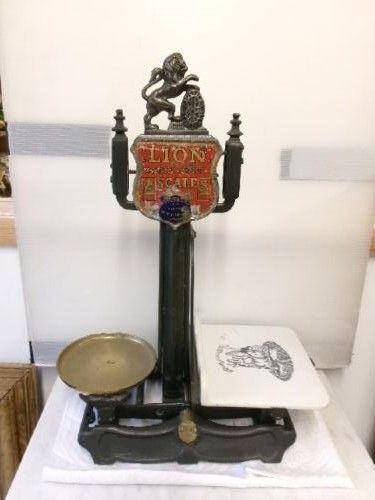
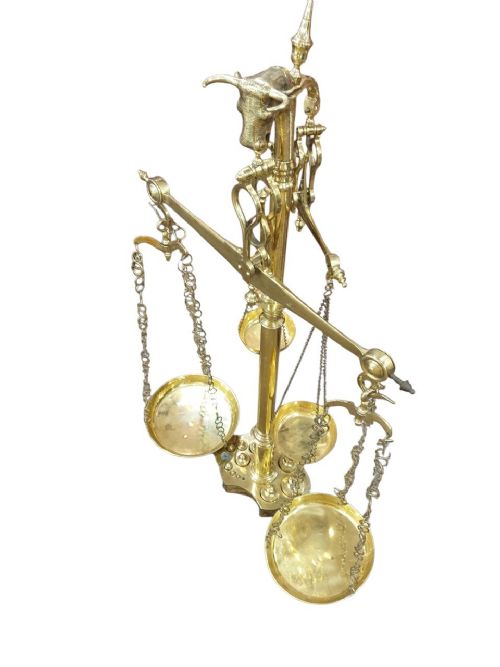
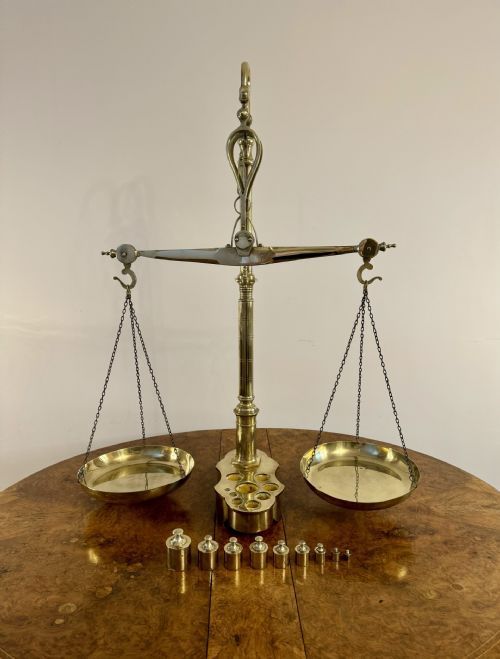
A brass shop counter encompasses commercial display furniture and heavy mercantile equipment built to serve Victorian and twentieth-century retail trades. Buyers searching for a brass shop counter encounter large mahogany and oak display cabinets alongside precise weighing scales, balance scales, and countertop display stands.
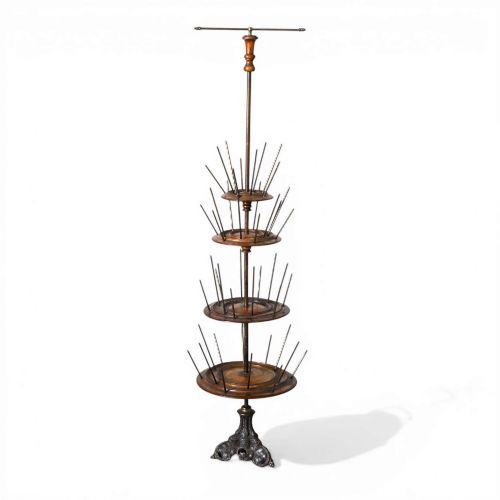
The pieces originating from this commercial lineage span the Victorian era, Edwardian period, and 1920s or 1930s Art Deco styles. Furniture forms range from drapers chests of drawers and haberdashery cabinets to brass-framed display counters and countertop hat stands.
English and French shop fittings dominate the selection, reflecting the practical needs of grocers, butchers, drapers, and jewellers. Each item served a distinct function in a working shop, whether displaying merchandise behind glass or weighing goods on heavy brass beams.
Materials and construction methods
Makers constructed these commercial pieces using durable hardwoods such as mahogany and oak alongside structural cast iron and polished brass frames. Glass panels and mirrored interiors provided visibility for retail customers while protecting delicate goods from dust.
Metal components involved heavy cast iron bases for scales and bells, paired with finely cast brass beams, pans, and rims. Surfaces often combined polished brass with timber frames, velvet linings inside jewellery cabinets, and painted or printed advertising elements.
Brass Shop Counter Retail Price Guide 2026
Typical asking prices for brass shop counter among the pieces listed under this phrase on Sellingantiques today, from the lower quarter to the upper quarter. They describe what is for sale here now, not the wider market.
Factors that separate different examples
Quality rests upon the integrity of the original commercial materials and the presence of maker signatures from notable shopfitters. Pieces featuring substantial cast brass beams, heavy hardwood frames, and original glass pane construction stand apart from simpler utility items.
The presence of specialised commercial details, such as mirrored interiors in display cabinets or intact maker inscriptions on scale mechanisms, defines the upper tier of surviving retail equipment.
Herbert & Sons London·F. Sage & Co.·Parnall & Sons of Bristol·Saml. Elliott & Sons
The Brass Shop Counter Glossary
- Balance scales
- Weighing apparatus utilising a central fulcrum and two suspended pans. These devices were essential equipment for grocers and merchants measuring bulk goods.
- Haberdashery cabinet
- Specialised multi-drawer furniture designed for organising small sewing goods, ribbons, and textiles. They typically feature glass fronts or pulls to display stock.
- Display counter
- Low commercial furniture combining timber cabinetry with glass panels. Retailers used these surfaces to present high-value stock directly to customers.
- Counter bell
- Small signaling device placed upon a desk or shop counter. Staff used these mechanical bells to summon assistance from the back room.
Brass Shop Counter: Frequently Asked Questions
What is a brass shop counter?
A brass shop counter refers to commercial furniture and mercantile fittings built for Victorian and early twentieth-century retail spaces. These items include display cabinets, glass-fronted counters, and heavy brass scales used by grocers and drapers.
Such pieces combine utilitarian metalwork with durable timbers like oak and mahogany, designed to withstand daily customer interaction in busy shops.
How were display cabinets used?
Shopkeepers utilised display cabinets and glass counters to protect delicate merchandise while keeping goods visible to shoppers. Jewellery, drapers items, and small wares sat inside these timber and brass enclosures.
The inclusion of mirrored interiors and multiple tiers helped maximise light and visibility within nineteenth-century retail environments.
How do I date a shop counter?
Dating relies upon stylistic markers such as Victorian cast iron framing, Edwardian proportions, or 1930s Art Deco geometric lines. Maker marks stamped into brass scale beams or cabinet hardware provide further chronological clues.
Materials also indicate age, shifting from nineteenth-century solid mahogany and heavy cast iron toward lighter early twentieth-century construction methods.
Can I use these pieces at home?
These commercial fittings adapt readily to domestic interiors as kitchen storage, hallway furniture, or living room display surfaces. Haberdashery chests and countertop cabinets offer practical organisation for modern collections.
Their robust construction ensures they handle everyday home use just as effectively as they served nineteenth-century retail trades.