



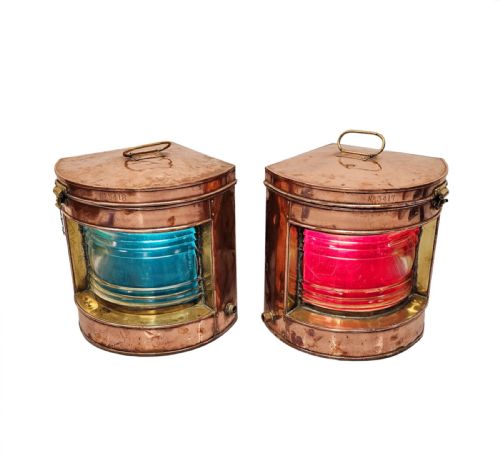
Brass Ship Light
A brass ship light brings genuine nautical history indoors, offering robust maritime illumination forged from heavy brass and copper.
Brass Ship Light
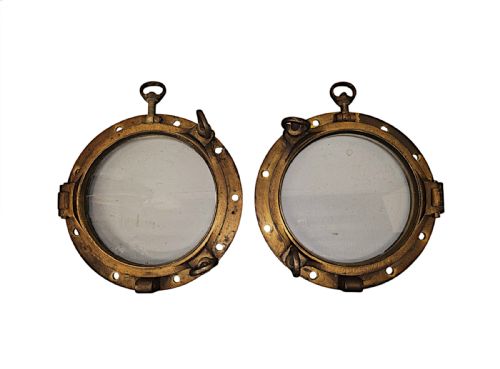
A brass ship light encompasses a robust group of maritime objects designed for marine utility, ranging from heavy port holes to functional gimbal lamps and hanging lanterns. These pieces span the nineteenth century, the Edwardian era, and the early decades of the twentieth century, reflecting practical maritime engineering.
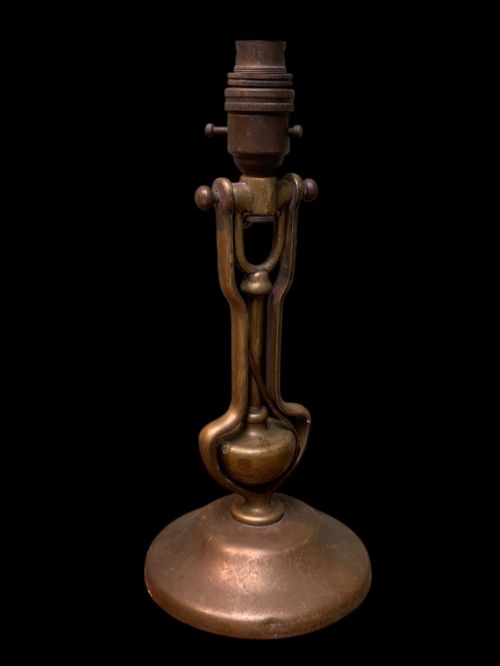
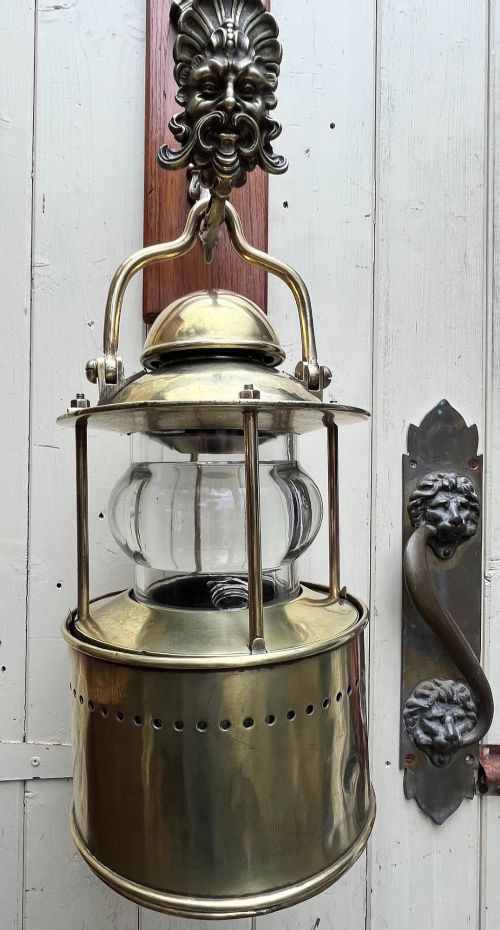
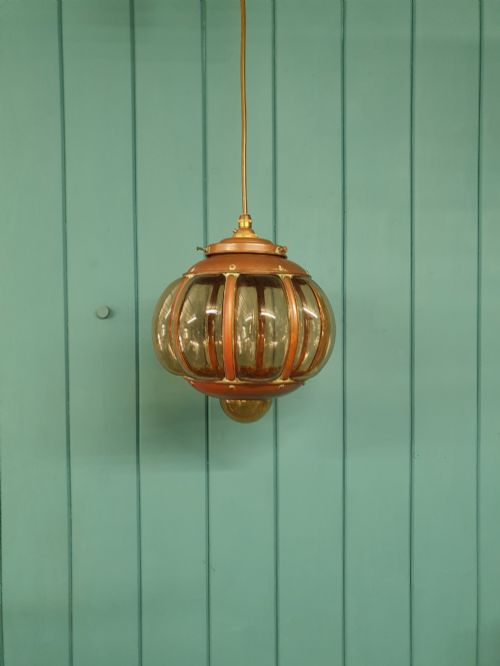
The versions most commonly met on this page include gimbal-mounted lamps and copper or brass port lanterns, often paired with glass or smoked glass elements. Forms vary from wall lanterns and pendant lights to table lamps and architectural salvage recovered from vessels.
Makers and styles bridge utilitarian naval hardware and decorative maritime lighting, encompassing Victorian maritime designs alongside Edwardian iterations. Each object carries the distinct patina of its nautical origins, whether finished in polished brass or nickel-plated brass.
Materials and construction
Construction relies heavily on durable metals like brass, copper, and nickel-plated brass designed to withstand harsh marine environments. Makers frequently combined these base metals with robust glass lenses or smoked glass to protect interior flames or early electric fittings.
Specialised engineering is evident in mechanisms such as gimbals, which allowed lamps to remain level despite the rolling of a ship. Additional materials such as wood, fabric, and black enamelled iron feature in specific mountings and components.
Brass Ship Light Retail Price Guide 2026
Typical asking prices for brass ship light among the pieces listed under this phrase on Sellingantiques today, from the lower quarter to the upper quarter. They describe what is for sale here now, not the wider market.
Some gimbal lamps served dual duty, shifting easily from ship cabins to railway carriages without losing their balance.
Judging quality in marine lighting
Quality in a brass ship light rests upon the integrity of its metalwork, the weight of the casting, and the original patination developed over decades at sea. Superior examples retain complex functional mechanisms like working gimbals and intact glass lenses without replacement parts.
The distinction between standard utility hardware and finer pieces often lies in the maker's finish, such as heavy nickel plating over brass or robust copper fabrication marked by established workshops.
Alderson and Gyde Ltd·William McGeoch and Co
The Brass Ship Light Glossary
- Gimbal
- A pivoted support ring that allows a lamp to remain upright regardless of the motion of a ship.
- Port hole
- A heavy circular window frame salvaged from a vessel, typically constructed from brass.
- Port lantern
- A navigation light specifically coloured or positioned to indicate the port side of a ship.
- Starboard
- The right side of a ship, historically marked with specific lantern patterns.
- Patina
- The surface sheen and oxidation developed on metal over years of exposure to maritime conditions.
Brass Ship Light: Frequently Asked Questions
How do gimbal lamps work?
Gimbal lamps utilise a system of concentric rings and pivots that counteract the rolling motion of a vessel. This ensures the flame or bulb stays level while the ship moves.
Such mechanisms were essential for safe illumination below deck during rough seas.
Were these lights meant for indoor use?
Originally, these pieces were manufactured strictly for marine navigation and utility on ships or trains. They faced harsh saltwater environments rather than domestic living rooms.
Today, collectors adapt them for interior lighting to incorporate genuine industrial history.
How do I date a brass ship light?
Dating relies on identifying materials like nickel plating, copper, or smoked glass alongside specific manufacturing styles from the nineteenth century or early twentieth century. Maker marks and patent numbers stamped into the metal also help narrow the production period.
Earlier examples often display heavier cast brass and simpler utilitarian fastenings.
What is the difference between port and starboard lights?
Port and starboard lights designated the left and right sides of a vessel for navigation safety at night. They frequently involved specific colour coding or lens patterns to communicate direction to other ships.
Collectors often find these offered as matched pairs.