



Brass Nautical Lighting
Brass nautical lighting brings working maritime heritage into domestic spaces through heavy metal fittings built to endure heavy seas.
Brass Nautical Lighting
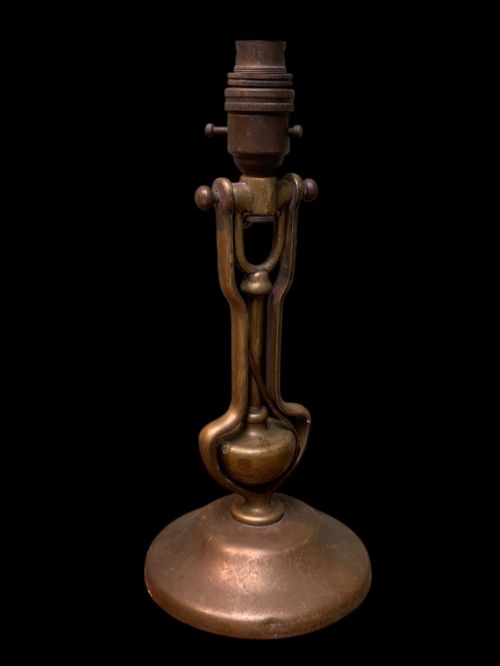
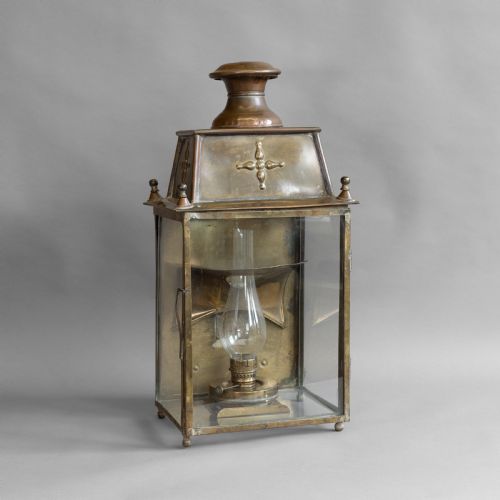
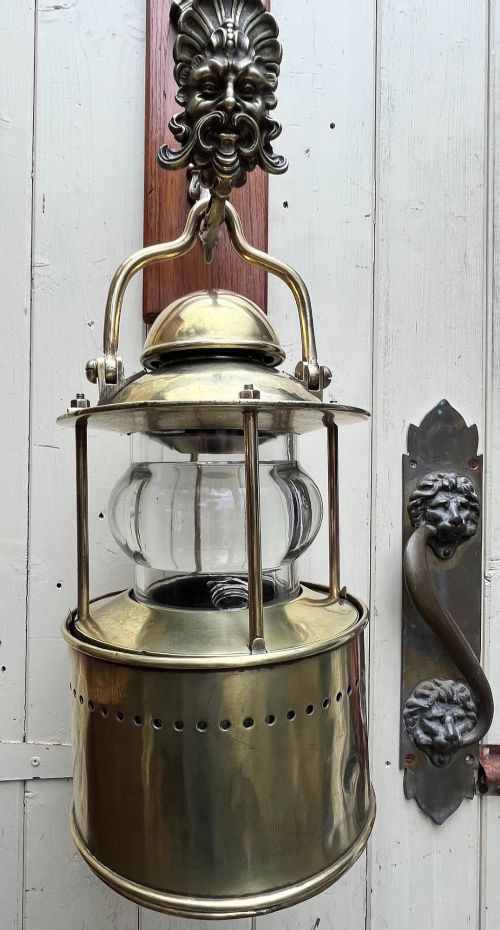
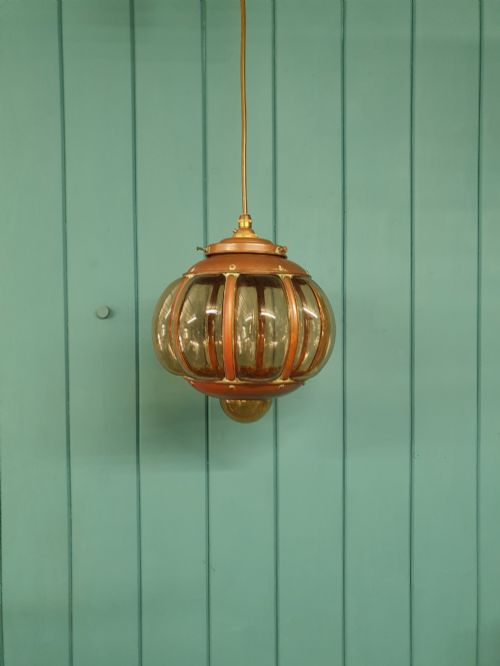
Brass nautical lighting encompasses functional marine hardware adapted for interior illumination, spanning wall lanterns, pendant lights, and gimbal lamps. You will frequently encounter items originating from the nineteenth and early twentieth centuries, including Edwardian and Victorian examples.
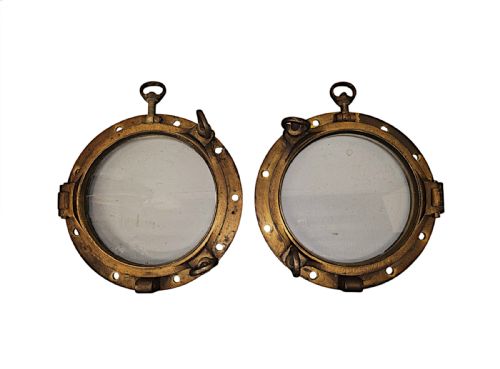
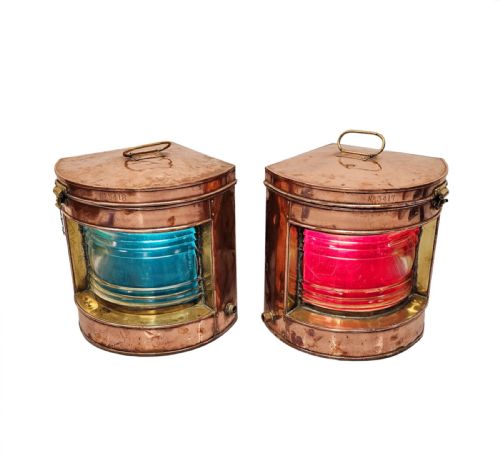
The objects on this page range from portable cabin lamps and ship lanterns to architectural salvage such as port holes and door knockers. Copper and nickel-plated brass appear alongside traditional yellow brass, reflecting the diverse metalwork found aboard vessels of the period.
How they were made
Maker workshops utilised durable metals like brass, copper, and iron, often applying nickel plating to resist corrosion in damp marine environments. Thick clear, smoked, or ribbed glass protected flame and electric sources within sturdy frames.
Gimbals and pivoting rings were engineered to keep lamps level as ships rolled, requiring precise mechanical joints and heavy metal casting. Surface finishes developed natural patinas through exposure to salt air and decades of handling.
Brass Nautical Lighting Retail Price Guide 2026
Typical asking prices for brass nautical lighting among the pieces listed under this phrase on Sellingantiques today, from the lower quarter to the upper quarter. They describe what is for sale here now, not the wider market.
Listings feature items spanning the 19th century through the 1940s, including Edwardian and Victorian pieces.
What varies in quality
Quality rests in the substantial weight of the metal casting and the integrity of mechanical elements like gimbal rings and original glass globes. Early pieces show crisp maker markings and careful assembly designed for rigorous naval use.
The depth of the natural patina and the preservation of original plating distinguish standard utility hardware from exceptional examples produced by specialised marine outfitters.
Alderson & Gyde Ltd·William McGeoch & Co
The Brass Nautical Lighting Glossary
- Gimbal
- A pivoted support that allows a lamp to remain upright regardless of the motion of a ship. This mechanism ensures steady illumination on rolling seas.
- Port hole
- A circular window fitted into the hull of a ship, often salvaged and mounted as a mirror or decorative frame. These heavy brass rings secure thick glass panes with metal dogs and hinges.
- Port and starboard
- Nautical terms designating the left and right sides of a vessel, respectively. Lanterns built for these positions traditionally displayed specific red and green lenses.
- Patina
- The surface sheen and colour acquired by metal through age, oxidation, and handling. Collectors value this visual record of an object's history at sea.
Brass Nautical Lighting: Frequently Asked Questions
How were ship gimbal lamps used?
Gimbal lamps were mounted on cabin walls or bulkheads using pivoting rings that allowed the light source to remain upright as the ship pitched and rolled.
This clever mechanical design prevented oil from spilling and kept flames steady during rough weather at sea.
How do I style nautical lighting at home?
These heavy metal fixtures suit industrial, maritime, or traditional interiors when mounted securely to walls or hung as pendants in kitchens and hallways.
Their robust construction and patinated metal surfaces bring authentic industrial character and historical weight to contemporary rooms.
How can I tell the period of a piece?
Dating relies on observing construction methods, material choices such as nickel plating or early copper, and identifying marks left by period manufacturers.
Stylistic cues from Victorian, Edwardian, and Art Deco eras help place these items within nineteenth and early twentieth-century timelines.