



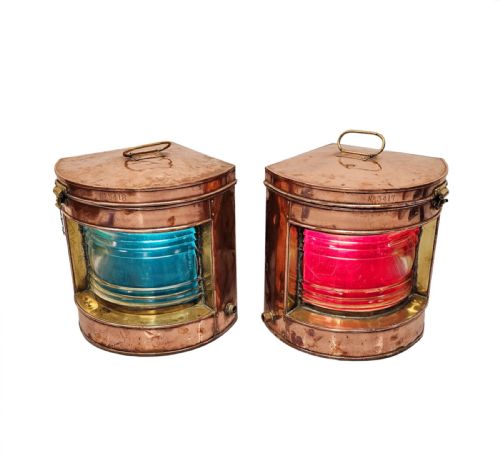
Brass Marine Light
These brass marine light pieces are robust functional fixtures salvaged from ships and maritime architecture, offering solid metal construction and enduring nautical character.
Brass Marine Light
When you search for brass marine light fixtures, you encounter heavy-duty functional items originating from maritime contexts. These pieces span the nineteenth century through to the middle of the twentieth century, encompassing periods like the Edwardian era and specific decades from eighteen-eighty to nineteen-forty.
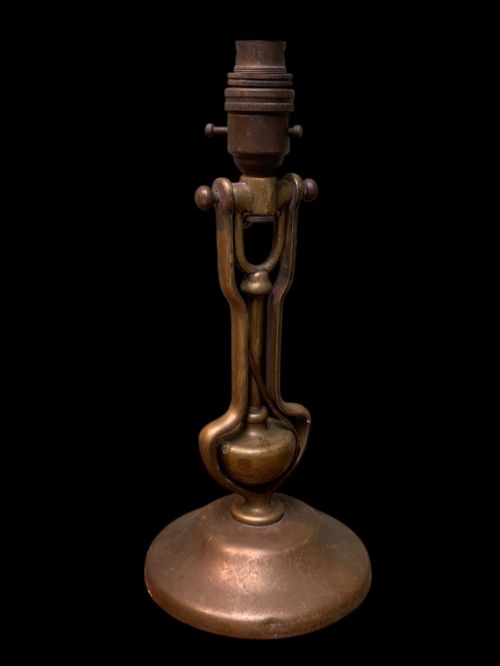
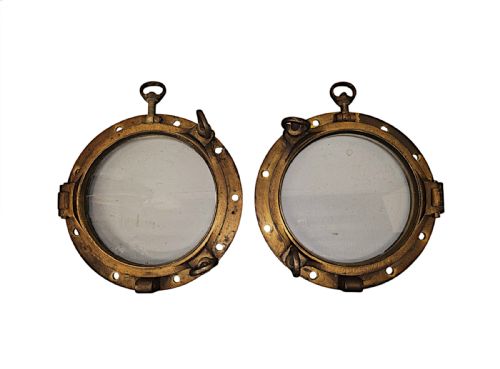
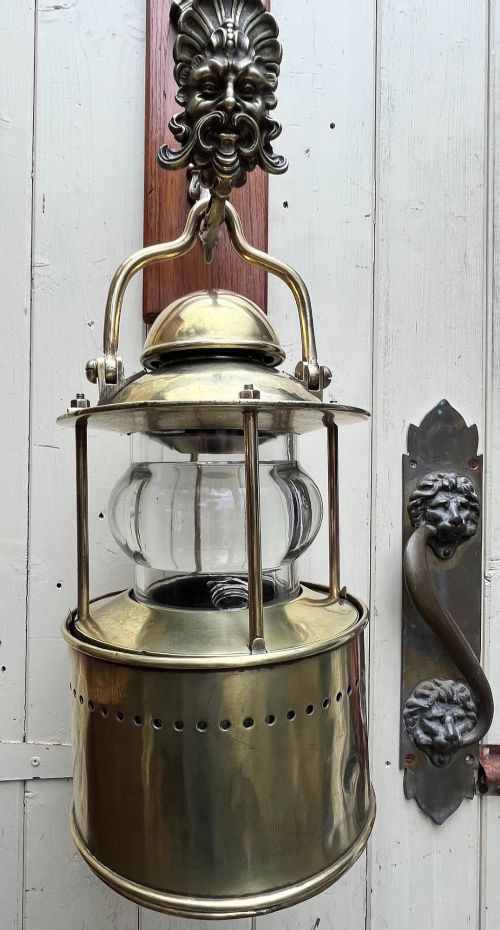
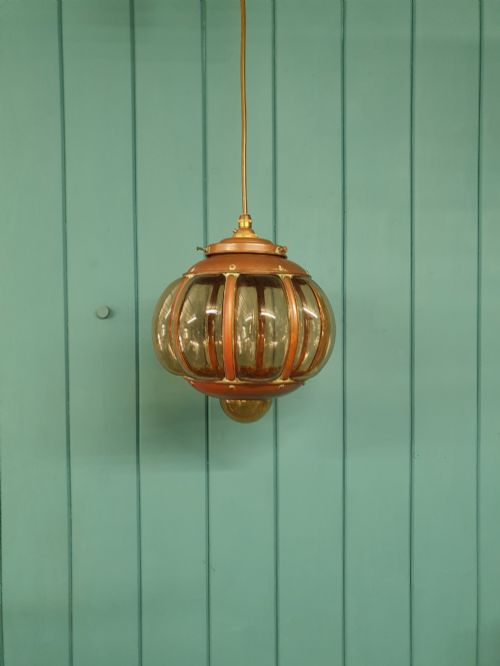
The selections on this page appear in various forms, including table lamps, wall lanterns, ship lanterns, pendant lights, architectural salvage, and port holes. You meet items fashioned as gimbal lamps designed to stay level on rolling vessels alongside pairs of matching port holes.
Materials extend beyond standard yellow metal to include copper, nickel-plated brass, smoked glass, fabric, and black enamelled iron bases. Styles divide into maritime, nautical, and Victorian classifications, often overlapping across Edwardian production.
How they were made
Maker workshops built these fixtures using heavy-gauge brass and copper plates, joining structural components to withstand moisture and movement at sea. Many examples incorporate thick protective glass lenses and specialised gimbal rings that allow the lamp to pivot freely.
Surface treatments range from polished brass and nickel plating to black enamel finishes on iron bases. Maker details often appear stamped directly into the metal body or mounting plates alongside pattern numbers.
Brass Marine Light Retail Price Guide 2026
Typical asking prices for brass marine light among the pieces listed under this phrase on Sellingantiques today, from the lower quarter to the upper quarter. They describe what is for sale here now, not the wider market.
Listings feature items spanning the nineteenth century through the nineteen-forties, including Edwardian examples.
What varies in quality
The distinction between standard utility items and superior examples lies in the integrity of the original metalwork and retained manufacturer markings. Pieces retaining intact heavy glass, original nickel plating, and functional gimbal mechanisms command greater attention from collectors.
Substantial weight, crisp stampings from named firms, and well-preserved surface treatments indicate superior workshop production. Simpler unbranded lamps or those showing heavy alterations sit lower in the range.
Alderson & Gyde Ltd·William McGeoch & Co
The Brass Marine Light Glossary
- Gimbal
- A pivoted support ring that allows a lamp to remain upright despite the movement of a ship. This mechanical arrangement ensures steady illumination on rolling seas.
- Port hole
- A circular window set into the side of a vessel to admit light and air. In salvage form, these heavy brass frames house thick glass discs.
- Starboard
- The right-hand side of a ship when facing forward, traditionally marked with a green light. Lanterns bearing this designation indicate specific navigational positioning.
- Pendant light
- A fixture suspended from the ceiling by a chain, cord, or rigid rod. These units distribute downward illumination within ship cabins or passageways.
Brass Marine Light: Frequently Asked Questions
What is a brass marine light?
A brass marine light is a salvaged nautical fixture originally utilised on ships or maritime structures for navigation and interior illumination.
These pieces utilise durable metals like brass and copper designed to endure harsh marine environments.
How were ship gimbal lamps used?
Ship gimbal lamps were mounted on brackets using concentric pivot rings that kept the burner and fuel or electric source level.
This mechanism prevented the lamp from swinging dangerously or extinguishing during rough vessel movement.
How do I style a marine light?
These fixtures integrate into industrial or coastal interiors as pendant lights, table lamps, or wall-mounted lanterns.
Their substantial metal construction provides a strong focal point in rooms featuring neutral or utilitarian design elements.
How are different periods identified?
Periods are identified through manufacturing labels, material finishes such as early nickel plating, and specific construction patents.
Nineteenth-century items often feature heavier castings, while nineteen-forties pieces incorporate standardised production markings.