



Brass Lion Foot
These brass lion foot pieces bring tangible weight and classic character to interior spaces through period metalwork.
Brass Lion Foot
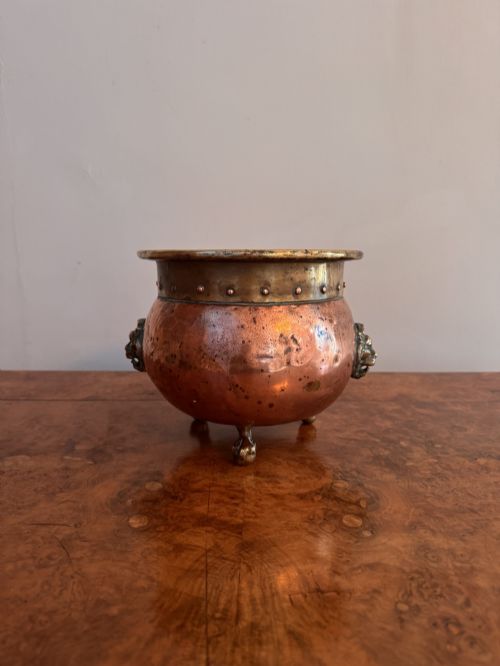
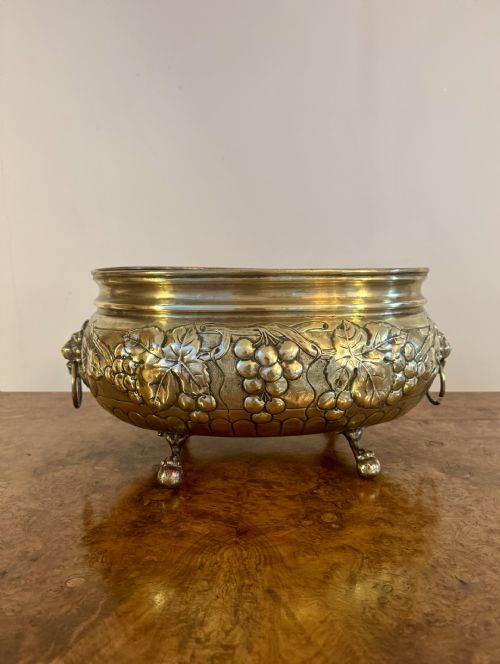
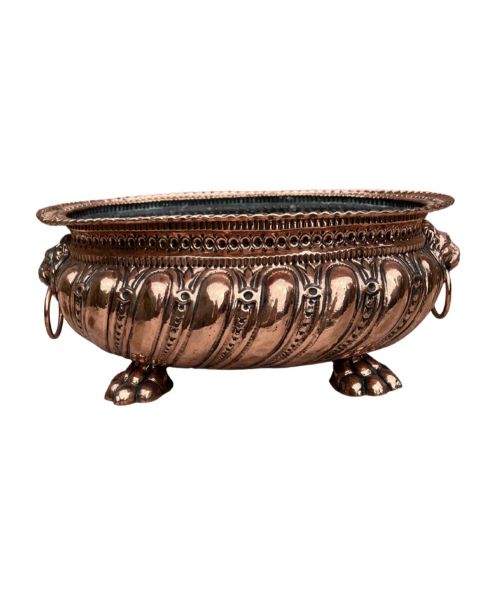
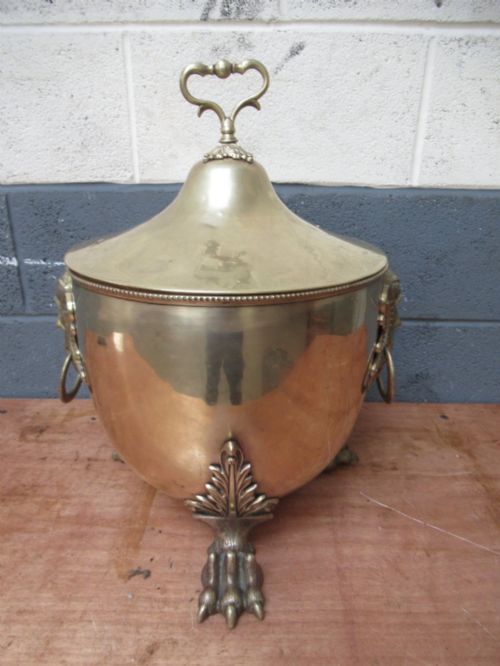
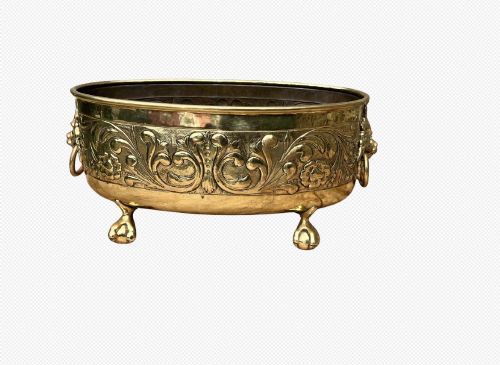
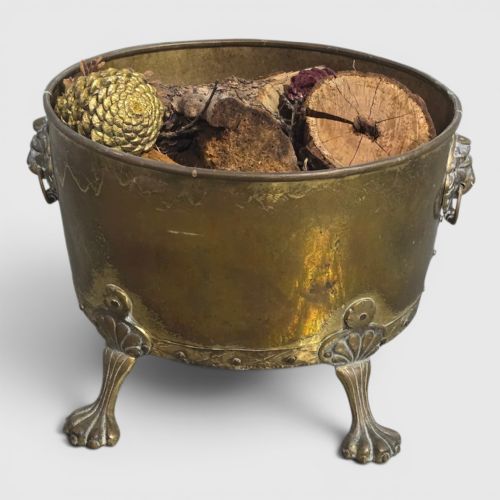
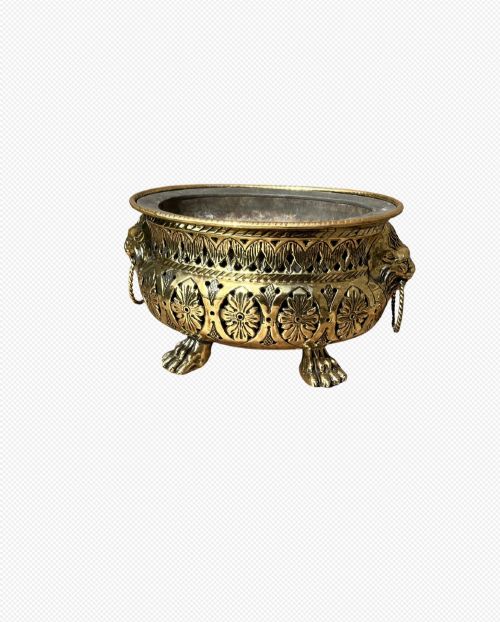
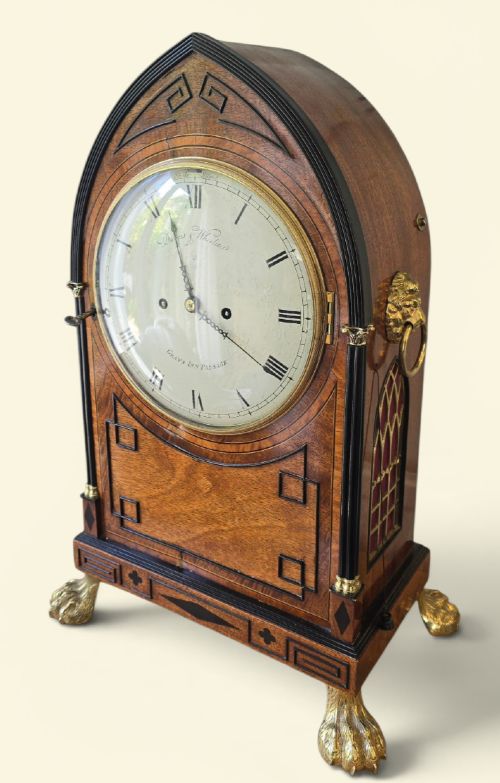
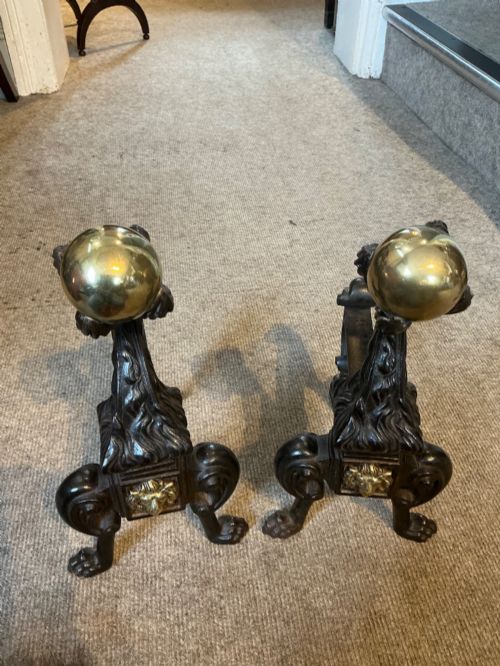
When you search for brass lion foot items, you encounter hearth furniture, planters, and lighting that use heavy cast supports styled as animal paws. These fittings appear frequently on 19th-century coal buckets, jardinières, and occasional furniture from the Georgian and Victorian eras.
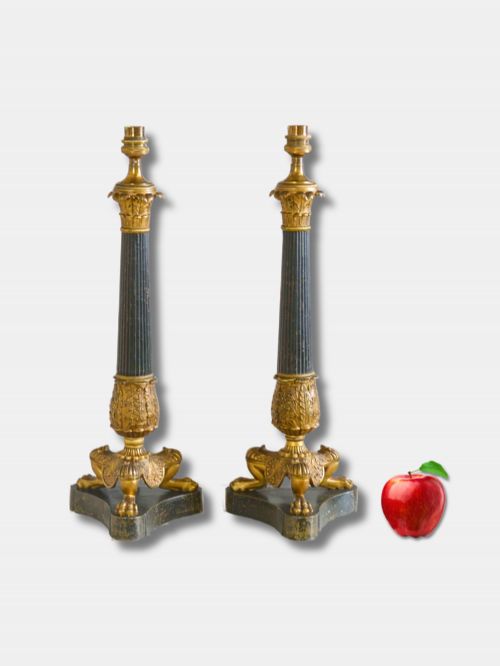
Jardinieres and log bins dominate the selections, alongside table lamps and writing desks that incorporate patinated bronze or brass mounts. Such items span English country house styles, Dutch traditional designs, and French Empire influences across the eighteenth and nineteenth centuries.
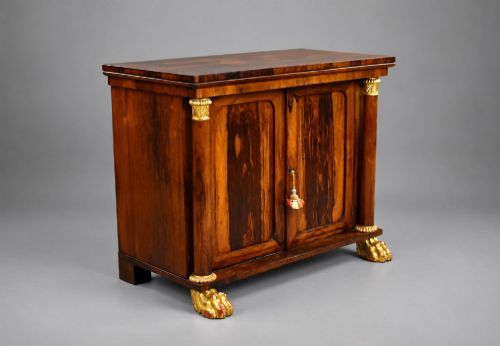
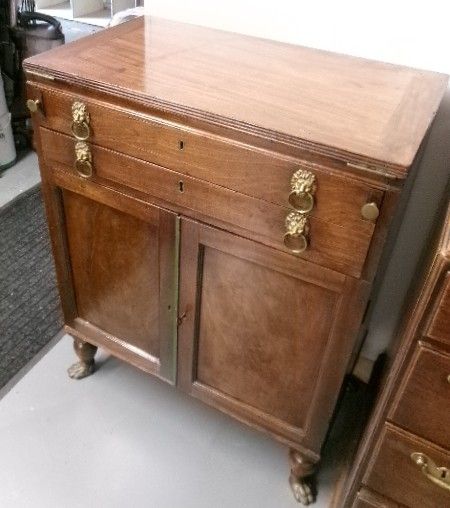
The objects serve practical domestic roles while showcasing decorative metal casting. Whether applied to a mahogany writing desk or a pierced cylindrical planter, the paw motif anchors the design to classical furniture traditions.
Materials and construction methods
Craftsmen utilised cast brass, ormolu, and patinated bronze for the foot mounts, combining them with sheet copper, mahogany, ebony, and marble bodies. Repoussé and embossing techniques create detailed surface patterns on planters and coal buckets, while piercing produces openwork friezes.
Cabinetmakers integrated metal feet into wooden furniture like tea caddies, sofa tables, and desks using concealed screws or brackets. Heavy fireside containers relied on riveted sheet construction to support damp logs and coal without leaking.
Brass Lion Foot Retail Price Guide 2026
Typical asking prices for brass lion foot among the pieces listed under this phrase on Sellingantiques today, from the lower quarter to the upper quarter. They describe what is for sale here now, not the wider market.
Some nineteenth-century brass planters sport surprisingly fierce animal heads alongside their paw feet to guard your ferns.
Markers of distinction in design
Quality rests in the crispness of the metal casting and the depth of the chased detail on the lion paws. Superior examples display sharp claws and fur texture rather than soft, smoothed surfaces resulting from worn moulds.
Integration between the metal feet and the primary body dictates the overall integrity of the piece. Well-balanced proportions and heavy-gauge brass or copper distinguish finer decorative items from lighter commercial production.
Desbois and Wheeler
The Brass Lion Foot Glossary
- Jardiniere
- An ornamental pot or stand for holding plants or flowers. These vessels often feature brass bodies with embossed or pierced decoration.
- Ormolu
- Gilded bronze applied to furniture mounts and decorative objects. This technique creates a bright gold appearance on metal fittings.
- Repoussé
- A metalworking technique where the artisan hammers the design from the reverse side to form raised patterns. This method appears frequently on decorative coal buckets and planters.
- Dinanderie
- European brass and copper hollowware produced from the Middle Ages onwards. The term applies to antique embossed vessels and domestic containers.
- Aesthetic Period
- A late nineteenth-century movement emphasising visual beauty over narrative content. Pieces from this era focus on form and material quality.
Brass Lion Foot: Frequently Asked Questions
What are brass lion foot pieces?
These items are period containers, lighting, and furniture supported by cast metal paw feet. They originate from the eighteenth, nineteenth, and early twentieth centuries.
Craftsmen used materials like brass, copper, mahogany, and ormolu to construct domestic objects that combined utility with classical decorative motifs.
How were log bins and jardinières used?
Fireside bins held coal or wood near the hearth within country houses and parlours. Jardinieres accommodated potted plants to bring greenery into interior rooms.
Both object types combined robust materials with ornamental metalwork to withstand daily domestic wear while remaining visually striking.
How do I live with antique metal accessories?
These pieces integrate easily into contemporary and traditional interiors as functional storage or decorative accents. Their dark patinated surfaces require minimal maintenance beyond gentle dusting.
Placing heavy items on stable surfaces protects vulnerable flooring, while copper and brass liners prevent moisture damage inside planters.
How can I tell the period of these items?
Dating relies on construction methods, fastener types, and stylistic indicators such as Regency proportions or Victorian repoussé patterns. Cabinet timber and patination provide further clues to age.
Early pieces often display hand-beaten sheet metal and heavy cast bronze components, whereas later items show standardised machine finishing.