

Brass Lantern Fixture
A brass lantern fixture brings warm light and formal structure to an entrance hall or high-ceilinged room.
Brass Lantern Fixture
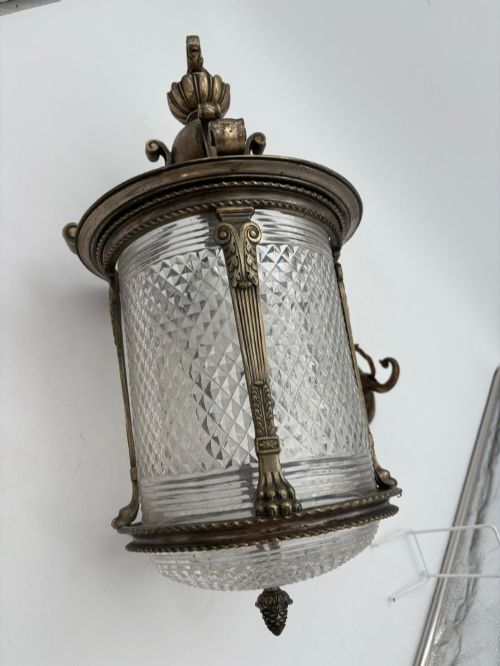
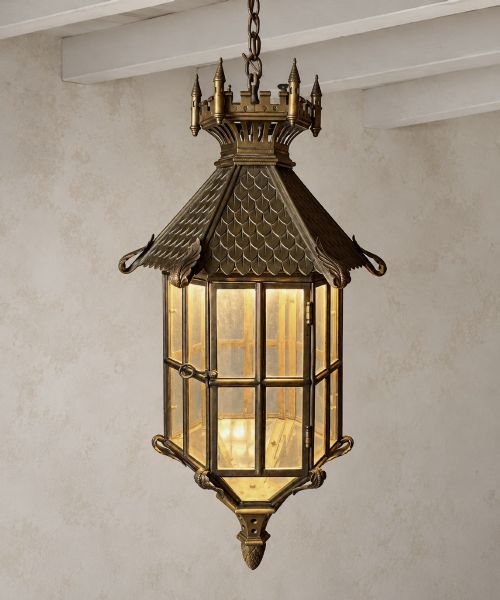
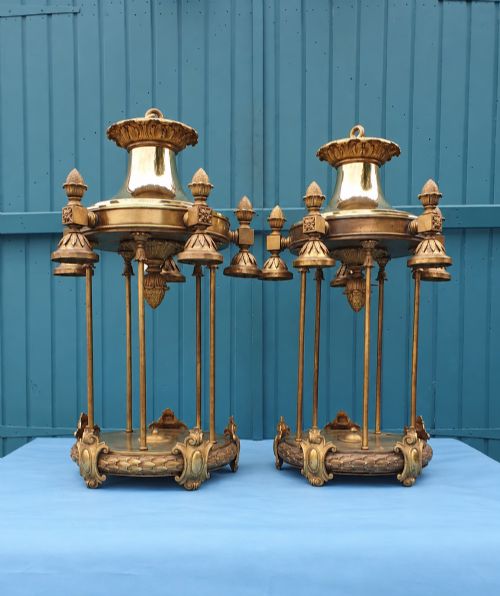
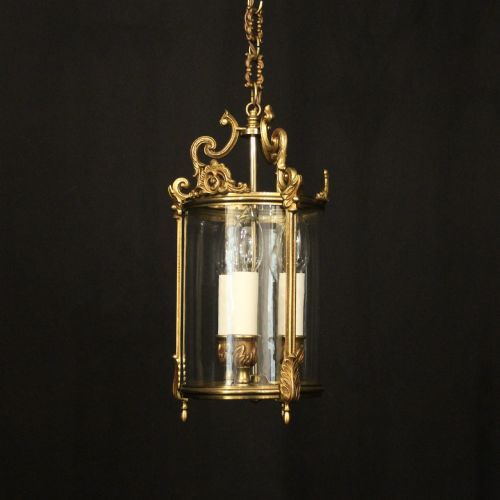
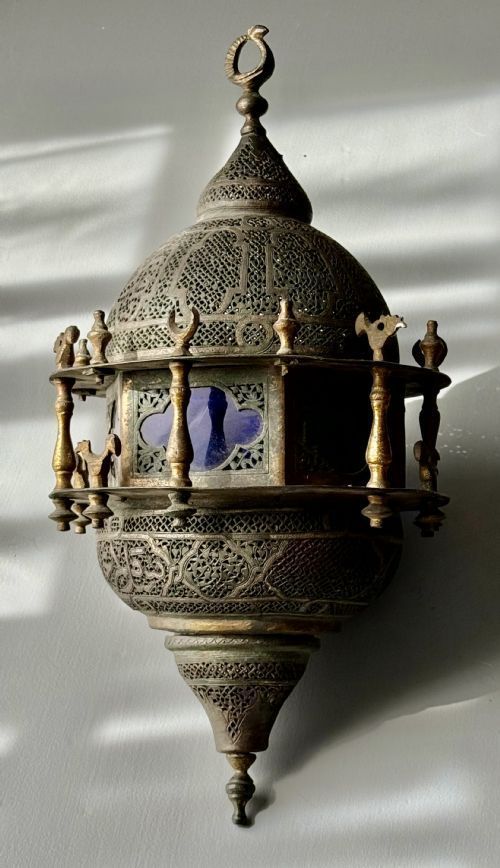
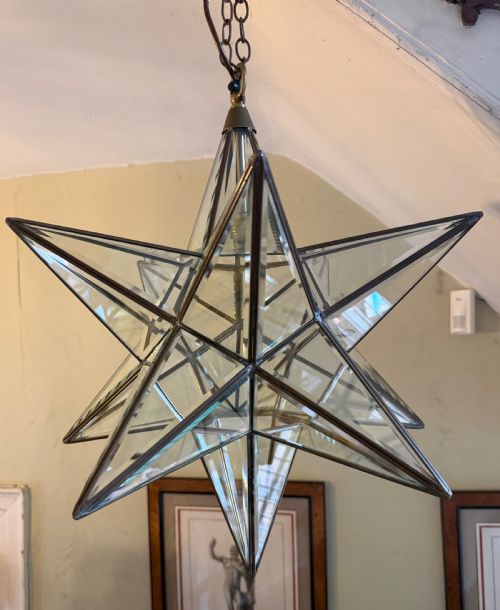
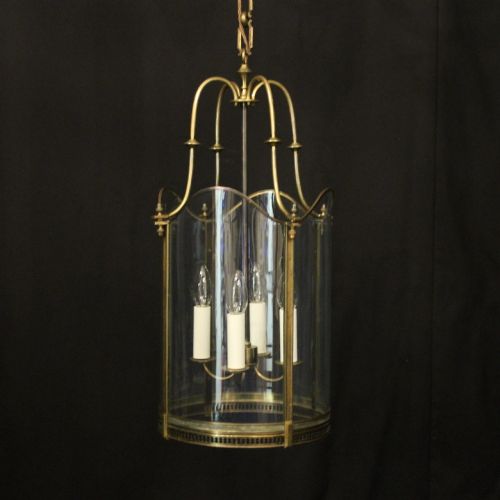
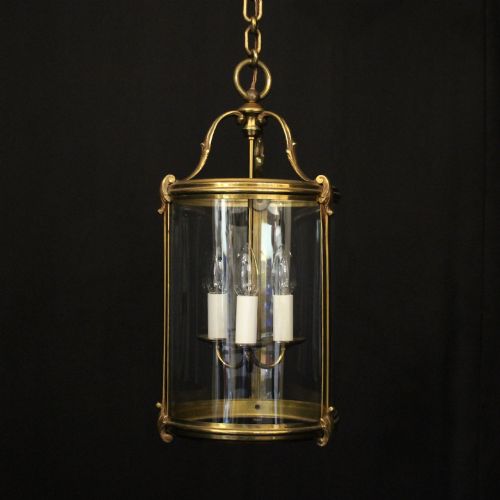
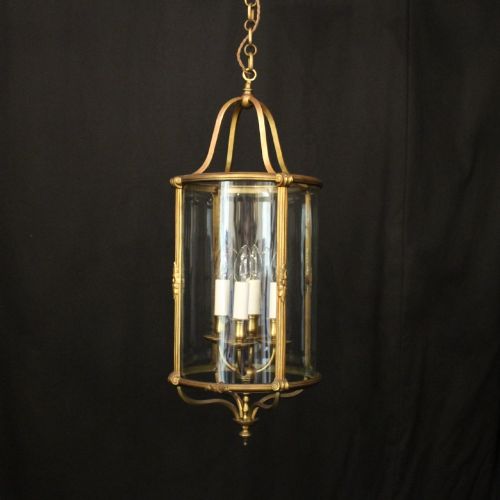
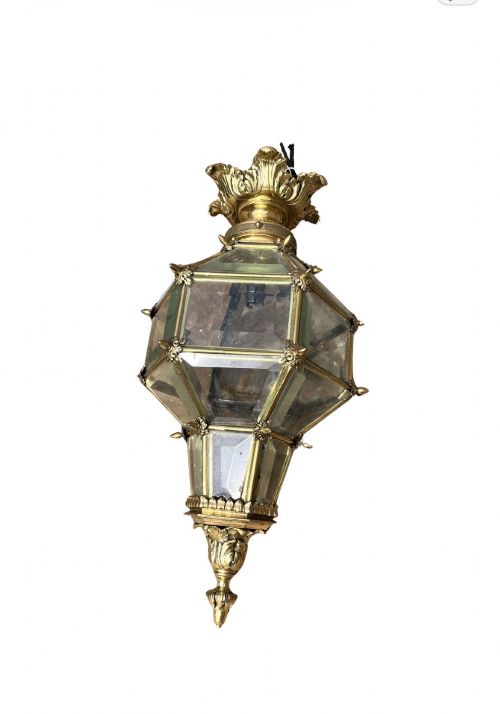
A brass lantern fixture is a hanging lighting piece designed to illuminate hallways, porches, and grand staircases. These objects span from the Victorian and Edwardian eras into the Art Deco period, drawing on French Neoclassical, Arts and Crafts, and Moorish design traditions. Buyers encountering this selection will frequently find French gilded bronze and brass hall lanterns alongside English hexagonal and star-shaped hanging lights.
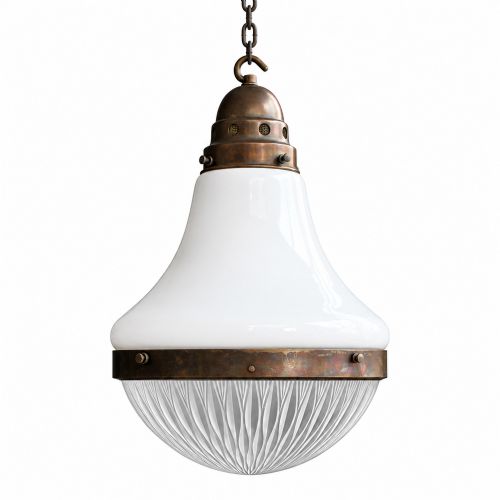
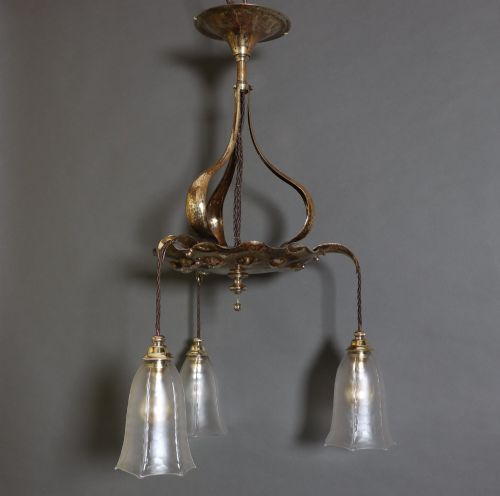
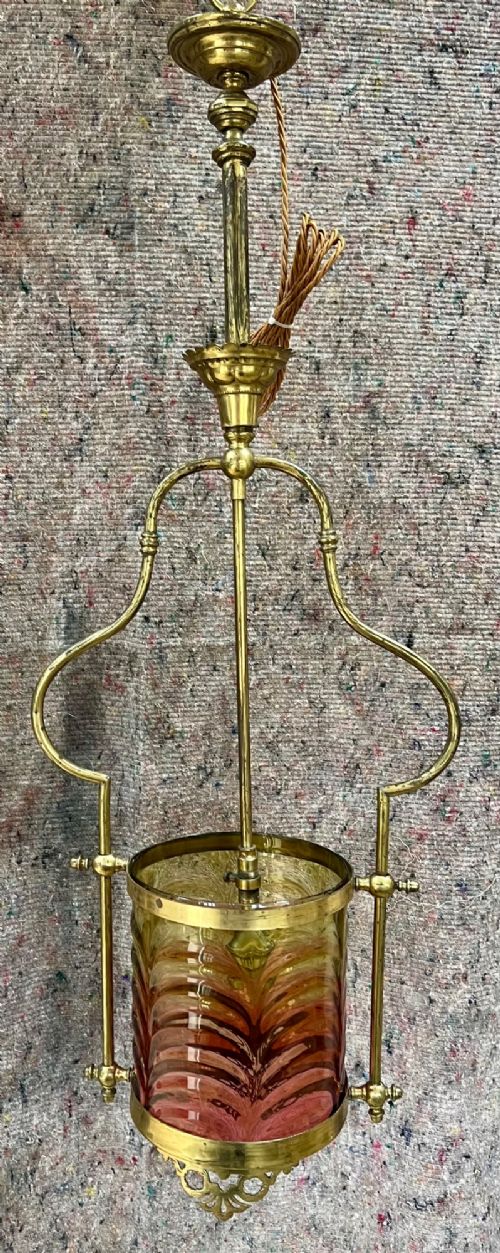
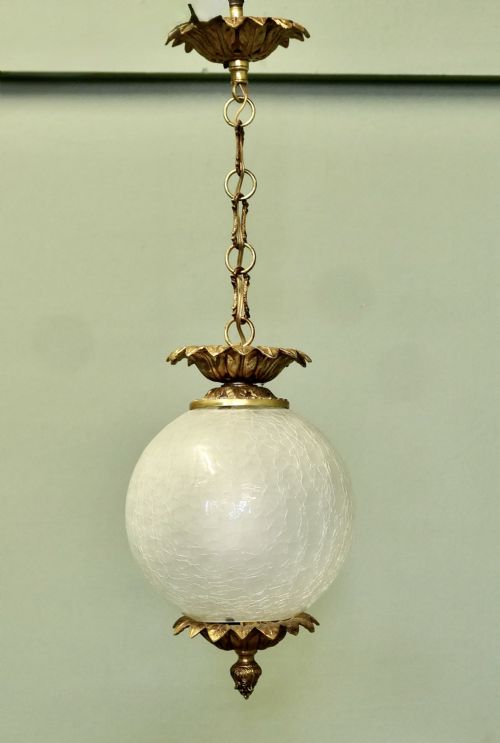
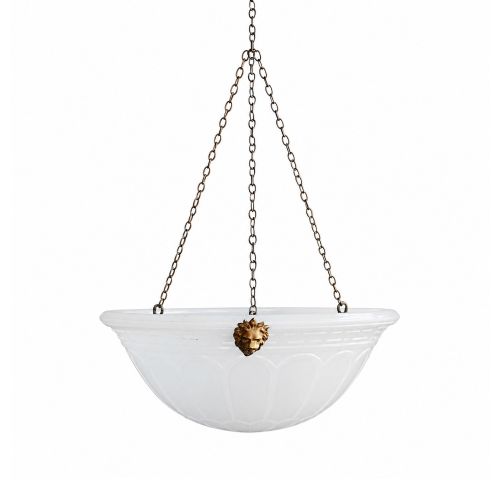
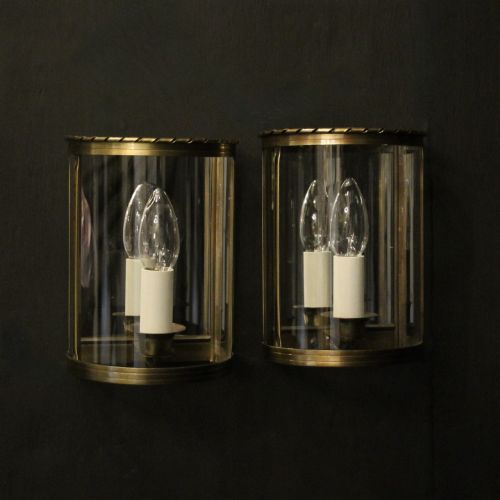
The primary forms take shape as pendant lights, ceiling lanterns, and multi-light chandeliers suspended from chains or rigid rods. Many pieces utilise glazed panels, ranging from simple bevelled glass to coloured, leaded, or opaline panes that soften the internal illumination. Examples vary from restrained Arts and Crafts copper and brass constructions to ornate Louis XVI style cut glass and gilt bronze models.
Materials and construction
The foundational frames are constructed from cast or sheet brass, bronze, copper, and occasionally steel, often finished with fire-gilding or left with a natural metallic sheen. Frames are assembled using soldered joints, rivets, or threaded fixings to hold the structural metalwork rigid against the weight of glass panels.
Glazing techniques involve fitted panes of bevelled, leaded, stained, or convex glass secured by internal glazing bars or metal tabs. Pierced brass variations require meticulous hand-cutting and punching of metal sheets to create intricate geometric or floral patterns that project light outward.
Brass Lantern Fixture Retail Price Guide 2026
Typical asking prices for brass lantern fixture among the pieces listed under this phrase on Sellingantiques today, from the lower quarter to the upper quarter. They describe what is for sale here now, not the wider market.
Listings feature brass lantern fixtures spanning the Victorian, Edwardian, and Art Deco periods, alongside nineteenth-century examples.
Assessing quality in construction
Quality reveals itself in the weight and substance of the metal frame, where heavier cast bronze and thick brass maintain structural integrity far better than thin pressed sheet metal. Superior examples feature crisp chasing and fine detail in the cast mounts and decorative foliage, avoiding the soft edges seen in hurried production.
The integration of the glass panels indicates the standard of the piece, with tightly fitted bevelled or convex panes showing deliberate craftsmanship. High-grade fixtures maintain balanced proportions between the metal framework and the glass insert, ensuring the suspension mechanism supports the weight securely.
Perry & Co
The Brass Lantern Fixture Glossary
- Convex glass
- Curved glass panes that bulge outward, adding optical depth and wide light dispersion to hall lanterns. This technique requires specialist glass-blowing and moulding skills.
- Gilt bronze
- Bronze metal treated with a thin layer of gold or gold-coloured alloy to produce a rich, durable surface finish. It is frequently found on French Neoclassical and Louis XVI style fixtures.
- Leaded glass
- Individual pieces of glass joined together with lead cames to form decorative windows within the lantern frame. This method provides flexibility and strength for complex geometric designs.
- Moorish revival
- A decorative style incorporating intricate pierced metalwork, geometric fretwork, and Islamic architectural motifs popular in nineteenth-century interior design. Lanterns in this style cast patterned shadows across surrounding walls.
- Opaline glass
- A milky, translucent white glass that diffuses light evenly without harsh glares. It appears frequently in Victorian and Edwardian pendant lighting.
Brass Lantern Fixture: Frequently Asked Questions
Where should I hang a brass lantern fixture?
These fixtures suit transitional spaces such as entrance hallways, stairwells, and high-ceilinged porches where they command visual attention. Their enclosed design directs light downward while casting a soft glow through the glass panels.
Ensure the hanging height allows sufficient clearance underneath, particularly in narrow corridors or above walking paths. High ceilings benefit from longer suspension chains that bring the lantern into proper proportion with the room.
How do I date an antique brass lantern?
Dating relies on examining the metal composition, fastening methods, and stylistic cues from periods like the Victorian era or the Art Deco movement. Hand-cut components and heavy cast bronze typically indicate nineteenth or early twentieth-century manufacture.
Wiring methods and interior lamp holders often reveal later electrical updates, though the primary metal and glass framework retains its original period characteristics. Comparing decorative motifs such as neoclassical garlands or arts and crafts simplicity helps narrow the timeframe.
Are these lanterns suitable for modern electrical systems?
Most antique lanterns arrive adapted for contemporary electrical standards while preserving their historical exterior appearance. Internal lamp holders and wiring can be updated safely by a qualified electrician to accommodate standard modern bulbs.
Careful rewiring ensures the delicate internal frames and original suspension loops bear no unnecessary strain from modern cables. This allows historical fixtures to function reliably in everyday domestic settings.
How do I clean and maintain glass and brass?
Maintenance involves dusting the metal framework with a soft, dry cloth to prevent the accumulation of grime on intricate castings. Avoid abrasive chemical cleaners that can strip historical patina from brass, bronze, or copper surfaces.
Glass panels can be removed carefully or wiped in place using a mild glass cleaner applied to a cloth rather than sprayed directly onto the fixture. This protects the surrounding metalwork from moisture damage and preserves the finish.