

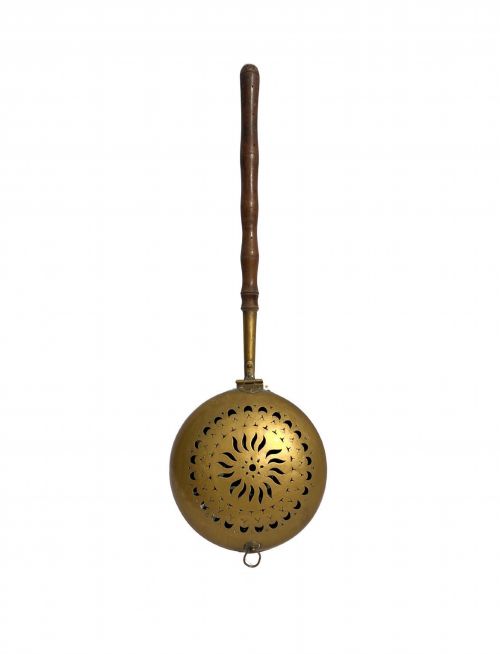


Brass Hearthware Accessory
A brass hearthware accessory brings warmth and polished metal character to a fireplace, and these pieces offer both utility and period style.
Brass Hearthware Accessory
A brass hearthware accessory covers functional and decorative items designed for the fireplace, ranging from coal scuttles and chestnut roasters to fire dogs and warming pans. When searching for a brass hearthware accessory, buyers encounter numerous Victorian pieces alongside examples from the Georgian era and early twentieth century. These objects served practical domestic purposes in managing coal, ash, and cooking by the fire.
The assortment on this page leans heavily toward coal scuttles and helmets, alongside pairs of fire dogs, andirons, and warming pans. Victorian designs predominate, though earlier Georgian and later Edwardian pieces also appear. Each object reflects the heavy use of metalwork beside the domestic hearth across different historical periods.
Evaluating quality and finish
Quality in these items is determined by the weight and gauge of the metal, the crispness of any cast ornamentation, and the integrity of historical repairs. Thicker brass and solid copper construction indicate superior domestic production.
Fine examples retain balanced proportions, original handles, and uncompromised joints rather than excessive replacement parts. The refinement of surface chasing and the neatness of hand-beating distinguish standard utility items from finer workshop pieces.
Brass Hearthware Accessory Retail Price Guide 2026
Typical asking prices for brass hearthware accessory among the pieces listed under this phrase on Sellingantiques today, from the lower quarter to the upper quarter. They describe what is for sale here now, not the wider market.
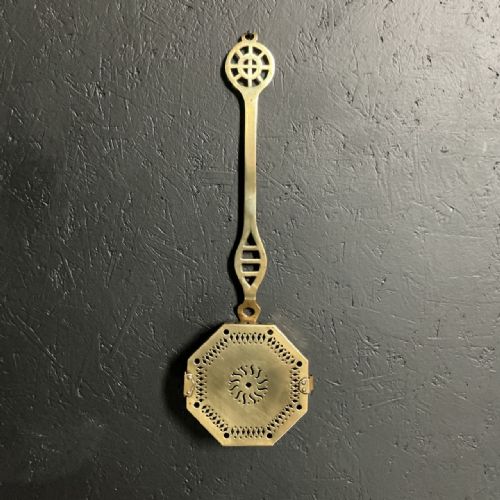
One nineteenth-century fireplace toaster comes complete with copper inlaid hearts to warm your toast and your affections simultaneously.
John Linwood of Birmingham
The Brass Hearthware Accessory Glossary
- Coal scuttle
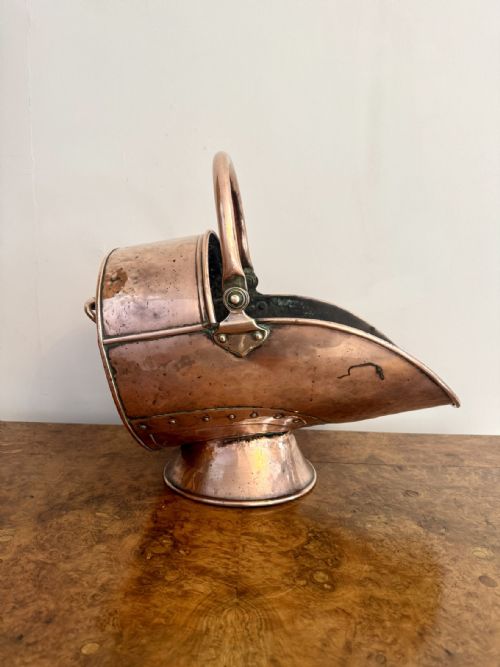
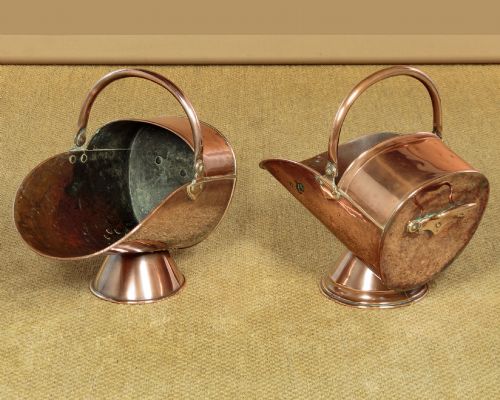
- A container designed for holding and transporting coal to the fire. Helmet scuttles feature a distinctive flared mouth resembling a classical helmet.
- Andirons
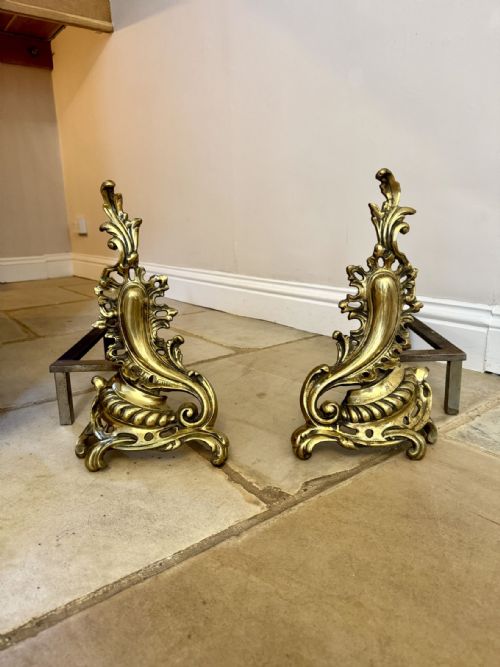
- Supports used to raise logs off the hearth floor to improve air circulation. Also known as fire dogs, they often occur in matched pairs.
- Warming pan
- A long-handled pan with a hinged lid used to warm bed sheets with hot coals. The flat brass or copper lid frequently displays engraved decoration.
- Companion set
- A matched group of fire irons, typically including tongs, a poker, and a shovel, kept together on a stand or hung near the hearth.
- Chestnut roaster
- A long-handled metal pan with a pierced lid designed for roasting chestnuts over open coals. They combine functional heat-resistant length with decorative brass work.
Brass Hearthware Accessory: Frequently Asked Questions
How do I clean a brass hearthware accessory?
Maintenance depends on whether you prefer a bright polished finish or an aged patina. Gentle cleaning with appropriate metal cleaner removes active grime without stripping historical character.
Avoid harsh abrasives that can thin the original brass or copper sheet work over time. A soft cloth and mild soapy water suffice for regular dusting.
Are these items suitable for an active fireplace?
Many of these pieces were built for daily use with coal and wood fires. Solid brass and iron items remain durable enough for modern hearth placement.
Consider whether you intend to use the item functionally or keep it purely decorative. Fragile handles or thin historical warming pans require careful handling if put near active heat.
How do I distinguish Victorian pieces from earlier Georgian ones?
Victorian examples often display heavier ornamentation, machine assistance in forming, and specific styles like French Rococo or Arts and Crafts. Georgian items tend to show simpler lines and heavier hand-hammered construction.
Examining the fixings, such as the type of rivets or screws used, helps confirm the manufacturing period. The evidence on this page spans from the mid-eighteenth century to the early twentieth century.