



Brass Hanging Chain
These brass hanging chain pieces are period lighting fixtures and mirrors designed to suspend securely from ceilings.
Brass Hanging Chain
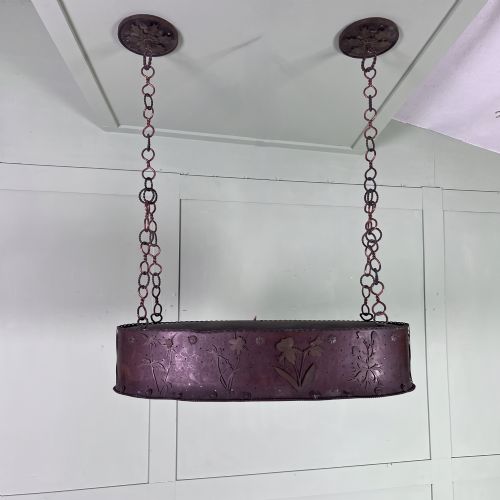
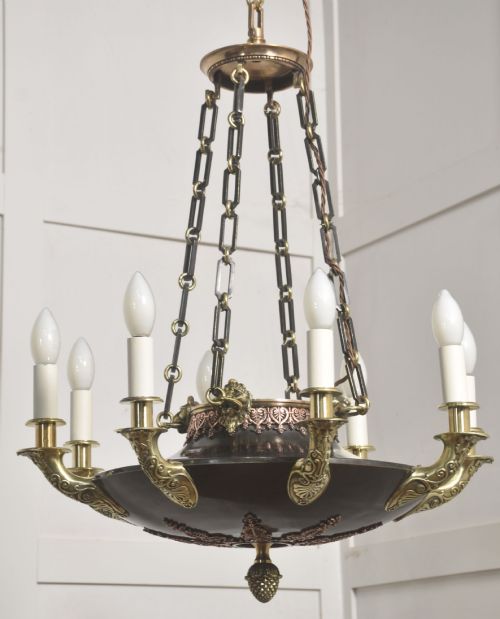
When you search for brass hanging chain, you encounter a selection of ceiling lights, wall mirrors, pendants, and lanterns originating from the Victorian era through to the 1930s. The assortment spans multiple recognised aesthetic movements including Arts and Crafts, Art Deco, Edwardian, Empire Revival, Hollywood Regency, and Neo-Classical.
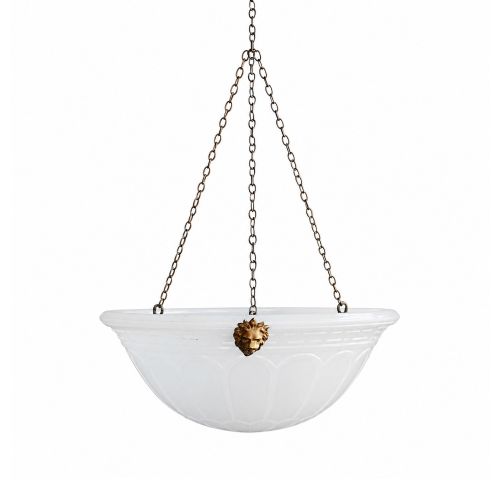
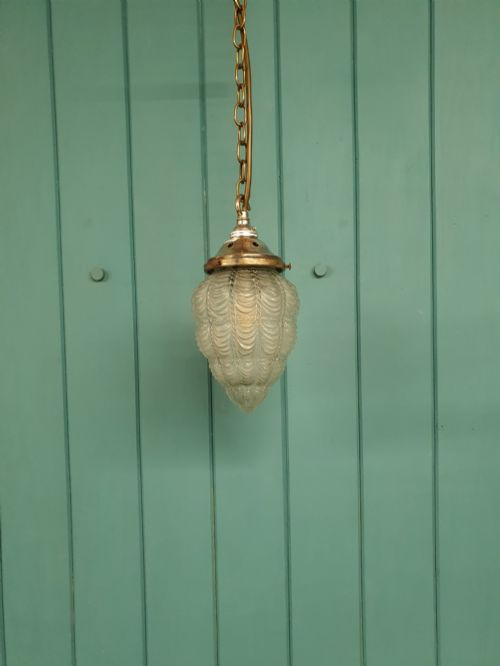
The objects themselves take the form of pendant lights, hall lanterns, ceiling bowls, and decorative wall mirrors rather than standalone hardware. You meet fixtures featuring glass shades, opaline bowls, moonstone glass, and leaded stained glass suspended on metal framework.
How they were made
Makers utilised brass and copper extensively for the structural components, lanterns, and mirror frames, combining these metals with lead and glass. The glass components include pressed, opaline, moonstone, stained, and coloured varieties formed into conical shades, bowls, and globes.
Construction methods incorporate traditional metalworking techniques alongside specialised glass production, such as Holophane shading and painted glass plafonnier finishes. These assembly methods ensure the fixtures support the weight of glass shades and alabaster dishes safely.
Brass Hanging Chain Retail Price Guide 2026
Typical asking prices for brass hanging chain among the pieces listed under this phrase on Sellingantiques today, from the lower quarter to the upper quarter. They describe what is for sale here now, not the wider market.
What varies in quality
The distinction between tiers rests upon the refinement of the metalwork and the character of the glass. Superior examples exhibit substantial brass framing, intricate detailing like rams heads, and high-grade optical or coloured glass.
Execution of the style influences overall standard, with pieces showing deliberate adherence to Arts and Crafts or Neo-Classical principles standing apart from simpler utilitarian items.
The Brass Hanging Chain Glossary
- Plafonnier
- A ceiling light fixture with a bowl-shaped shade mounted close to the ceiling or suspended by chains. These pieces diffuse light evenly across a hall or room.
- Holophane
- A type of glass shade moulded with prismatic ribs designed to direct and diffuse illumination efficiently. This patented glass appears frequently in early twentieth-century industrial and domestic pendants.
- Opaline glass
- An opaque or translucent white glass used extensively for pendant shades and ceiling lights. It softens bulb glare while maintaining high light transmission.
- Alabaster
- A fine-grained mineral stone carved into shallow dishes or bowls for ceiling lighting. It provides a natural, translucent surface when illuminated from above.
Brass Hanging Chain: Frequently Asked Questions
How do I hang a heavy antique lantern?
Suspension requires locating a ceiling joist or installing a proper structural anchor capable of supporting the combined weight of the metal frame and glass. Professional installation ensures the electrical wiring and load-bearing components meet safety standards.
Matching the drop length to your ceiling height involves adjusting the supporting chain links before final connection. Take care to balance the fixture so it hangs level.
Can I shorten the suspension chain?
Adjusting the length is generally possible by opening the links of the chain carefully with appropriate tools. Ensure you retain enough drop for the fixture to clear doorways and foot traffic.
Excess electrical wire should be neatly tucked into the ceiling canopy or shortened by a qualified electrician. Avoid forcing rigid links, as this can weaken the antique metal.
What rooms suit a brass hall lantern?
Entrance hallways and stairwells provide ideal settings for hanging lanterns and pendant lights because they draw the eye upward and illuminate transitional spaces. Lower ceilings benefit from close-fitting plafonniers or shallow bowl shades.
Matching the period style of the light to your interior architecture creates a cohesive look. Edwardian and Victorian homes naturally complement these traditional brass and glass fixtures.
How do I clean antique brass and glass?
Dust metal components gently with a dry microfibre cloth to preserve any patination accumulated over the decades. Avoid abrasive polishes that strip historical surfaces from the brass.
Glass shades can be removed and washed in warm, soapy water before being dried thoroughly. Handle delicate items like moonstone or stained glass with care during cleaning.