





Brass Hanging Ceiling Lamp
A brass hanging ceiling lamp brings immediate warmth and historical character to a room, casting direct or diffused illumination from above.
Brass Hanging Ceiling Lamp
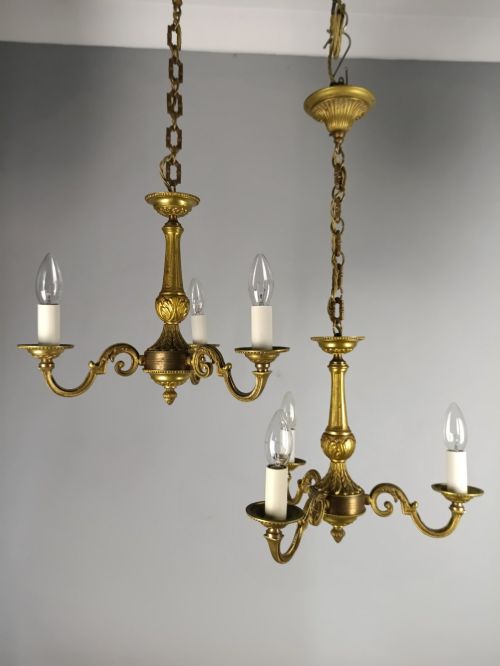
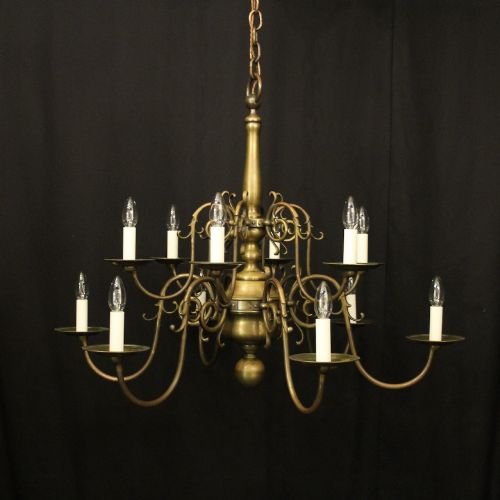
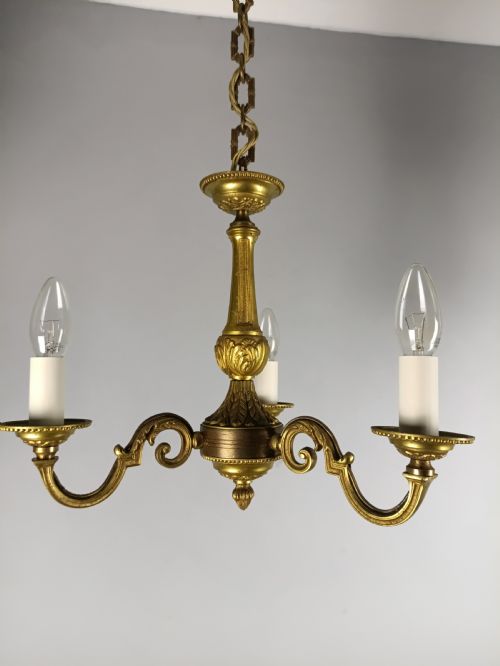
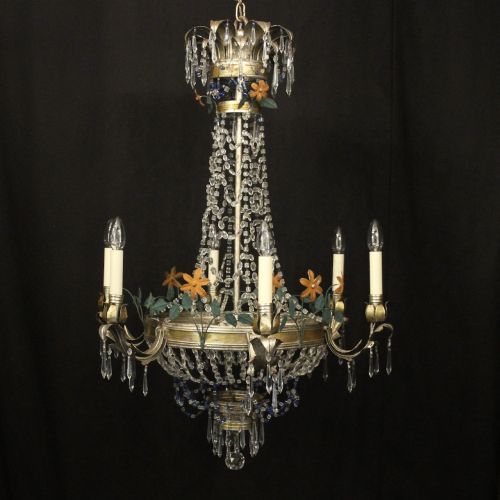
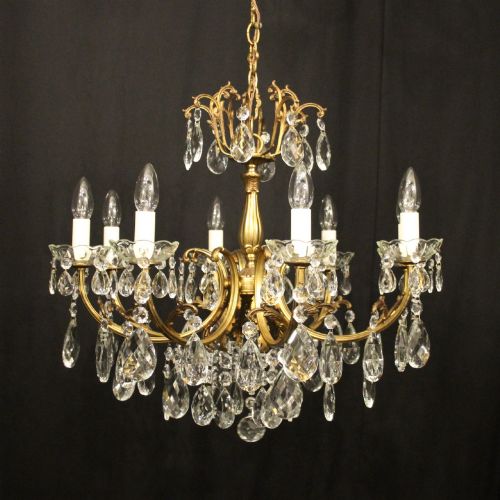
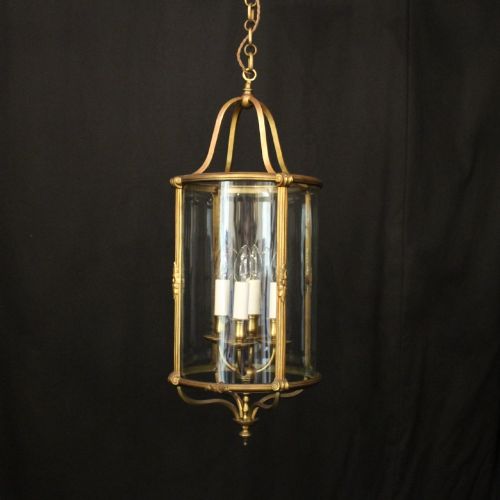
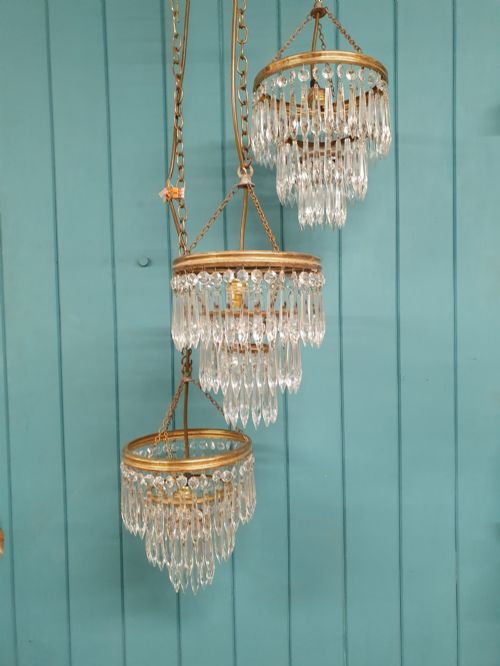
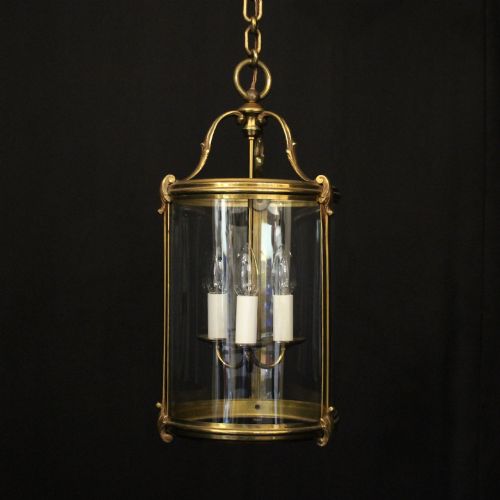
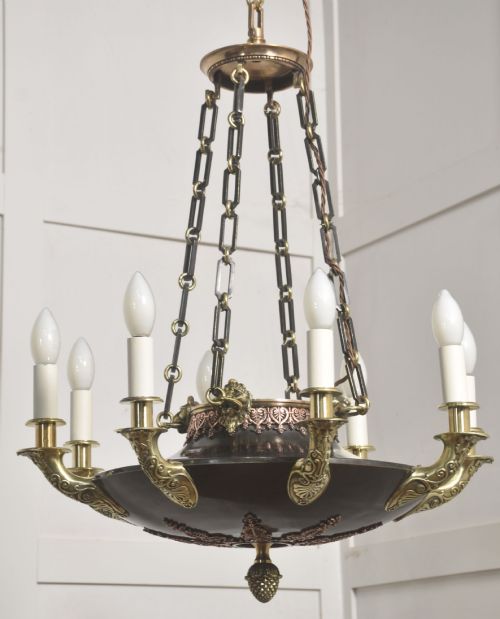
When you search for a brass hanging ceiling lamp, you encounter a diverse array of overhead lighting forms spanning the Victorian, Edwardian, and Art Deco periods, alongside 19th-century designs. These pieces range from multi-armed chandeliers and single pendants to intricate hall lanterns and nautical pendants.
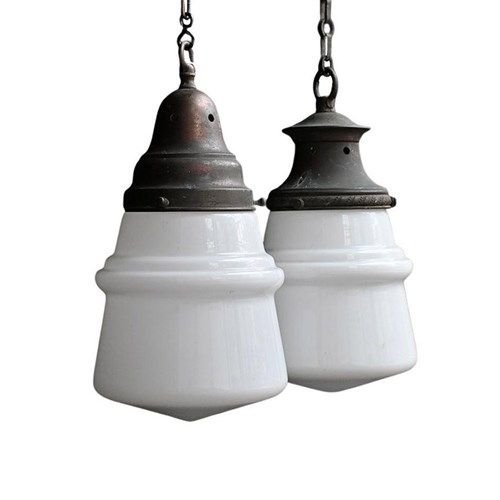
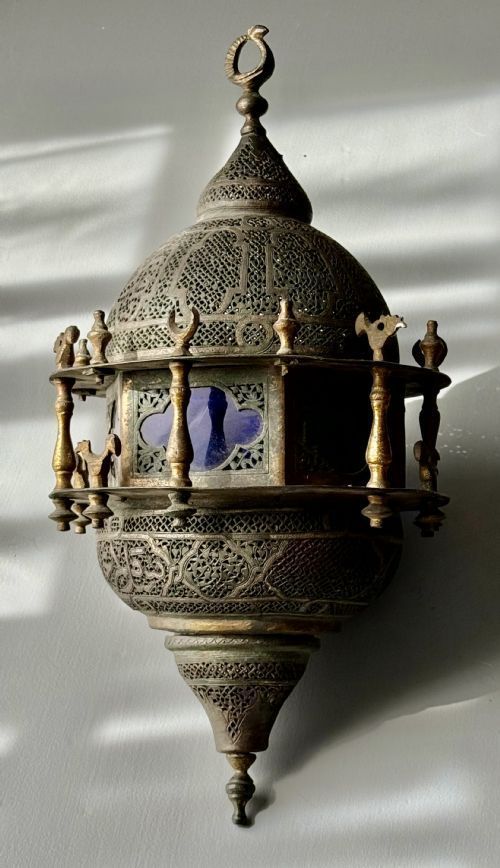
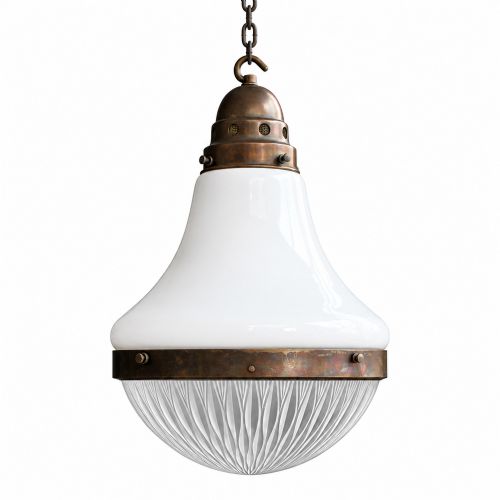
The most common variations on this page include French gilded bronze and brass chandeliers, Moorish pierced lanterns, and industrial or opaline glass pendants. They originate from British, French, Italian, and Dutch workshops, reflecting styles from French Neoclassical and Rococo to Empire Revival and Art Nouveau.
Buyers often select these ceiling lights to anchor a room with period authenticity, choosing between open brass frames, enclosed glass globes, and elaborate crystal-drop configurations.
How they were made
Makers constructed these fixtures primarily from cast and spun brass, copper, and gilt bronze, frequently combining metal frames with blown, cut, leaded, or opaline glass panels and crystals. Structural elements involved hand-piercing, casting, and soldering metal components to support glass shades and multi-light configurations.
Surface treatments included gilding, silver gilding, and the natural ageing of unlacquered brass and copper, while electrical adaptations or original paraffin hardware such as Hinks burners show the functional evolution of the lighting.
Brass Hanging Ceiling Lamp Retail Price Guide 2026
Typical asking prices for brass hanging ceiling lamp among the pieces listed under this phrase on Sellingantiques today, from the lower quarter to the upper quarter. They describe what is for sale here now, not the wider market.
Some Victorian railway and nautical lanterns kept maritime corridors bright while enduring decades of salt spray and rough seas.
What varies in quality
Quality in these ceiling fixtures rests upon the crispness of the brass casting, the weight of the metal frame, and the complexity of hand-work such as pierced gallery patterns or chased enrichment. Heavier gauges of brass and bronze indicate superior structural integrity, particularly in multi-light chandeliers and large hall lanterns.
The refinement of the glass components - ranging from thick bevelled panels and hand-painted shades to high-clarity crystal drops and moulded opaline glass - distinguishes standard production pieces from finer workshop examples.
The Brass Hanging Ceiling Lamp Glossary
- Opaline glass
- A type of semi-translucent milky glass often utilised in 20th-century pendants to soften and diffuse light evenly.
- Hall lantern
- An enclosed hanging light, frequently glazed with glass panels, designed specifically for entryways and narrow corridors.
- Gilt bronze
- Bronze metal that has been coated with a thin layer of gold, commonly seen on French chandeliers and decorative mounts.
- Hinks burner
- A specific type of duplex oil lamp burner patented in the 19th century, found on period paraffin hanging lamps.
- Pierced brass
- Metalwork decorated by cutting or piercing patterns directly through the brass sheet, characteristic of Moorish revival designs.
Brass Hanging Ceiling Lamp: Frequently Asked Questions
How do I hang a heavy brass chandelier?
Suspension requires securing the fixture directly into a ceiling joist or using a heavy-duty ceiling hook rated for the weight of the metal and glass.
Consulting a qualified electrician ensures the wiring and structural support meet safety standards for heavier period pieces.
Can these antique lamps use modern bulbs?
Most pieces accept standard modern LED or incandescent bulbs once rewired to contemporary electrical standards by a professional.
Retaining the original sockets is sometimes possible, but modern internal wiring is essential for safe domestic daily use.
How do I clean an antique brass lamp?
Dusting gently with a soft dry cloth preserves the aged patina and prevents any abrasive damage to the unlacquered metal or gilding.
Chemical metal polishes should generally be avoided on antique brass to maintain the historic surface character accumulated over decades.
What rooms suit a hall lantern best?
Hall lanterns provide focused vertical illumination that suits entryways, stairwells, and high-ceilinged corridors exceptionally well.
Their enclosed glass panels protect the light source from drafts while casting decorative shadows across surrounding walls.