



Brass Handles Console Table
Brass handles console table choices combine timber frames with metal hardware across Georgian and Edwardian periods.
Brass Handles Console Table
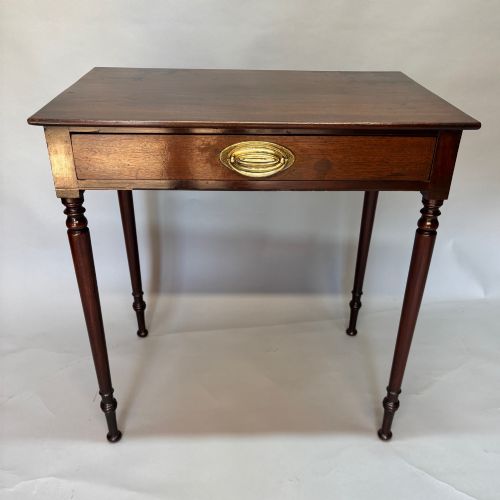
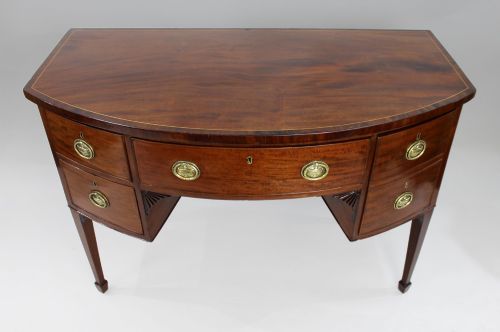
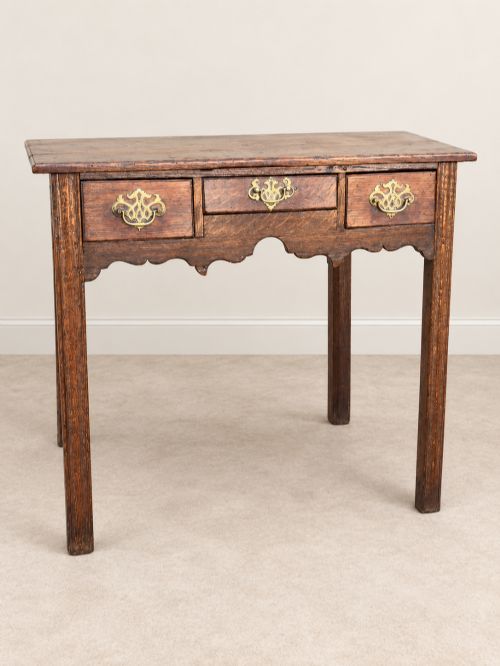
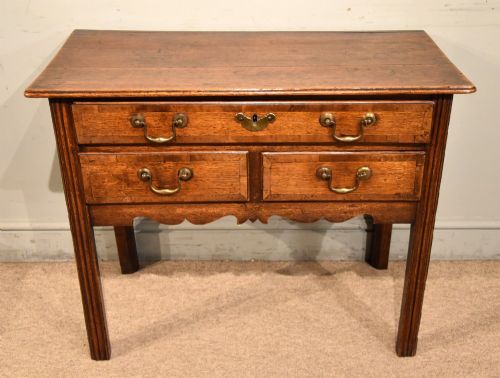
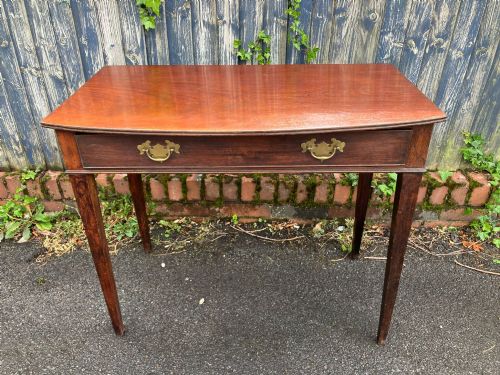
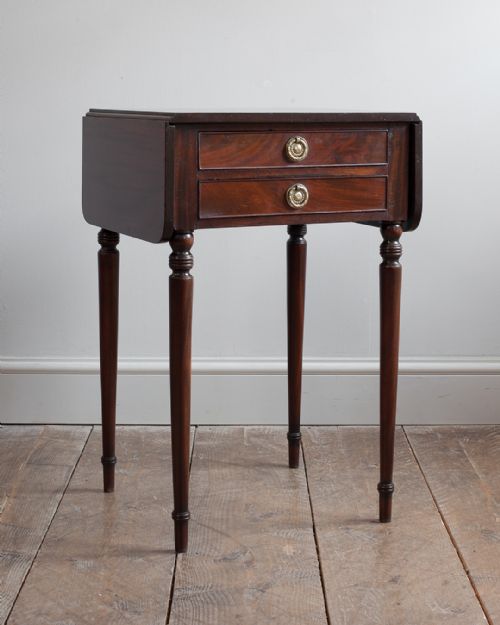
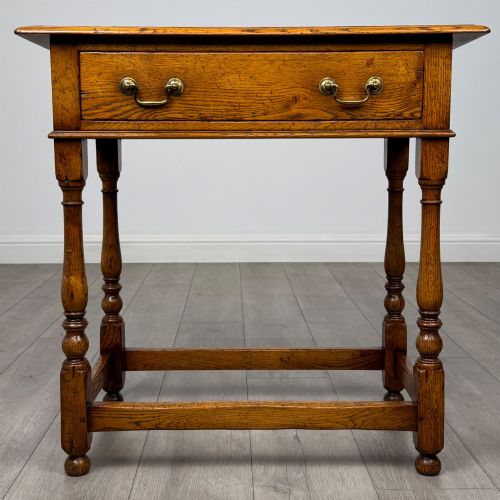
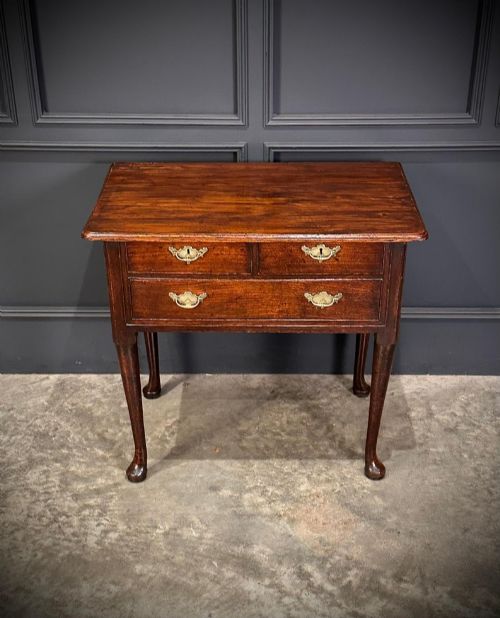
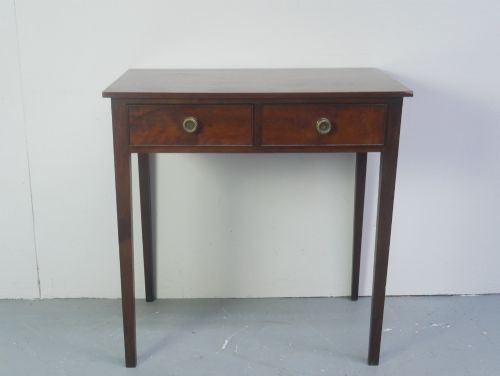
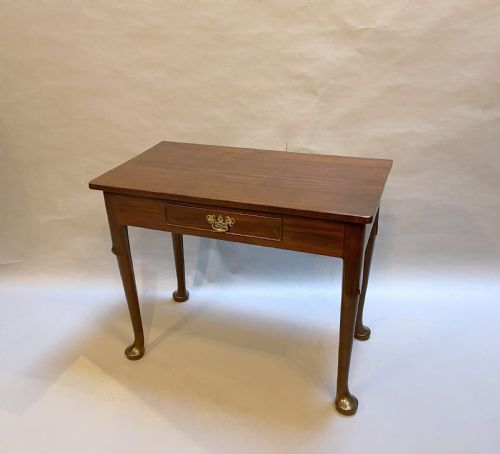
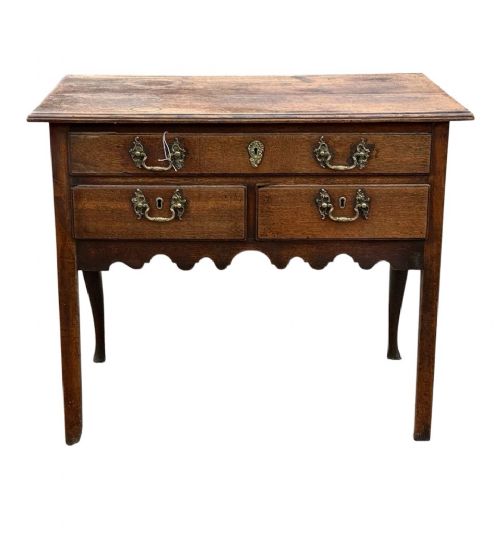
A brass handles console table appears on this page primarily through side tables, lowboys, and writing tables dating from the eighteenth and nineteenth centuries. These forms serve hallways and reception rooms as functional surface furniture with fitted drawers.
The selection ranges from early oak lowboys and Georgian walnut pieces to Edwardian mahogany writing tables and later burr walnut variants. Oak and mahogany dominate the structural timber choices across these periods.
Makers and workshops construct these tables in English country and formal styles, utilising boxwood and satinwood inlay details on select surfaces. The designs incorporate single or multiple drawers fitted with brass hardware.
Materials and construction methods
Craftsmen build the frames using solid hardwoods, predominantly oak and mahogany, alongside walnut and cherrywood. Timber selection dictates the structural weight and grain pattern of each table.
Makers incorporate brass for the drawer handles and mounts, fixed to the timber drawer fronts. Satinwood and boxwood inlay work appears on specific stylistic surfaces, adding contrast to the primary wood.
Brass Handles Console Table Retail Price Guide 2026
Typical asking prices for brass handles console table among the pieces listed under this phrase on Sellingantiques today, from the lower quarter to the upper quarter. They describe what is for sale here now, not the wider market.
One eccentric Regency design insists on reminding users that tables can possess distinct personalities.
Distinctions in quality and execution
Quality separates pieces through the selection of figured timber veneers and the crispness of inlay work. Finer examples display carefully matched grain patterns on drawer fronts and top surfaces.
Hardware execution marks another division in the range, where heavy cast brass handles and detailed backplates indicate superior workshop production. Simple cast hardware appears on more utilitarian country pieces.
The Brass Handles Console Table Glossary
- Lowboy
- A small table with drawers, typically standing on four legs and originating in the eighteenth century. These pieces often serve as dressing tables or side tables.
- Console table
- A table designed to stand against a wall, frequently used in halls and reception rooms. The form provides a narrow surface for display.
- Satinwood inlay
- A decorative technique using light-grained satinwood inserted into contrasting timber surfaces. This method creates geometric or floral borders.
- Burr walnut
- Timber taken from the burl growth of a walnut tree, showing swirling grain patterns. Cabinet makers utilise this wood for decorative table surfaces.
Brass Handles Console Table: Frequently Asked Questions
What is a lowboy table?
A lowboy is a small eighteenth-century table featuring one or more drawers and relatively short legs. Carpenters originally designed them for domestic use in bedrooms and dressing rooms.
Over time, these pieces transitioned into general living spaces and hallways to function as compact side tables. Their proportion makes them suitable for narrow circulation areas.
How do I style a console table?
Place the table against a hallway or living room wall where the narrow depth leaves floor space clear. Use the surface for lamps or decorative objects while keeping drawer storage accessible.
Pair the piece with traditional seating or wall mirrors that complement the timber period. The restrained proportions allow placement in various interior spaces.
What woods are used in these tables?
Makers rely heavily on oak and mahogany for the main structural frames and legs. Walnut, cherrywood, and burr walnut appear on finer examples from the eighteenth and nineteenth centuries.
Inlay work incorporates lighter timbers such as boxwood and satinwood to highlight drawer borders and tops. Brass hardware finishes the drawer components.
How do I date an antique table?
Examine the construction methods, timber choice, and hardware styles to determine the likely period of manufacture. Georgian pieces display specific leg profiles and drawer dovetailing techniques.
Later Edwardian and twentieth-century reproductions or adaptations often utilise different interior secondary woods. Comparing the brass handles to period examples helps confirm the age.