





Brass Hand Vessel
A brass hand vessel brings tangible metalwork history into a modern room, shaped by hands across centuries.
Brass Hand Vessel
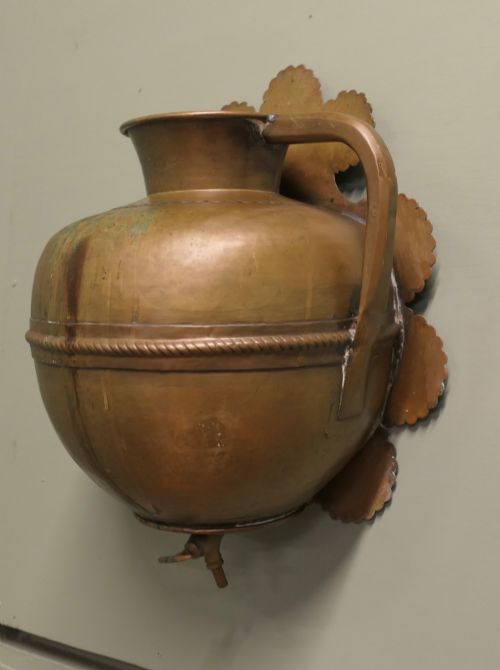
A brass hand vessel encompasses functional and decorative metal items originating from diverse traditions, spanning the 16th century through the Victorian era and the Arts and Crafts period. Buyers searching for a brass hand vessel encounter items ranging from Indian Raj period cachepots and bowls to Middle Eastern basins and European cauldrons or pans.
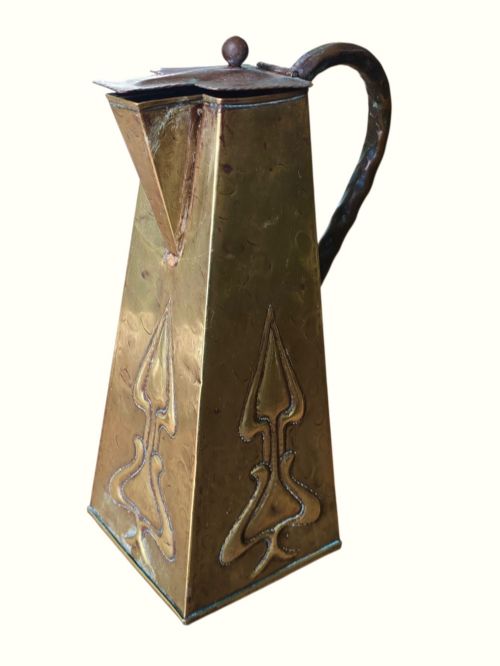
The objects take varied forms including jardiniere vessels, pitchers, cachepots, decorative bowls, and heavy display pans. Most examples date from the 19th century, featuring hand-engraved, hammered, or embossed surfaces shaped from brass, copper, and bronze.
Materials and construction methods
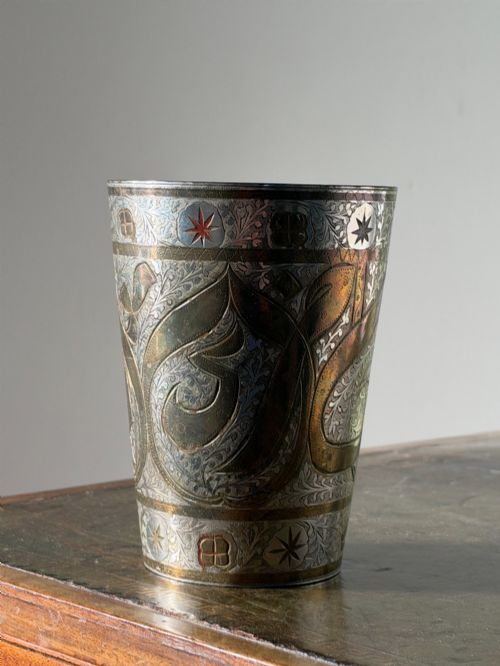
Makers shaped these vessels primarily from brass, copper, and bronze, often employing handbeaten, hammered, and embossed techniques. Riveted joints and deep hand-chased decoration appear frequently across Indian, Middle Eastern, and English pieces.
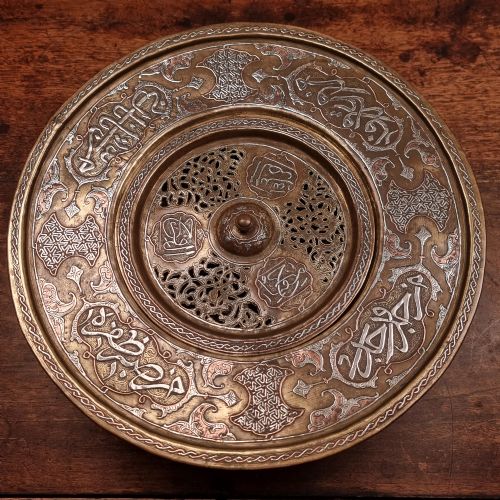
The material combinations display contrasting metals, such as copper bodies with brass fittings or silver inlaid details on bronze and brass surfaces. These manual processes leave distinct tool marks that record the physical creation of each container.
Brass Hand Vessel Retail Price Guide 2026
Typical asking prices for brass hand vessel among the pieces listed under this phrase on Sellingantiques today, from the lower quarter to the upper quarter. They describe what is for sale here now, not the wider market.
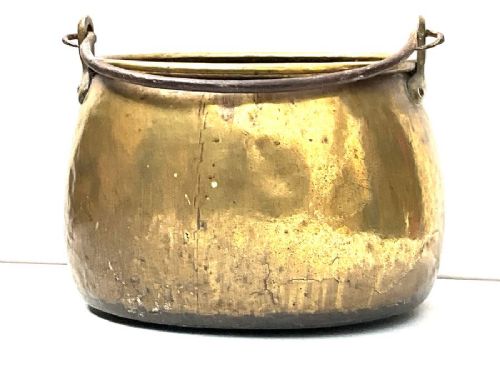
A sturdy nineteenth-century swing-handled pan makes a surprisingly charming umbrella stand by the front door.
Assessing quality in metal vessels
Quality reveals itself in the depth, crispness, and precision of the hand-engraved or chased decoration. Superior pieces maintain wall thickness and structural integrity despite heavy hammering.
The handling of joints, riveted seams, and surface patination distinguishes finer workshop output from simpler utilitarian items.
The Brass Hand Vessel Glossary
- Cachepot
- An ornamental container designed to hold a flowerpot. These vessels shield surfaces from moisture while displaying plants.
- Chasing
- A metalworking technique where the artisan hammers the front of the metal to sink the design and create relief. This method adds intricate texture to vases and bowls.
- Raj Period
- The period of British rule in the Indian subcontinent from 1858 to 1947. Metalwork from this era frequently incorporates deep hand-carved and chased motifs.
- Mamluk Revival
- A 19th-century stylistic movement imitating the inlaid brass and bronze metalwork of the medieval Mamluk sultanate. Pieces from this style exhibit elaborate geometric and calligraphic inlays.
Brass Hand Vessel: Frequently Asked Questions
How were these brass vessels used originally?
These metal containers served practical and decorative roles in households, ranging from cooking pots and water jugs to indoor plant holders and coal storage.
Many examples functioned as ceremonial wash bowls or display pieces within domestic and public spaces across different cultures.
Can I use a cachepot for live plants?
Most antique cachepots and jardinieres were designed to hold potted plants rather than soil directly.
Using a plastic or ceramic liner inside the metal vessel prevents moisture damage and preserves the interior surface.
How do I distinguish Victorian from earlier pieces?
Victorian metalwork often shows standardised manufacturing techniques alongside hand-finishing, reflecting industrial growth during the 19th century.
Earlier pieces from the 16th century or Georgian eras display distinct forging methods, heavier gauge metal, and simpler tool marks characteristic of smaller workshops.
What is Mamluk revival metalwork?
Mamluk revival pieces emulate the intricate silver and copper inlaid brass work produced in Egypt and Syria during the medieval period.
19th-century artisans recreated these complex geometric patterns and decorative bands with high technical skill.