

Brass Hall Fixture
A brass hall fixture provides concentrated downward illumination and structural character to an entranceway, bringing period presence to a threshold.
Brass Hall Fixture
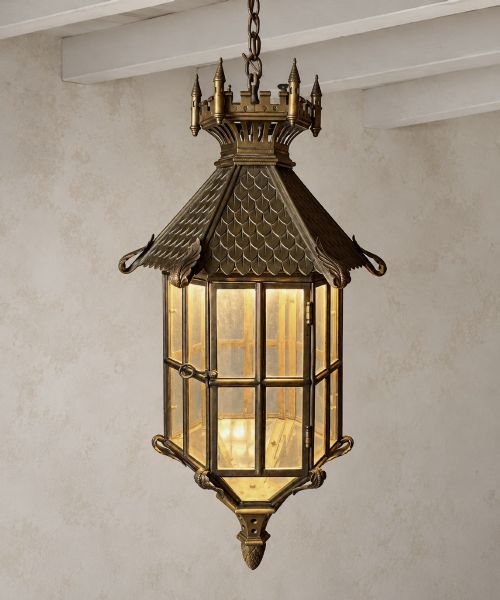
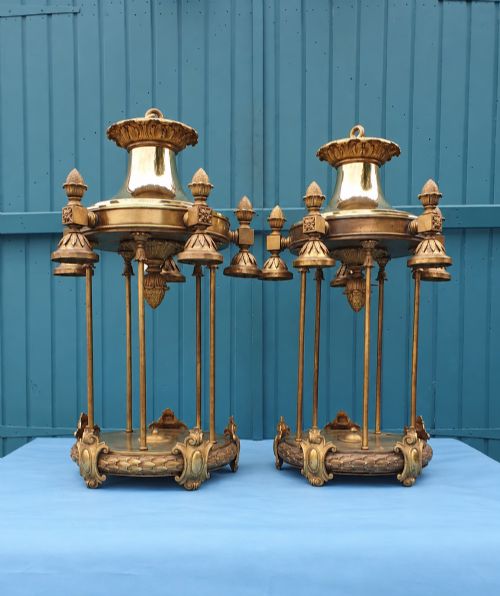
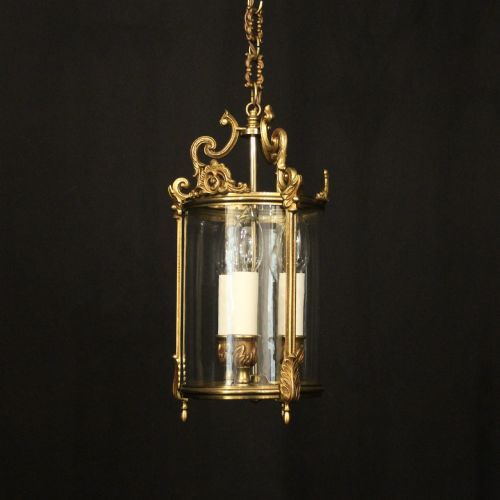
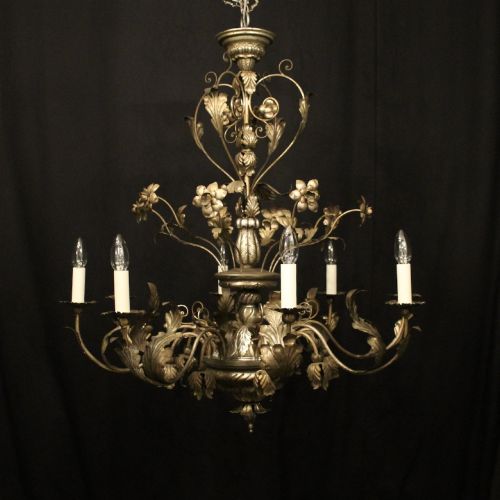
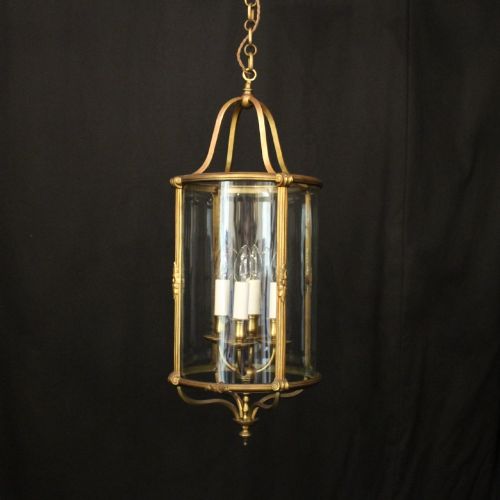
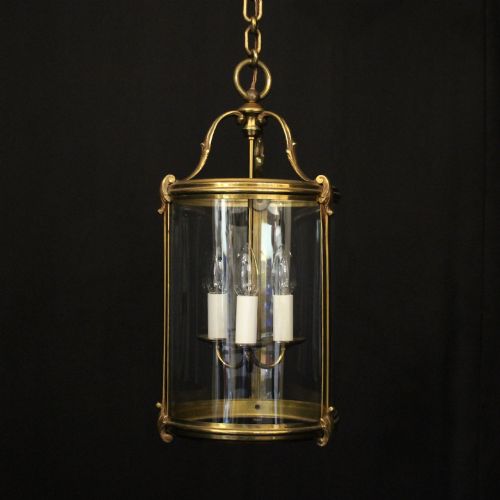
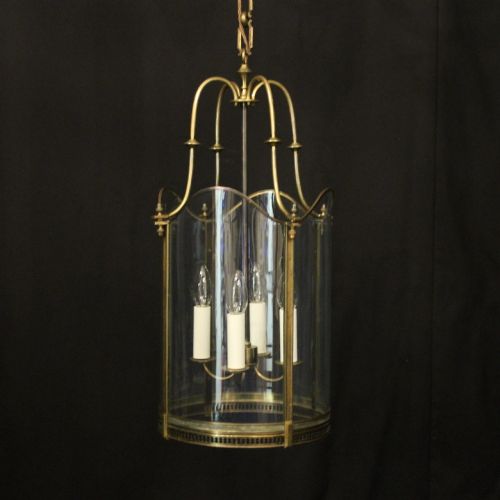
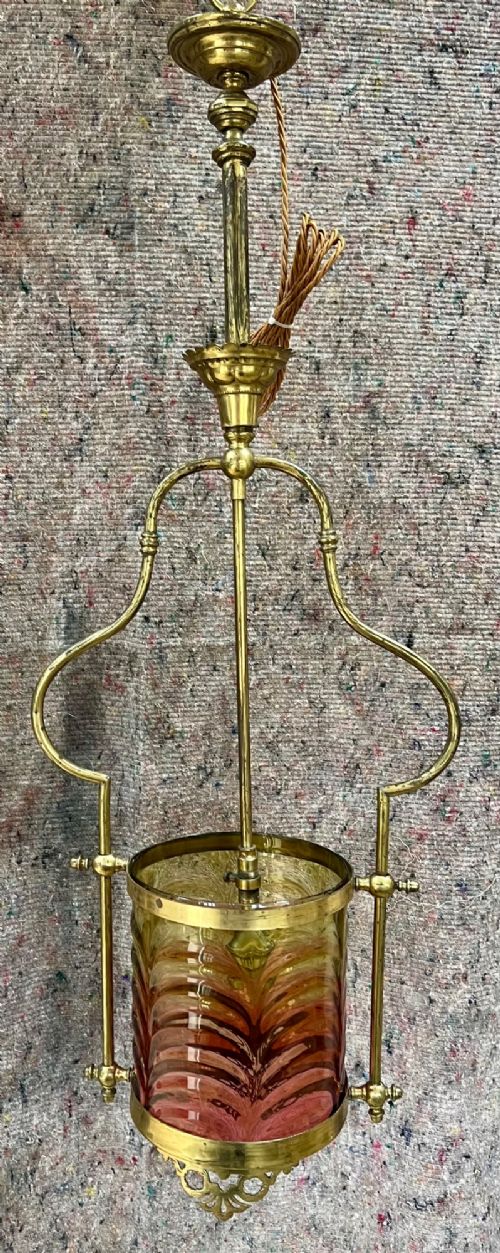
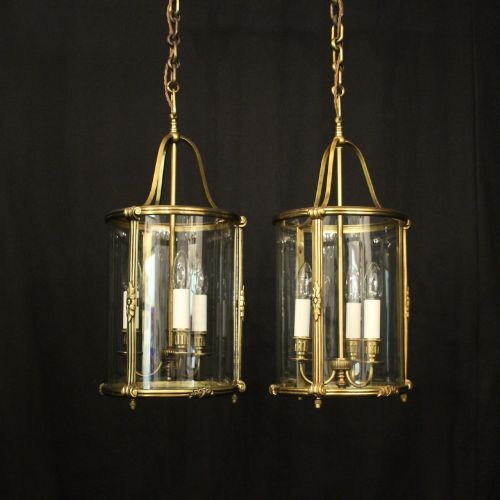
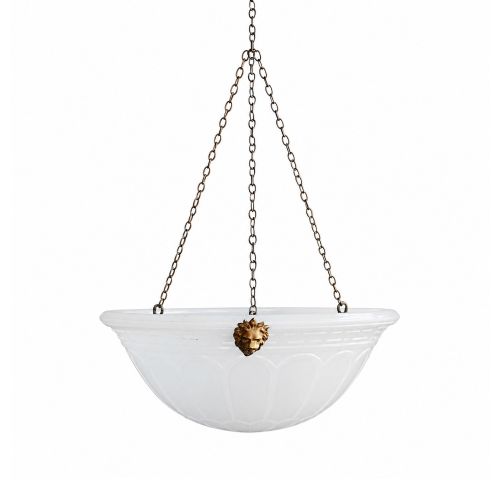
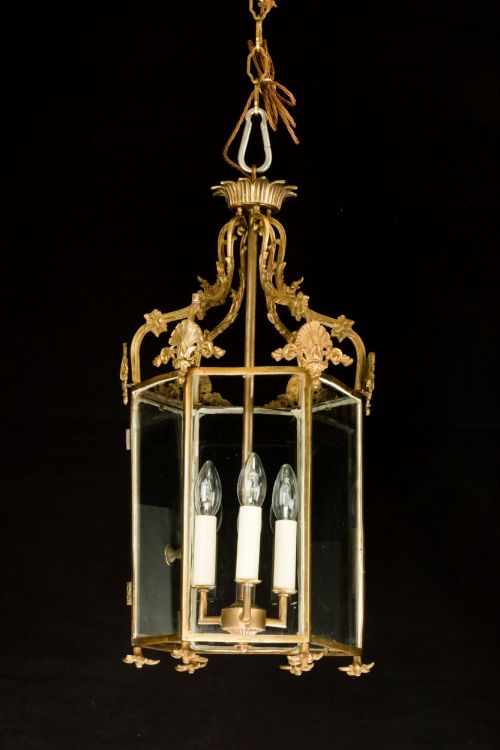
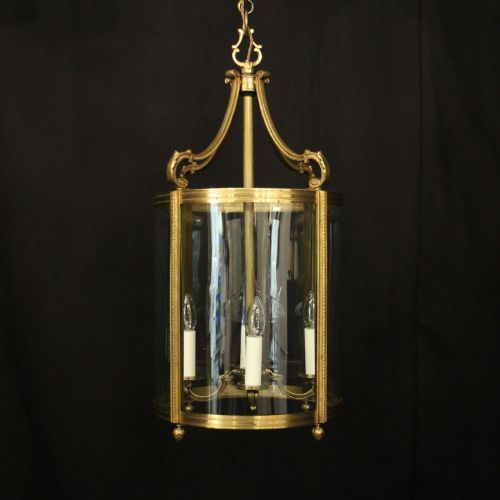
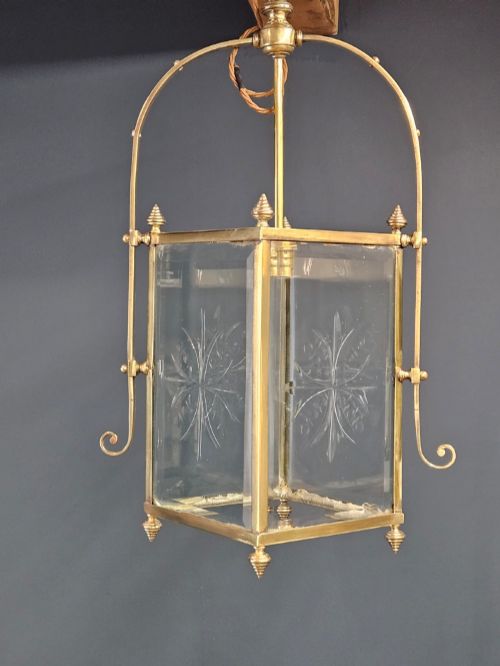
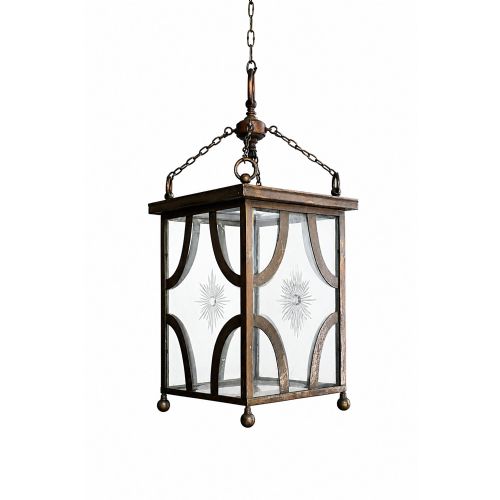
When you search for a brass hall fixture, you encounter a concentrated selection of ceiling-hung lighting designed specifically for corridors, vestibules, and entrance spaces. These pieces primarily take the form of enclosed hanging lanterns, pendant lights, and multi-light chandeliers configured to cast light downward from high ceilings.
The selections available here span diverse historic periods ranging from the Victorian era and the Edwardian years through to the 1920s and 1930s. French models featuring gilded bronze and convex glass surfaces appear frequently alongside English brass and steel examples.
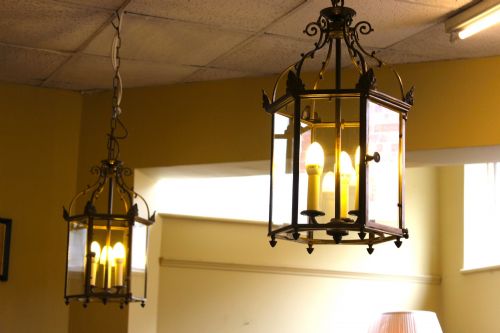
Formations vary from simple single-bulb hexagonal frames to elaborate multi-light arrangements with detailed cast metalwork. Buyers find both modest porch pendants and substantial hall lanterns designed for high-ceilinged period properties.
Materials and construction
Makers constructed these fixtures using robust structural metals including brass, bronze, gilt bronze, steel, and wrought iron to form the protective skeletal frames. These metal components were cast, hammered, or forged into rigid geometric shapes such as hexagons, cylinders, and bells.
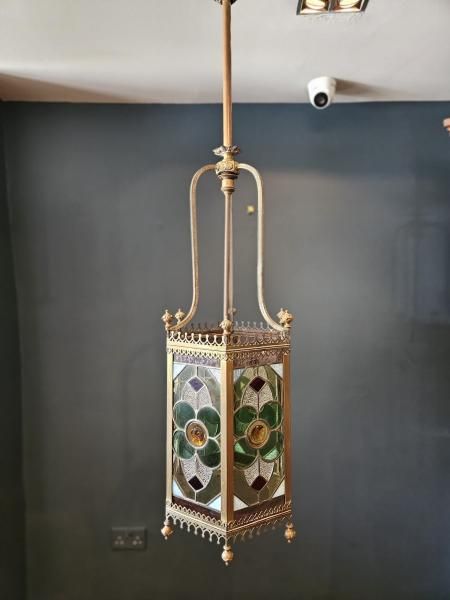
Panels of glass insert directly into the metal frameworks, utilising clear, leaded, stained, opaline, moonstone, or hand-blown diamond cut crystal. Glazing is secured with traditional lead cording or metal glazing bars to contain the internal light source.
Brass Hall Fixture Retail Price Guide 2026
Typical asking prices for brass hall fixture among the pieces listed under this phrase on Sellingantiques today, from the lower quarter to the upper quarter. They describe what is for sale here now, not the wider market.
Listings feature periods from the 19th century through the 1930s, utilising brass, bronze, steel, and various types of glass.
Factors of quality
Quality in these hanging lights rests on the precision of the metal casting and the thickness of the original gilding or plating. Finer examples display crisp botanical or neoclassical chasing on the bronze frames rather than soft, flat surface details.
The integrity and weight of the glass panels heavily distinguish superior pieces, particularly where heavy hand-blown crystal or complex leaded stained glass is utilised. Sturdy structural joins and original suspension loops ensure the fixture hangs true and handles weight securely.
Perry & Co
The Brass Hall Fixture Glossary
- Convex hall lantern
- A hanging light featuring curved glass panels that bulge outward from the metal frame, designed to disperse light across a wider angle in narrow corridors.
- Gilt bronze
- Metalwork treated with a thin layer of gold or gold-coloured alloy applied to a bronze base, providing a durable and decorative surface finish.
- Leaded glass
- Individual pieces of glass held together by strips of lead cording soldered at the joints, commonly forming geometric or decorative patterns within lantern panels.
- Pendant light
- A single light fixture suspended from the ceiling by a chain, cord, or metal rod rather than mounted flush against the plaster.
Brass Hall Fixture: Frequently Asked Questions
How do I hang a brass hall fixture?
Suspension typically relies on a matching chain or fixed metal rod attached to a ceiling rose anchored into the structural joists above. Weight considerations require ensuring the ceiling fixing can bear the combined mass of the metal frame and glass panels.
Electrical wiring runs down through the suspension chain or rod to internal lamp holders. Professional installation by a qualified electrician is standard practice to meet safety regulations for overhead hanging loads.
What periods do these fixtures represent?
The available lighting spans from the 19th century through the Edwardian period and into the 1920s and 1930s. Victorian and Edwardian examples often feature heavier cast brass or leaded glass components.
Later 1920s and 1930s pieces frequently incorporate French styles, utilising steel, gilt bronze, and convex glass panels. Design influences range from Gothic Revival and Arts and Crafts to French Empire and Neoclassical forms.
How do I clean an antique brass fixture?
Routine maintenance involves gentle dusting with a soft, dry cloth to prevent grime accumulation on the metal and glass surfaces. Avoid harsh chemical cleaners or abrasive metal polishes that strip original patination or gilding.
Glass panels can occasionally be removed if glazing bars permit, allowing them to be washed with mild soapy water and dried thoroughly before replacement. Care must be taken around old wiring and soldered lead joints during any cleaning process.
Are these lanterns electrified?
Many surviving fixtures have been adapted over time to run on modern domestic electrical circuits, though the exact internal wiring configuration varies. Some retain older fittings that require updating to meet current safety standards.
Conversion usually involves replacing internal lampholders and running modern flex through the original hanging loops. Buyers should inspect the internal electrical components upon acquisition to determine if rewiring is necessary.