

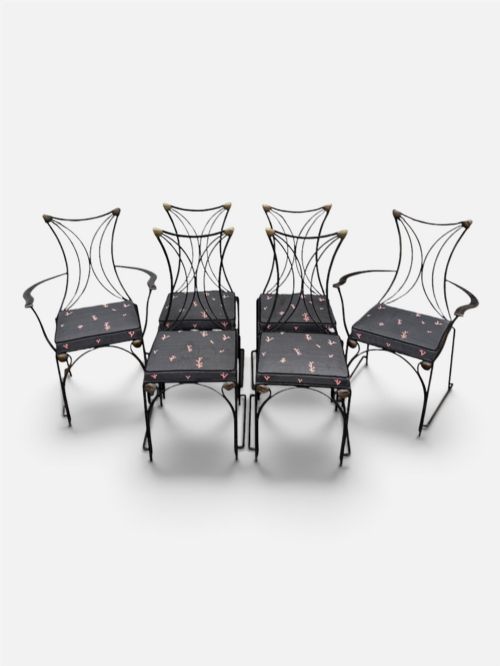
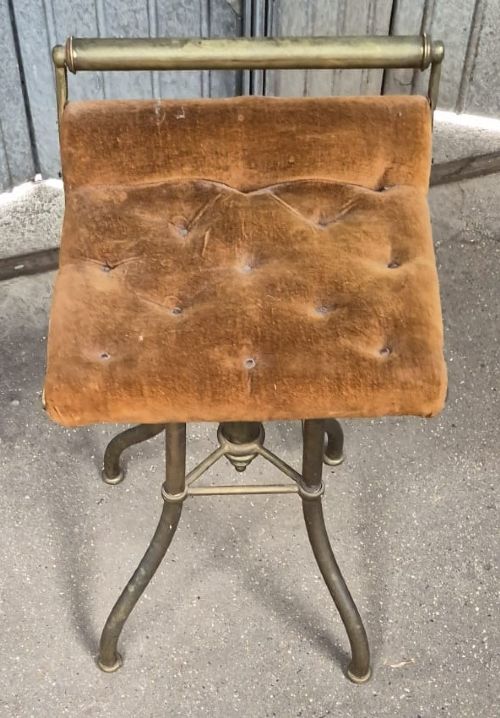
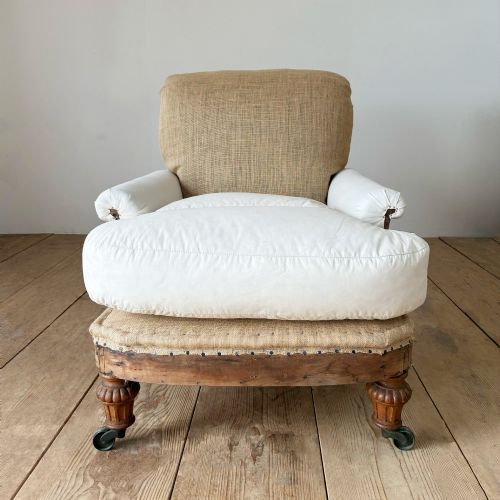


Brass Framed Chair
A brass framed chair brings metallic structure and upholstered comfort together, offering a striking seat for a library, salon or desk.
Brass Framed Chair
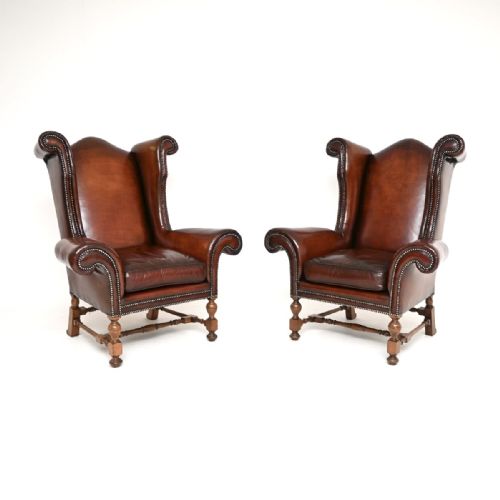
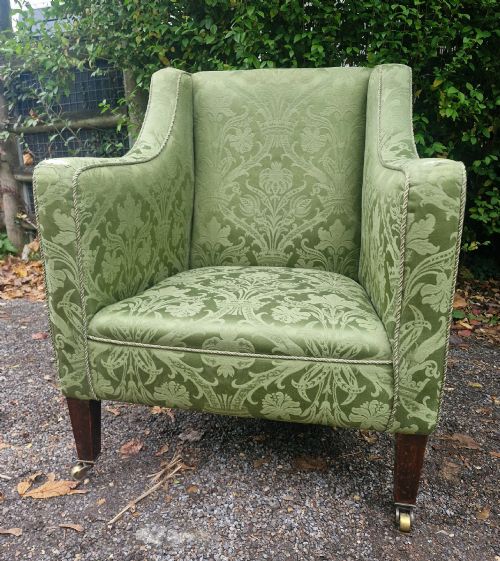
A brass framed chair combines metal structural elements with timber frames and soft upholstery, appearing across periods from the Georgian era through the Victorian period and into the twentieth century. When searching for a brass framed chair, collectors encounter diverse forms including library armchairs, desk chairs, salon seating and rocking chairs.
The materials span from polished brass and wrought iron to mahogany, walnut, oak and beech, often upholstered in leather, fabric, hessian or calico. These pieces reflect stylistic influences ranging from Regency and Gothic Revival to French Mid-Century Modern and Hollywood Regency.
Most examples found on this page lean towards nineteenth-century library and desk seating, where brass accents highlight the timber framework or provide the primary structural support.
Evaluating craftsmanship and condition
Quality rests in the precision of the joinery and the integrity of the metal framework, where solid brass or well-cast iron elements fit flush against the timber body. Finer examples display meticulous attention to proportion, particularly in the curve of the arms and the rake of the back.
The treatment of the upholstery and the retention of original surface patination on both the metal and the wood distinguish superior pieces. A cohesive balance between the metallic frame and the textile or leather covering indicates thoughtful design and skilled execution.
Brass Framed Chair Retail Price Guide 2026
Typical asking prices for brass framed chair among the pieces listed under this phrase on Sellingantiques today, from the lower quarter to the upper quarter. They describe what is for sale here now, not the wider market.
Listings span periods from the Georgian era through the Victorian period to the 1930s, utilising brass, mahogany, leather, walnut and hessian.
Howard and Sons·Gillows·Holland and Sons·William Birch·George Henry Walton
The Brass Framed Chair Glossary
- Show frame
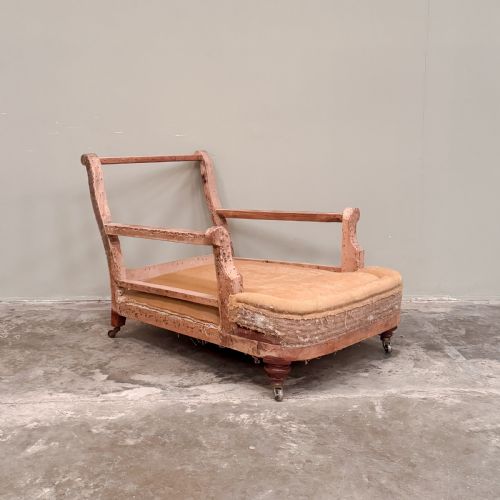
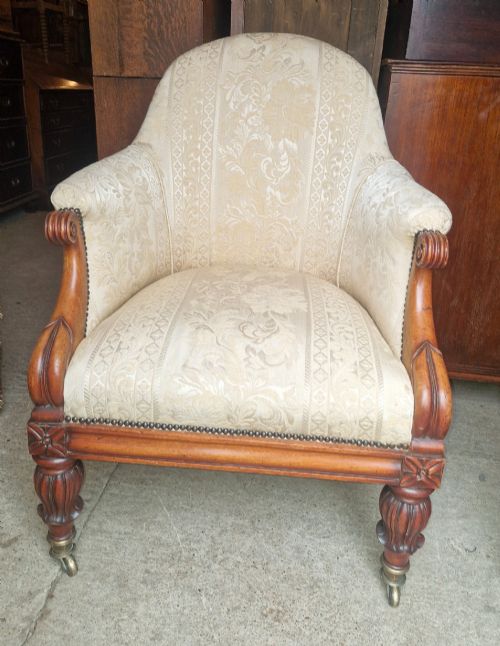
- A wooden or metal structural skeleton left visible around the upholstered portions of a chair. This design choice highlights the grain of mahogany or walnut alongside polished brass elements.
- Library armchair
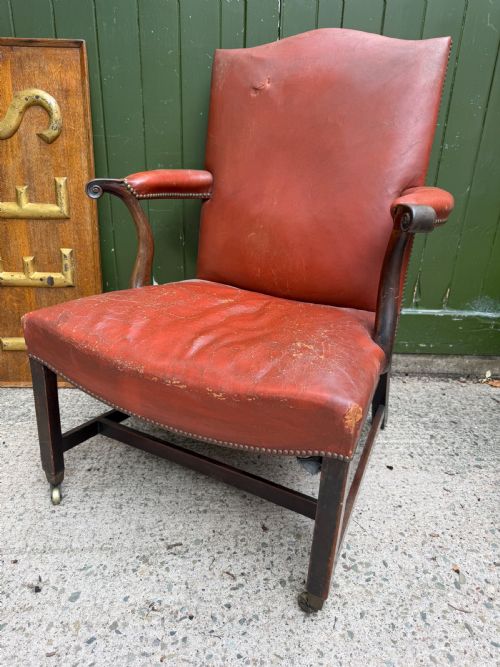
- A generous, comfortable seat designed for reading rooms and studies, frequently upholstered in leather. These chairs often incorporate robust frames of mahogany or walnut.
- Gainsborough chair
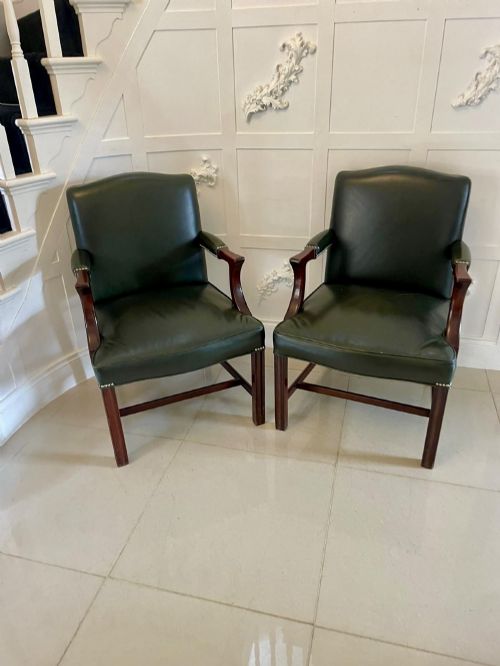
- A wide, open-armed armchair with a low seat and upholstered back, popular during the eighteenth century. They are typically framed in mahogany and designed for writing desks or libraries.
- Savonarola style
- A folding chair design featuring intersecting curved legs forming an X-shape, sometimes inlaid with materials like brass. This Renaissance-inspired form offers a portable yet sturdy seat.
- Gothic Revival
- A nineteenth-century design movement drawing inspiration from medieval architecture. Pieces from this style often feature pointed arches, heavy oak or walnut construction, and formal rigidity.
Brass Framed Chair: Frequently Asked Questions
Where were brass framed chairs used?
These chairs found their places primarily in formal libraries, studies, drawing rooms and salons where both comfort and decorative presence mattered. Wealthy homeowners and professionals utilised them as desk chairs or reading seats.
Over time, lighter salon and rocking variants moved into domestic bedrooms and parlours. Their combination of metal and upholstery suited spaces designed for reading and writing.
How do I care for leather upholstery?
Leather surfaces benefit from regular dusting with a soft, dry cloth and occasional treatment with appropriate conditioning balms to prevent drying. Avoiding direct sunlight and excessive heat protects the hide from cracking.
Maintaining a stable room temperature prevents the underlying timber frame and the leather from expanding or contracting rapidly.
What defines a Regency library chair?
Regency library chairs typically feature clean architectural lines, dark mahogany frames, and substantial upholstered seating designed for extended reading. Brass accents or castors frequently appear on these pieces.
They reflect the early nineteenth-century taste for classical antiquity, combining restrained ornamentation with solid, functional construction.
How do I distinguish Victorian pieces?
Victorian chairs often showcase heavier proportions, darker woods like walnut and oak, and varied stylistic revivals such as Gothic or French influences. Upholstery techniques from this era frequently employed buttoning and heavy springs.
Makers of this period mixed materials freely, incorporating brass framing, iron backs and rich fabrics into a single design.