




Brass Figural Sculpture
Brass figural sculpture brings character and human form to a room through cast metal work spanning several distinct historical periods.
Brass Figural Sculpture
Brass figural sculpture encompasses cast metal works and decorative objects depicting people, animals, and mythological figures across centuries of craftsmanship. When searching for brass figural sculpture, collectors encounter a diverse range of items including mantel clocks, candlesticks, and standalone decorative figures. The pieces on this page draw from 18th century, 19th century, Regency, Edwardian, and Art Deco periods, showing varied origins from English, French, and African traditions.
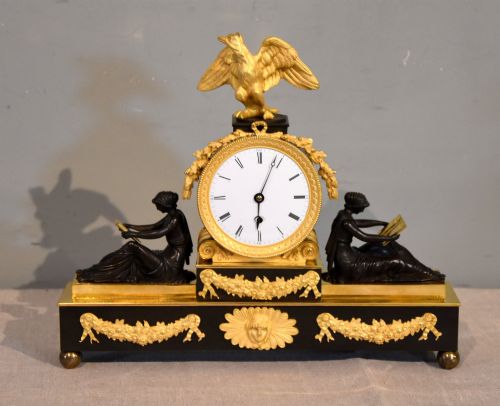
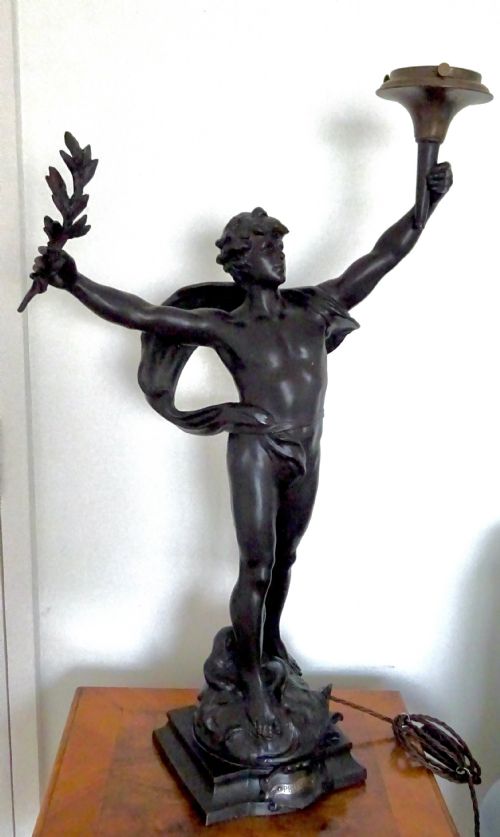
The material palette extends beyond pure brass to include gilt bronze, spelter, bronze, wood, glass, alabaster, and onyx. French makers feature prominently with figural clock sets and sculptural lamps, while Black Forest works introduce carved animal forms. Buyers meet both functional items like table lighters and timepieces alongside purely sculptural statuettes.
How they were made
Makers utilised casting techniques in brass, bronze, gilt bronze, and spelter to shape complex figures and decorative mounts. Spelter frequently appears in later 19th century and Art Deco pieces as a more accessible alternative to bronze, often paired with onyx or marble bases. Gilt bronze work involves applying a gold layer over bronze or brass to achieve a rich metallic finish.
Many sculptures incorporate mixed media elements such as wood, bone, glass domes, and carved alabaster fitted with mechanical clock movements. The surface finishes range from polished gilt surfaces to patinated bronze and blackened metal details.
Brass Figural Sculpture Retail Price Guide 2026
Typical asking prices for brass figural sculpture among the pieces listed under this phrase on Sellingantiques today, from the lower quarter to the upper quarter. They describe what is for sale here now, not the wider market.
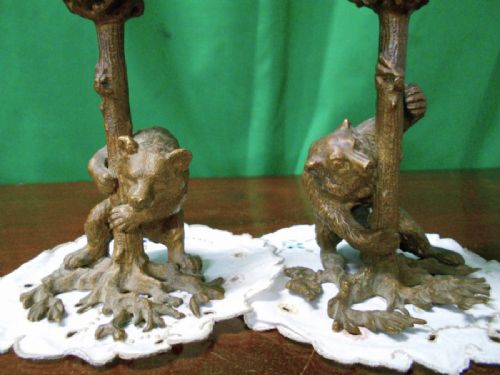
Bears carved in the Black Forest style stand ready to hold your candles through the longest winter evenings.
What varies in quality
The integration of secondary materials such as carved alabaster, onyx bases, and original French clock movements influences the overall standard of a piece. Works associated with known Parisian foundries, movement makers, or specific sculptors generally exhibit superior structural integrity and artistic ambition.
Auguste Moreau·Japy Freres·Charles Korschann·Dalou·Baetens London
The Brass Figural Sculpture Glossary
- Spelter
- A zinc-based alloy used as an inexpensive substitute for bronze in decorative figures and clock cases. It takes patination well to simulate heavier metals.
- Gilt Bronze
- Bronze or brass that has been coated with a layer of gold. It provides a bright, durable finish that resists tarnishing.
- Black Forest
- A regional style of wood carving and metal casting originating from the mountainous border areas. It is particularly known for realistic animal subjects like bears.
- Mantel Clock
- A portable household clock designed to sit on a fireplace mantelpiece. These housings frequently incorporate figural bronze or spelter sculpture.
- Andiron
- A metal support used in pairs inside a fireplace to hold logs. Elaborate examples feature cast figural statuettes on the front facing.
Brass Figural Sculpture: Frequently Asked Questions
What is spelter?
Spelter is a zinc-based metal alloy widely utilised for decorative figures and clock cases during the nineteenth and early twentieth centuries. It offered makers a cheaper alternative to bronze while still accepting patination.
Objects cast in spelter are lighter than bronze pieces and require gentle handling to preserve the surface finish.
How do I date a piece?
Dating relies on stylistic clues, mechanical components, and the materials combined in the construction. Regency pieces show neoclassical restraint, while Art Deco items display geometric forms from the nineteen thirties.
Examining the movement inside a clock or the casting technique provides further evidence of the period of manufacture.
Are these items functional?
Many figural objects serve a dual purpose as both sculpture and functional household items. Examples include mantel timepieces, candlesticks, and table lighters.
Other pieces exist purely as decorative statuettes or lamp bases intended to sit on furniture.
Where were they made?
The pieces originate from various European centres, particularly France and England, alongside African tribal traditions. French foundries produced many of the gilt bronze clock sets and figural lamps.
English workshops specialised in Regency timepieces and brass work.