





Brass Desk Mirror
A brass desk mirror brings reflective depth and polished metal warmth to a room, catching the light in quiet corners.
Brass Desk Mirror
A brass desk mirror is a portable looking glass framed in metal, designed to sit upon a table, chest, or vanity. These pieces serve both a practical function for grooming and a decorative purpose, reflecting light and space within a room.
The versions met on this page range from early nineteenth-century scientific optical mirrors to decorative French revival pieces and twentieth-century designs. They draw on styles such as Georgian, French Louis XVI Revival, and Art Deco.
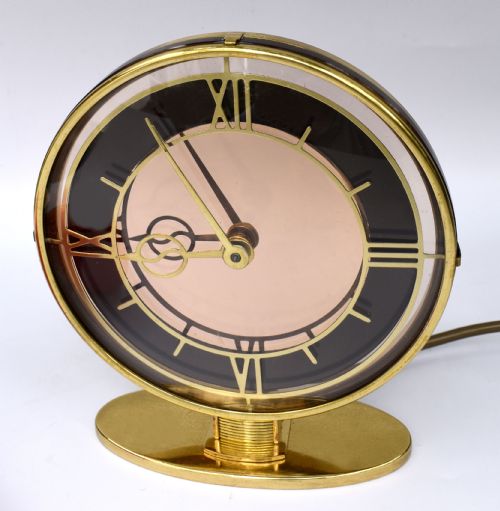
Makers and designers from London and Paris shaped these objects, incorporating polished frames and occasionally mechanical functions or clocks into the design.
How they were made
The construction of a brass desk mirror relies on cast or sheet brass frames that hold a glass mirror plate securely. Metal components are polished or painted to achieve a finished surface.
Some examples combine brass with timber elements such as mahogany, satinwood, or painted wood, reflecting the cabinetmaker's skill in joining diverse materials.
Brass Desk Mirror Retail Price Guide 2026
Typical asking prices for brass desk mirror among the pieces listed under this phrase on Sellingantiques today, from the lower quarter to the upper quarter. They describe what is for sale here now, not the wider market.
Listings feature brass desk mirrors spanning the Georgian period, nineteenth-century revivals, and Art Deco designs from the nineteen-thirties.
What varies in quality
Quality in a brass desk mirror lies in the weight and thickness of the metal frame and the clarity of the glass plate. Heavier brass castings and precise joints indicate a higher standard of manufacture.
The refinement of the decorative details, whether cast scrollwork or clean geometric lines, separates standard production from finer work.
The Brass Desk Mirror Glossary
- Brass
- An alloy of copper and zinc used to form the metallic frames of these mirrors. It provides a durable structure and takes a bright polish.
- Vanity Mirror
- A small looking glass designed for personal grooming, often mounted on a stand or pivot for adjustment. These sit atop dressing tables or chests.
- Art Deco
- A design style from the early twentieth century characterised by sleek lines, geometric forms, and modern materials. Mirrors from this period often feature streamlined brass mounts.
- French Rococo Revival
- A nineteenth-century revival style featuring ornate, asymmetrical scrollwork and natural motifs. Frames in this taste display exuberant curves cast in metal.
Brass Desk Mirror: Frequently Asked Questions
Where should I place a desk mirror?
These mirrors sit comfortably on dressing tables, chests of drawers, or writing desks where they capture natural light.
Positioning them opposite a window helps brighten darker corners of a room while remaining useful for daily tasks.
How do I clean a brass frame?
Dust the brass frame gently with a soft, dry cloth to remove everyday particles without scratching the metal surface.
Avoid harsh chemical polishes that can strip patination or damage adjacent mirror glass and wooden mounts.
What periods do these mirrors come from?
The pieces span from the Georgian era through the nineteenth century and into the Art Deco period of the nineteen-thirties.
Each era brings distinct design characteristics, from classical revival scrolls to streamlined modern metalwork.
Are these mirrors adjustable?
Many examples feature pivoting frames mounted on side supports, allowing the glass to tilt to different angles.
This mechanism lets the user adjust the reflection precisely as needed for grooming or catching the light.