



Brass Cornered Desk
A brass cornered desk brings functional military precision into the home, offering robust timbers secured with heavy metal hardware built for travel.
Brass Cornered Desk
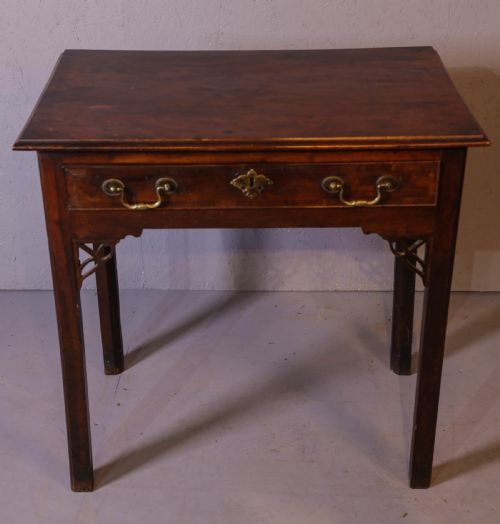
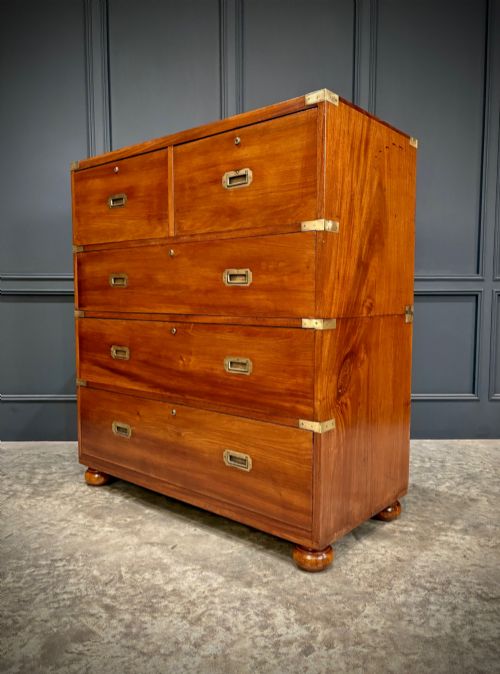
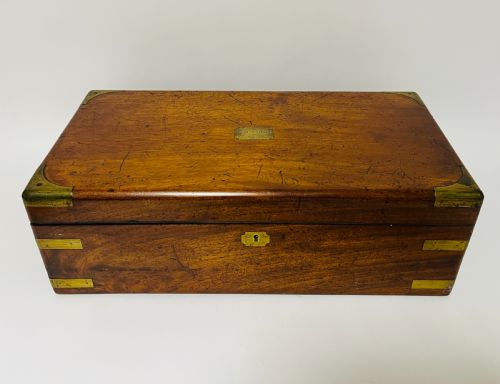
A brass cornered desk encompasses campaign furniture and writing boxes designed for transport, utilising protective metal brackets to withstand rigorous travel. You will most frequently encounter Victorian mahogany writing slopes and military secretaire chests featuring recessed brass handles and reinforced edges.
The selection extends from compact lap desks to large multi-section chests of drawers and side tables spanning the eighteenth, nineteenth, and early twentieth centuries. These forms reflect a heritage of portability, where officers and travellers required secure storage and writing surfaces that packed down efficiently.
Makers adapted domestic forms into modular units, creating secretary chests and writing boxes in walnut, teak, and yew alongside traditional mahogany. Each piece merges practical utility with formal cabinetry, displaying the characteristic metal mounts that define the style.
How they were made
Cabinetmakers constructed these pieces primarily from dense hardwoods like mahogany, teak, and walnut, ensuring the carcase could endure harsh climates and frequent movement. Timber selection focused on grain stability, utilising figured and burr varieties on visible surfaces to create visual depth.
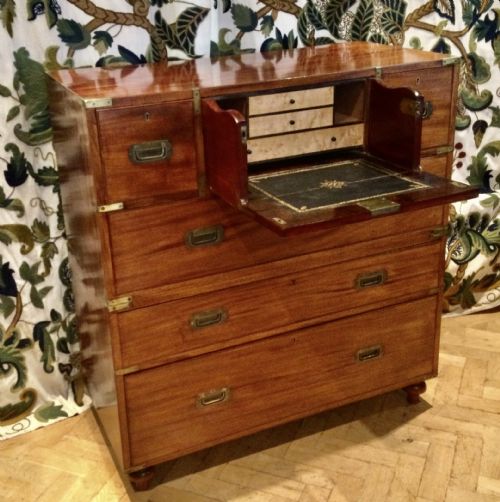
Heavy brass corners, strapwork, and flush-fitting campaign handles were meticulously inset into the wood to prevent snagging during transit and reinforce vulnerable joints. Secret drawers, leather-lined writing surfaces, and fitted compartments were integrated with precision joinery to maximise internal space.
Materials recorded across the inventory include mahogany, teak, walnut, yew, oak, and camphor wood paired with brass mounts.
What varies in quality
The standard of craftsmanship is visible in the integration of the brass hardware and the tightness of the mitred joints. Superior examples feature hand-cut dovetails, perfectly flush metal mounts, and high-grade timber veneers that have aged evenly.
Internal complexity also distinguishes the tier of production, separating basic portable boxes from sophisticated secretaire chests with secret compartments and clever mechanical actions. Original brass fittings, matched locks, and retained leather inserts elevate the execution of the piece.
Fisher
The Brass Cornered Desk Glossary
- Campaign furniture
- Portable furnishings built in sections for military officers on active service. These pieces feature recessed handles and protective brass corners to withstand rough transport.
- Writing slope
- A portable box with an angled lid that folds down to provide a slanted surface for correspondence. They often contain internal compartments for inkwells and stationery.
- Secretaire chest
- A chest of drawers where the upper drawer pulls out and folds down to reveal a fitted writing desk with small drawers and pigeonholes. It combines domestic storage with a functional workspace.
- Burr walnut
- A highly figured timber harvested from walnut tree growths or burls. It creates swirling, organic patterns prized for ornamental cabinet fronts.
- Dovetail
- An interlocking joint formed by interlocking wedge-shaped fingers. This traditional construction method provides exceptional tensile strength for drawer corners.
Brass Cornered Desk: Frequently Asked Questions
What is a campaign desk?
A campaign desk is a piece of portable furniture designed for military use during the eighteenth and nineteenth centuries. These items were built to dismantle or fold easily for transport on active service.
They typically feature protective brass corners and recessed hardware to prevent damage while travelling. The design prioritises durability and compact organisation without sacrificing a stable writing surface.
How do I date a campaign piece?
Dating relies on examining the timber species, construction methods, and the style of the brass mounts. Eighteenth-century examples often utilise solid cabinet timbers and simpler hardware, while Victorian pieces frequently incorporate figured veneers and more complex locking mechanisms.
Interior fittings and the presence of makers' stamps or brass plaques also provide clues. Comparing the dovetail construction and screw types helps narrow down the period of manufacture.
Where were these pieces used?
These furnishings originated for military officers, diplomats, and colonial administrators who required functional workspaces while on the move. They travelled across empire outposts, set up in campaign tents, and accompanied officers on ships.
Over time, the practical elegance of the design transitioned into domestic spaces. Victorians adopted campaign styles for town houses and studies, appreciating the robust construction and clever storage.
How do I care for leather writing surfaces?
Leather writing surfaces benefit from gentle cleaning using a slightly damp cloth followed by immediate drying. Avoid harsh chemical cleaners or excessive moisture that can discolour or crack the material.
Applying a specialist leather cream or wax periodically helps maintain suppleness and prevents the surface from drying out. Protecting the leather from direct sunlight prevents fading and preserves the gold-tooled borders.