

Brass Clock with Enamel
A brass clock with enamel combines heavy metal casting with delicate vitreous dialwork, spanning French carriage models and Victorian domestic regulators.
Brass Clock with Enamel
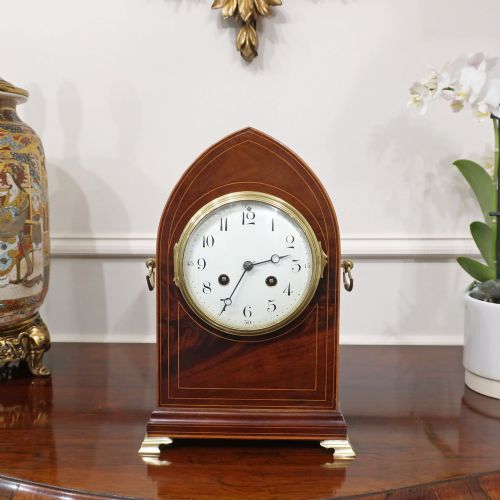
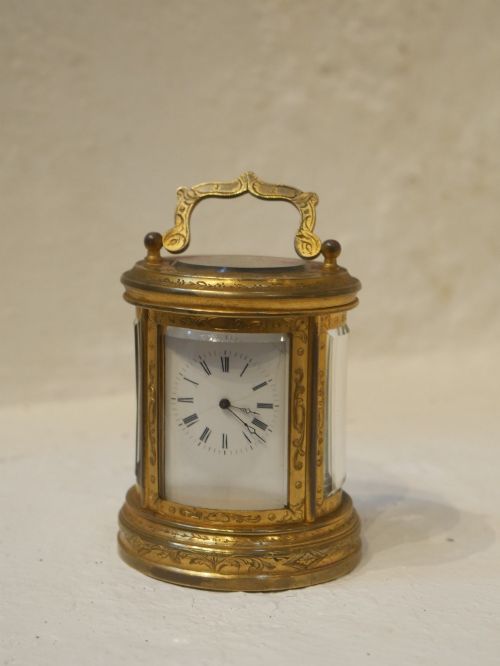
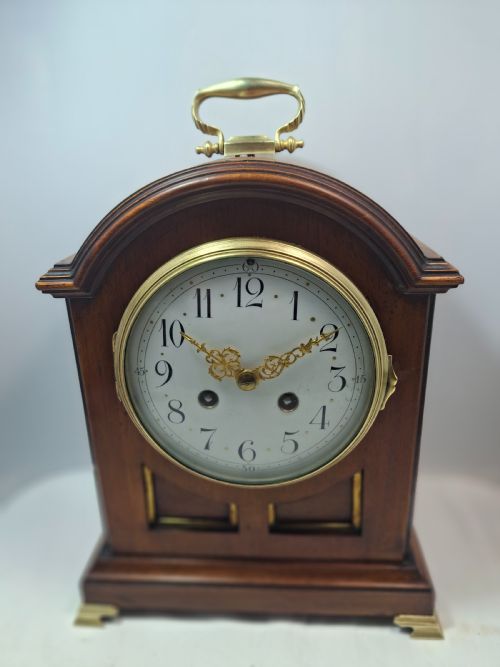
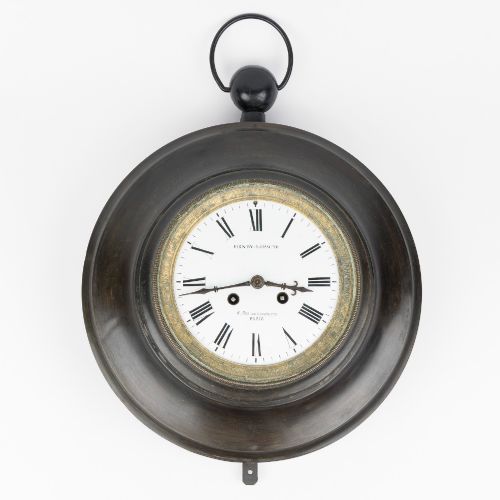
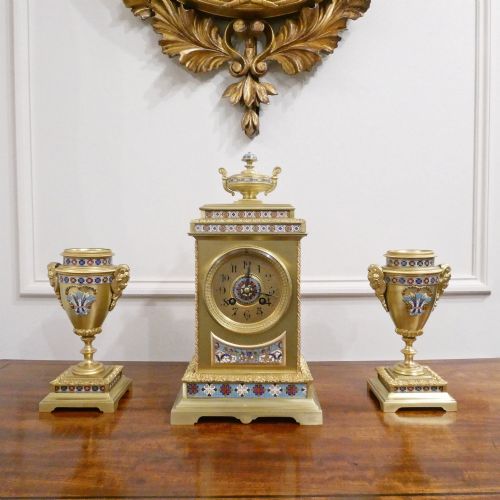
A brass clock with enamel typically takes the form of a portable carriage clock or a stationary mantel and wall timepiece. These objects span the nineteenth century through the Edwardian period, with French workshops producing many of the surviving examples found in domestic interiors.
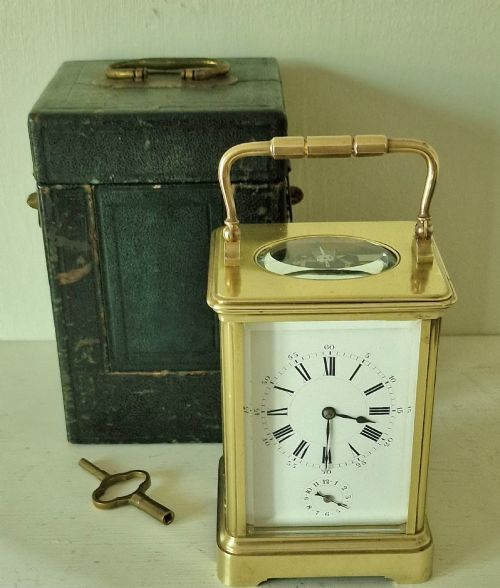
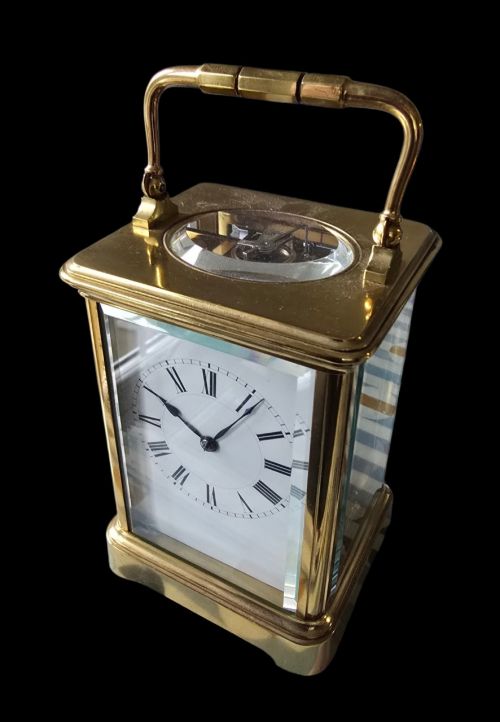
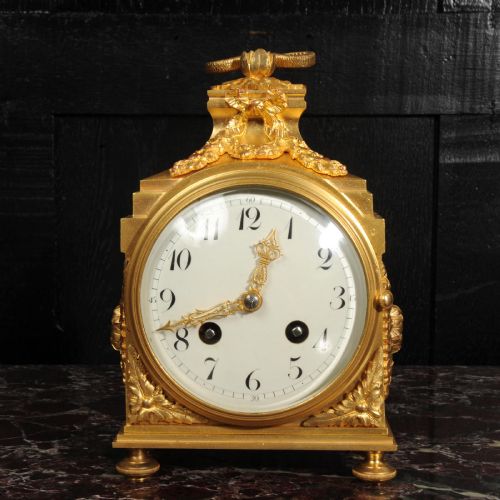
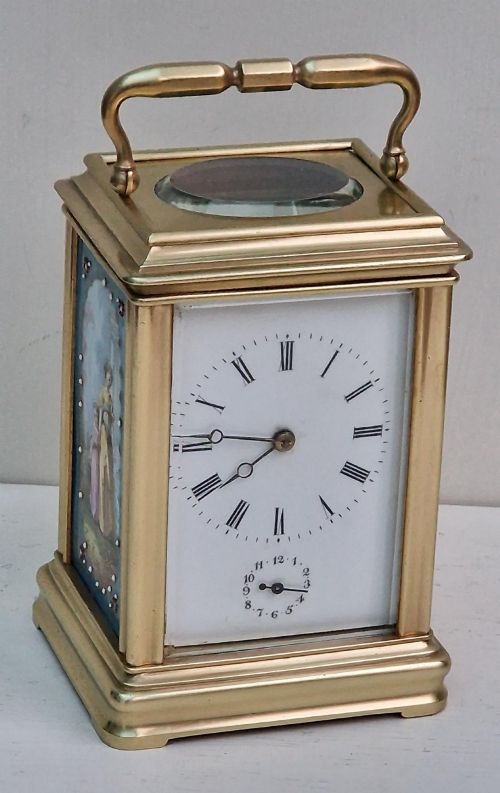
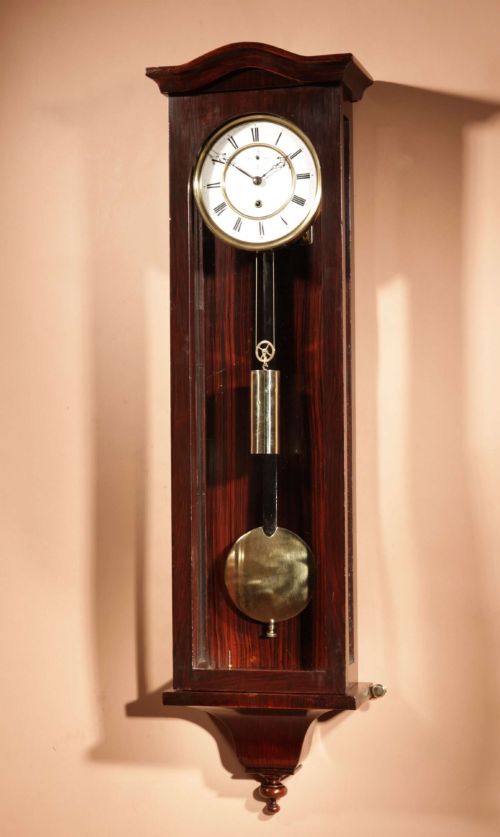
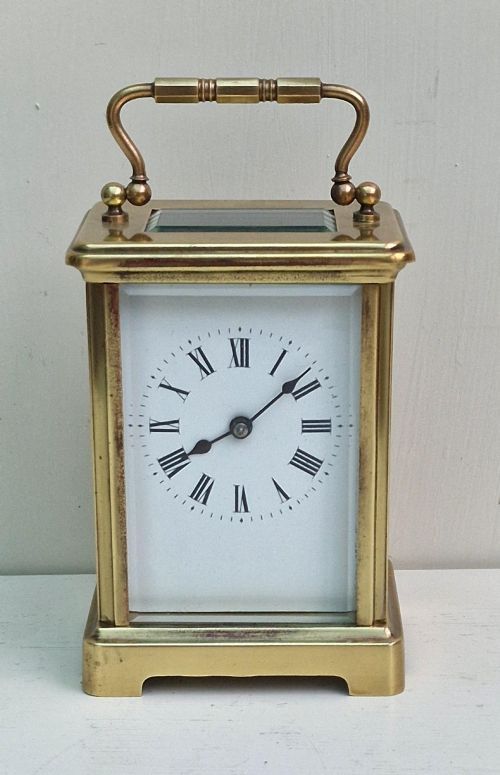
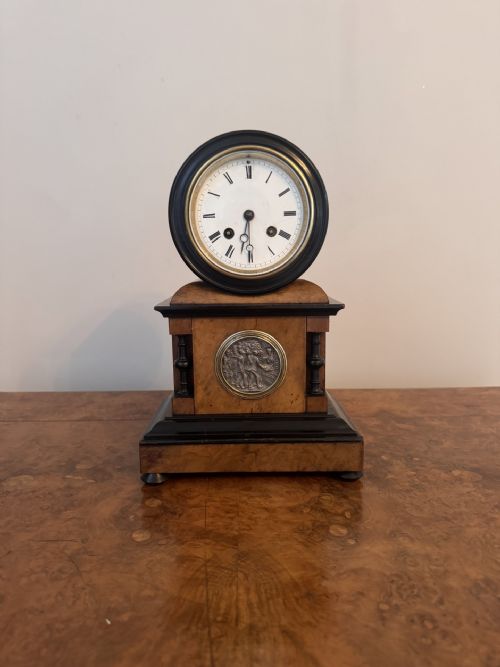
Carriage clocks dominate the selection, often housed in polished brass or gilt cases with visible escapements through glass panels. Mantel regulators and wall clocks appear alongside them, offering contrasting forms from Victorian and continental makers.
How They Were Made
Heavy brass and gilt bronze form the structural frames and decorative cases, frequently polished or combined with glass side panels. Movements rely on intricate brass wheel trains, escapements, and springs housed within compact enclosures.
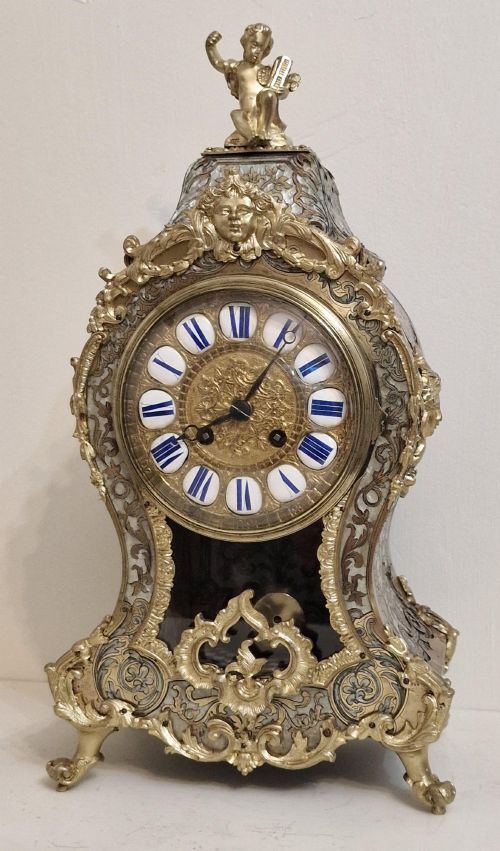
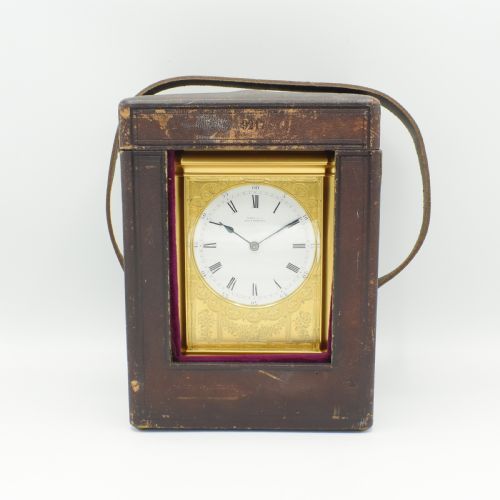
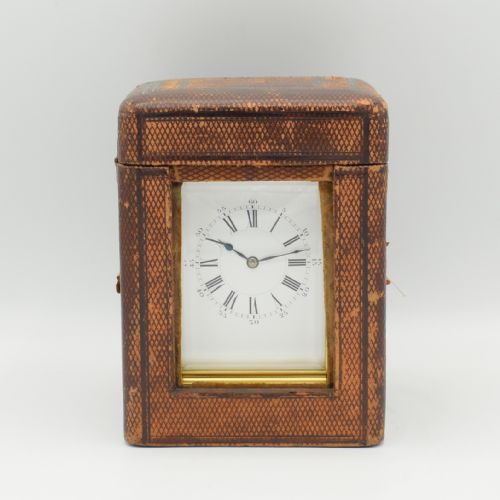
Dials and decorative bands utilise vitreous enamel, sometimes painted with miniature scenes or geometric numerals. Leather travelling cases often accompany portable pieces, protecting the metal housings during movement.
Brass Clock with Enamel Retail Price Guide 2026
Typical asking prices for brass clock with enamel among the pieces listed under this phrase on Sellingantiques today, from the lower quarter to the upper quarter. They describe what is for sale here now, not the wider market.
Certain carriage clock travel cases retain fitted leather compartments that once held tiny winding keys safely during bumpy nineteenth-century journeys.
What Varies in Quality
The refinement of the clock movement dictates its standing, particularly mechanisms incorporating repeaters, alarms, or complex sonnerie striking trains. High-grade pieces originate from known Paris workshops with finely finished platform escapements.
Case execution and enamel preservation separate standard production items from superior examples. Crisp gilding on brass frames and intact, unblemished enamel panels indicate higher workshop standards.
Henri Jacot·Pickford of London·Gontard and Bolviller Paris·Paul Garnier·Drocourt
The Brass Clock with Enamel Glossary
- Carriage clock
- A small, portable spring-driven timepiece designed for travelling, usually featuring a brass case with glass panels. These clocks often possess a swinging handle on top.
- Gorge case
- A stepped rectangular brass housing style common on nineteenth-century carriage clocks. The architectural moulding defines the upper and lower edges of the frame.
- Platform escapement
- The tiny self-contained assembly holding the balance wheel and hairspring mounted visibly on top of the movement. This innovation allowed portable clocks to keep time in various positions.
- Repeater
- A mechanical complication that strikes the hours and quarters when a button or lever is pressed. This function allowed users to check the time in the dark.
- Crystal regulator
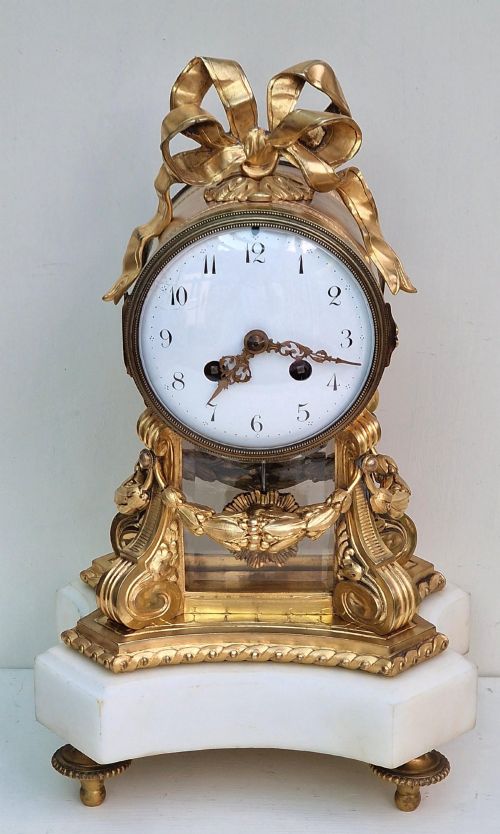
- A mantel clock enclosed entirely by bevelled glass panels held within a brass or gilt frame. The design reveals the internal pendulum and movement from all sides.
Brass Clock with Enamel: Frequently Asked Questions
How do I wind a carriage clock?
Insert the key into the winding square on the back plate and turn it gently clockwise until firm resistance is felt. Care must be taken not to overwind the mainspring.
Most portable timepieces require a key specifically matched to the winding squares. Regular winding ensures the mechanical train maintains steady tension for accurate timekeeping.
What is a repeater mechanism?
A repeater mechanism strikes the last elapsed hour and quarters on gongs or bells when activated by a lever. This allowed nineteenth-century owners to hear the time without looking at the dial.
Such added complexity requires intricate gear trains within the brass housing. These movements represent higher workshop output and technical skill.
How do I clean the brass case?
Dust the exterior gently with a soft, dry cloth to remove surface particles. Avoid chemical polishes that strip original gilding or damage vulnerable enamel panels.
Preserving the aged patina on nineteenth-century brass maintains the character of the object. Harsh cleaning agents can permanently alter the metal surface.
Where were these clocks made?
Many examples originate from French workshops in Paris, alongside contributions from British and Austrian makers. Carriage clocks and crystal regulators were particularly dominant in French manufacturing centres.
Signatures on dials or back plates often identify the specific maker or retailer. Regional variations appear in wall clocks from the Black Forest and Vienna styles.