


Brass Chandelier Lighting
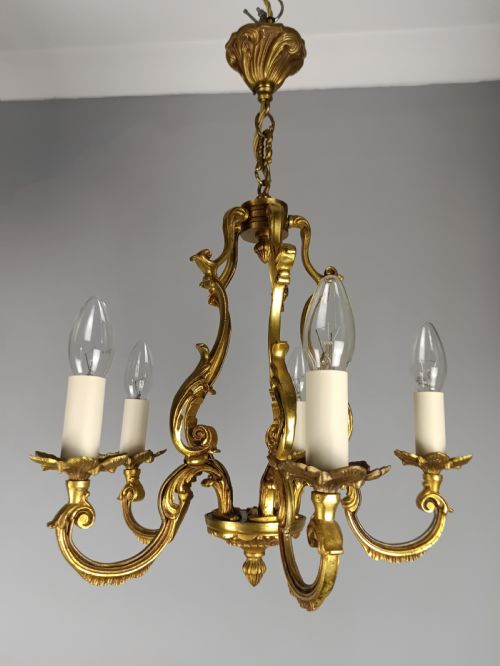
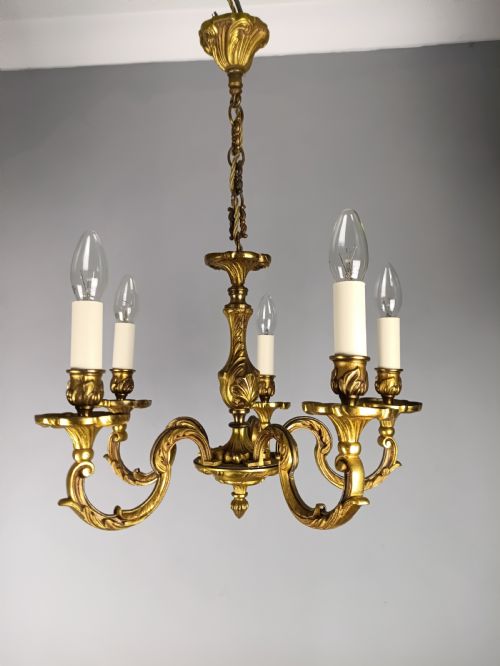
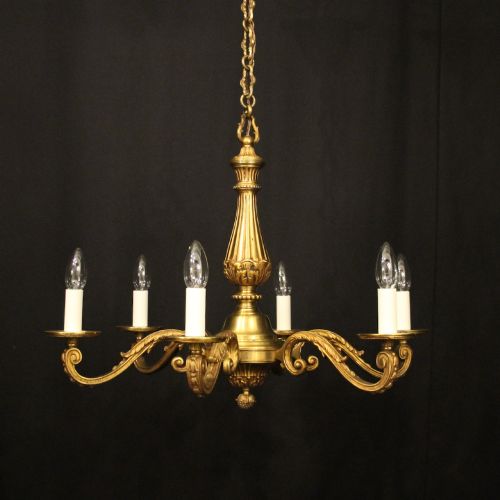
Brass chandelier lighting brings weight and warmth to a room, turning overhead space into a clear focal point with metal and glass.
Brass Chandelier Lighting
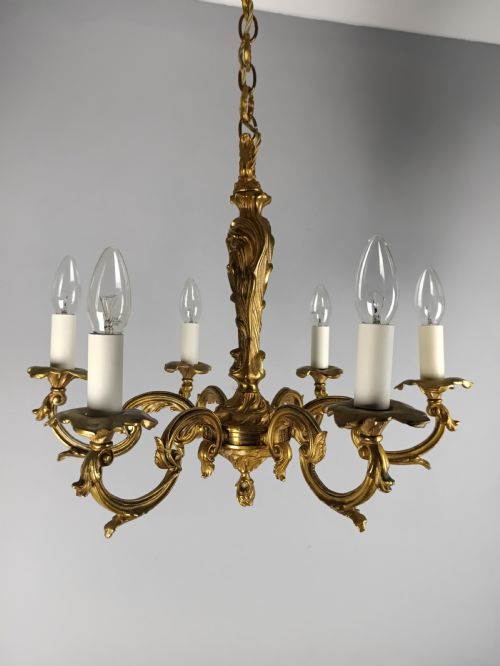
When you search for brass chandelier lighting, you find overhead fixtures spanning the nineteenth century through the 1930s. The selection relies heavily on French production, encompassing styles from French Rococo and Empire to Art Deco and Arts and Crafts.
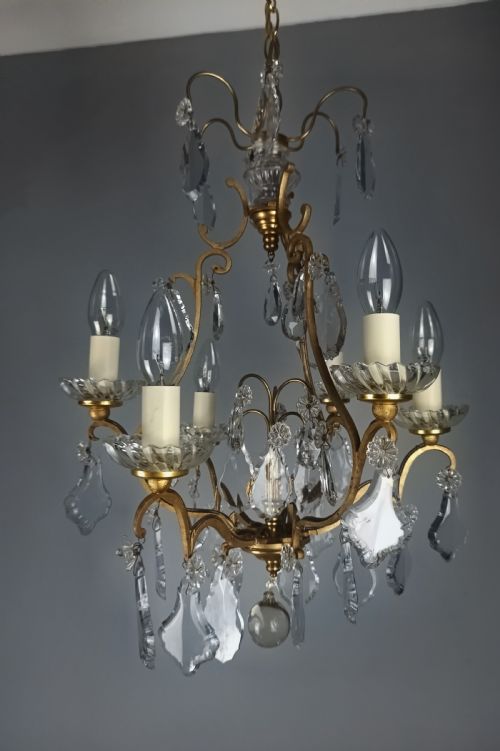
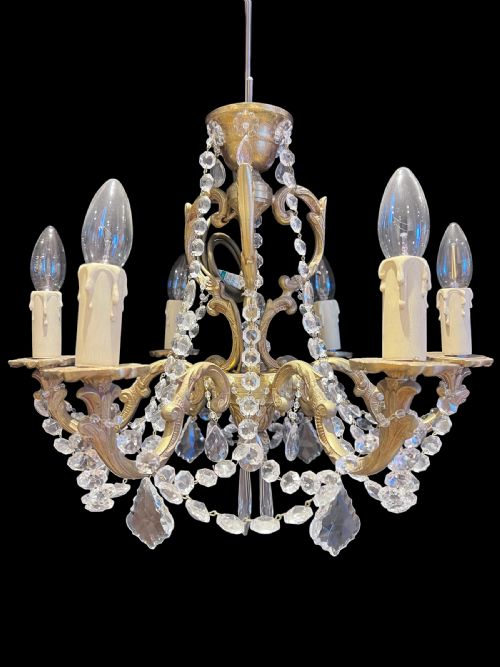
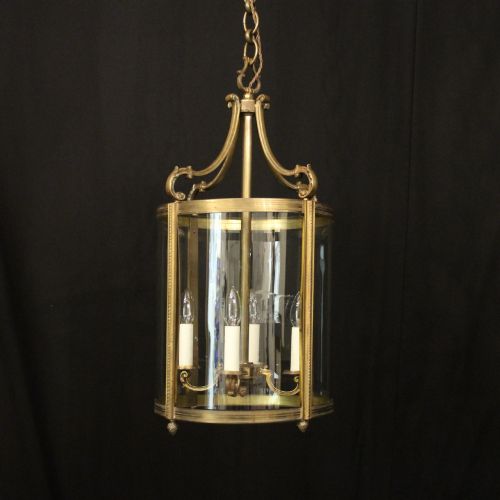
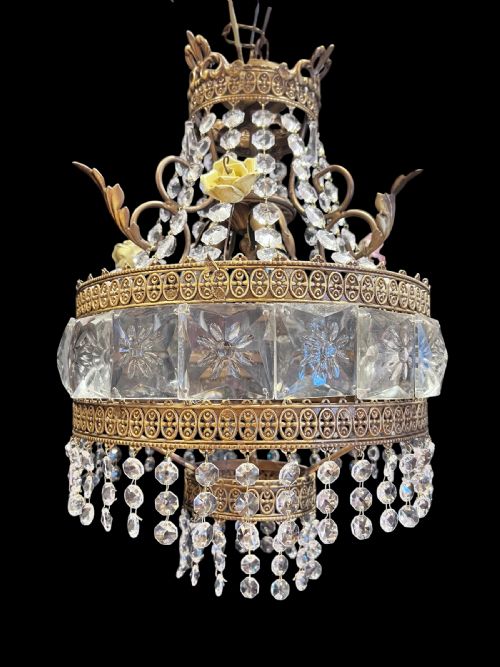
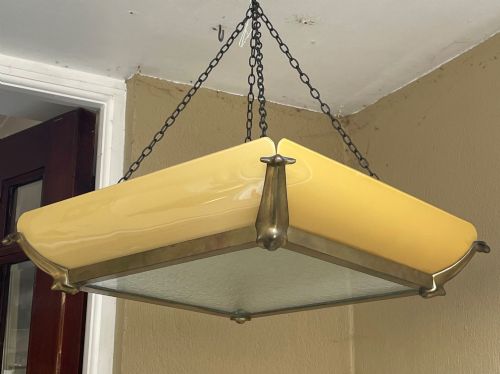
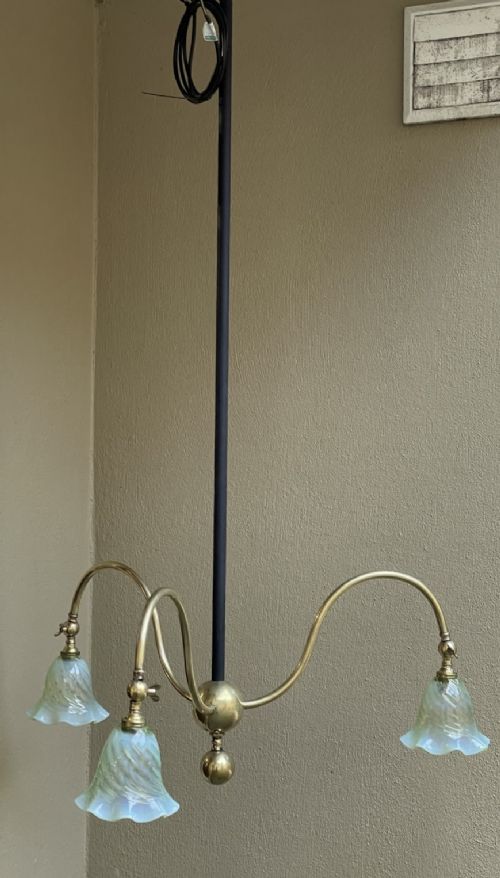
You will encounter chandeliers, pendant lights, hall lanterns, and wall sconces framed in brass, gilt bronze, and metal. Many pieces incorporate glass, crystal, and cut glass components to catch and diffuse illumination.
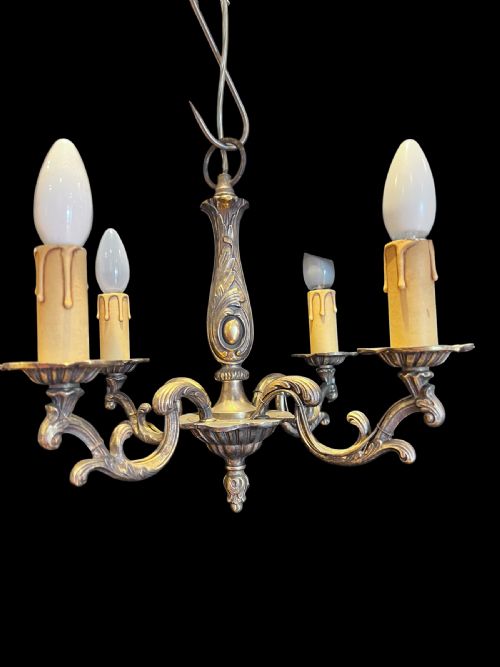
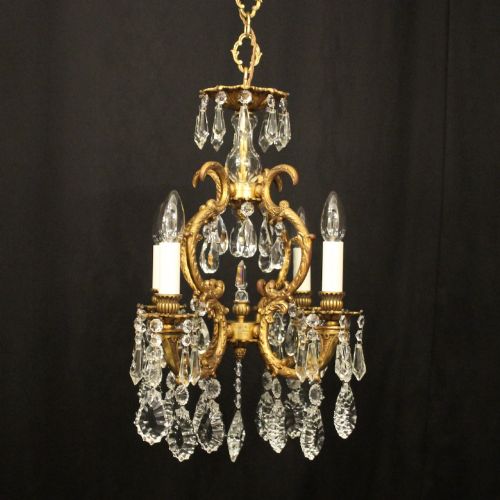
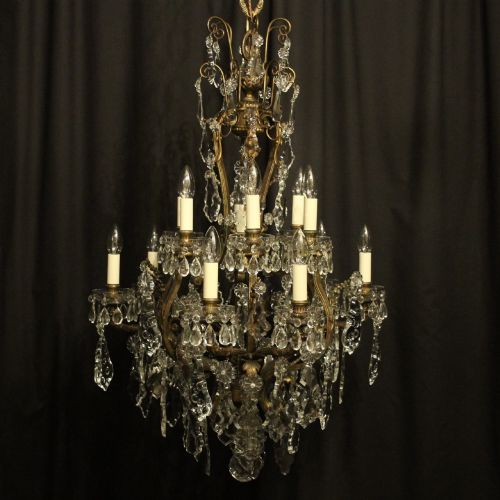
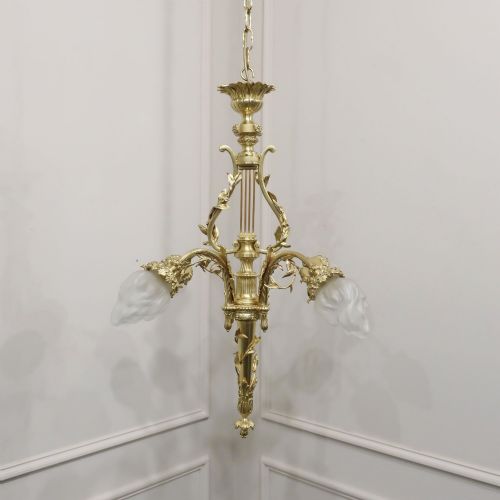
The objects range from simple three-light pendants and spike chandeliers to large multi-light fixtures hung with crystal lustres and waterfalls. Pieces span Victorian, Edwardian, and early twentieth-century periods.
What varies in quality
Quality rests in the crispness of the metal casting and the depth of the gilding or patination. Heavier bronze and brass frames show finer hand-chasing on the arms and mounts, whereas simpler commercial pieces rely on plainer spun or stamped metal.
The clarity and cut of the crystal or glass components further divide the range. High-tier fixtures employ hand-cut crystal lustres and bevelled glass panels that refract light cleanly, while simpler iterations use moulded or plain glass.
The Brass Chandelier Lighting Glossary
- Gilt bronze
- Bronze that has been coated with a thin layer of gold or gold leaf to give a rich, reflective surface finish. This technique was widely utilised in French lighting design.
- Lustre
- A small cut glass pendant or drop hung from the arms or crown of a chandelier to increase light refraction. These elements catch the illumination and scatter it across the room.
- Tent and waterfall
- A chandelier configuration featuring an upper triangular tent of strings of crystals dropping down into a wider cascade or waterfall of glass. This silhouette defines many grand French chandeliers.
- Hall lantern
- An enclosed ceiling fixture designed specifically for entryways and corridors, often glazed with bevelled or pierced metal panels. They protect the interior light source while projecting illumination outward.
- Slip shade
- A type of frosted or moulded glass shade that slides directly into a metal frame, common in Art Deco lighting designs. These shades diffuse the bulb's glare evenly.
Brass Chandelier Lighting: Frequently Asked Questions
How do I hang a heavy antique brass chandelier safely?
These fixtures require direct attachment to ceiling joists using a heavy-duty steel hook and appropriate mounting hardware. The weight of solid bronze and crystal pieces demands proper structural support behind the plaster.
An electrician should inspect the internal wiring of any period piece before installation. Many older fixtures require rewiring to meet modern safety standards while retaining their original sockets and brass components.
What is the difference between an empire style and a rococo chandelier?
Empire style fixtures draw on classical symmetry and military motifs, often featuring tents, waterfalls, and neoclassical bronze mounts. They present a formal, structured silhouette associated with the early nineteenth century.
Rococo chandeliers favour asymmetrical scrolls, organic curves, and naturalistic motifs like foliage and birdcages. These pieces lean into ornamental movement rather than strict geometric balance.
Can I clean the crystal lustres on my chandelier?
Crystal lustres can be washed individually in warm water with a mild dish soap and rinsed thoroughly. Removing them one by one ensures you avoid damaging the delicate brass pins holding them to the frame.
Allow the glass to dry completely before rehanging them on the brass arms. Avoid using harsh chemical sprays on the surrounding metalwork, as they can strip the original gilding or antique patination.
How do I date a brass chandelier from the early 20th century?
Dating relies on stylistic markers, construction methods, and material choices evident in the metal frame. Pieces from the 1900s often reflect Edwardian or Arts and Crafts ideals with hand-hammered surfaces and simple lines.
Fixtures from the 1930s frequently adopt geometric Art Deco forms or streamlined slip shades. Examining the wiring channels and screw types also helps establish the approximate decade of manufacture.