



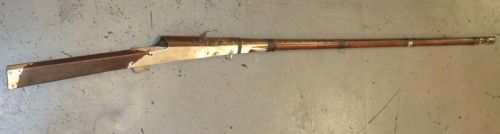


Brass Barrel Gun
A brass barrel gun combines utilitarian metalwork with historic maritime and military might.
Brass Barrel Gun
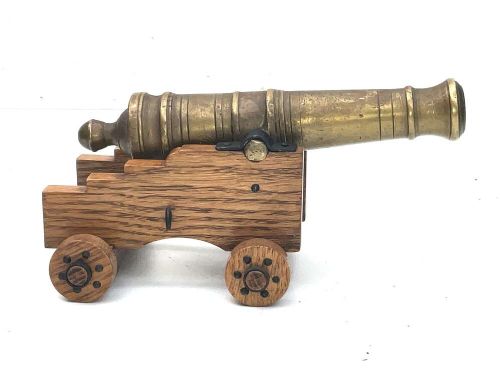
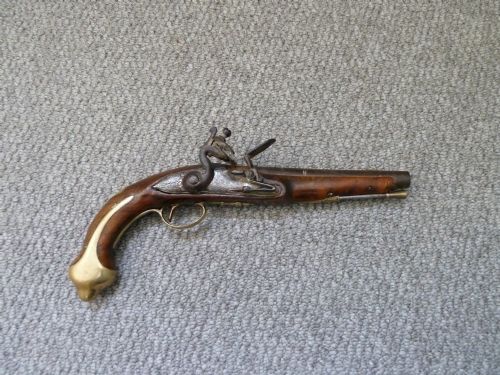
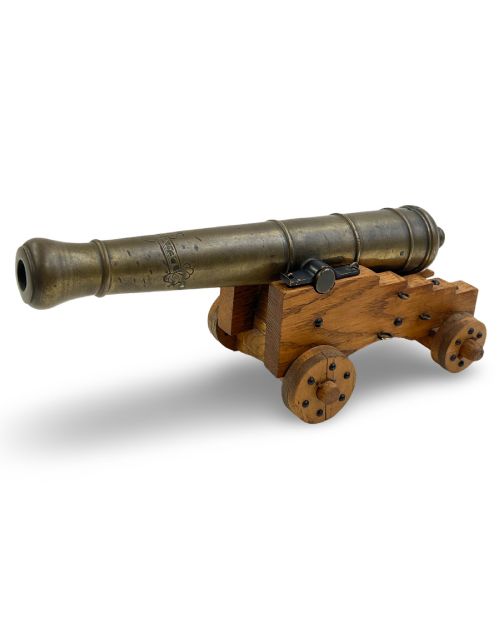
A brass barrel gun encompasses antique firearms and signal cannons spanning the eighteenth and nineteenth centuries, including Georgian and Napoleonic examples. These pieces range from regulation military pistols and blunderbusses to ship cannons and matchlock muskets originating from Britain, France, India, and the Ottoman Empire.
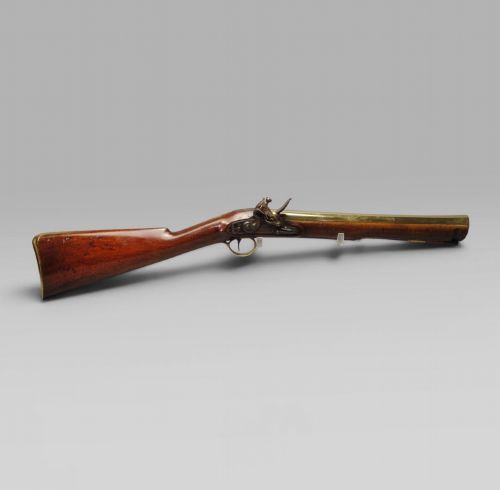
The most common forms on this page are flintlock pistols and blunderbusses featuring gleaming metal tubes alongside wooden stocks. Collectors encounter items tailored for naval service, cavalry use, and officers' personal defence.
Origins stretch across European maritime powers and Eastern traditions, demonstrating how functional ordnance intersected with decorative craftsmanship during periods of global conflict and exploration.
Materials and construction
Makers utilised cast brass and bronze for the barrels to resist corrosion in marine environments, pairing them with stocks carved from dense timbers such as walnut and oak. Iron and steel components formed the internal lock mechanisms, springs, and trigger assemblies required for discharge.
Intricate surface detailing often involved bone inlay and engraved metal lock plates. Stock furniture combined brass side plates and ramrod pipes secured with pins to wooden bodies.
Brass Barrel Gun Retail Price Guide 2026
Typical asking prices for brass barrel gun among the pieces listed under this phrase on Sellingantiques today, from the lower quarter to the upper quarter. They describe what is for sale here now, not the wider market.
The inventory spans the eighteenth century, the nineteenth century, and the Georgian era.
Assessing craftsmanship and condition
The distinction between standard ordnance and superior pieces lies in the crispness of maker inscriptions, engraved lock plates, and the integration of decorative elements like bone inlay. Finer examples display harmonious proportions between the metal barrel and the carved wooden stock.
Originality of components and the survival of functioning mechanisms elevate an item's standing. Evidence of period wear on stocks sits alongside clean metal casting as indicators of historical integrity.
Henry Nock·Wilson
The Brass Barrel Gun Glossary
- Flintlock
- A firearm ignition mechanism that uses a flint striking against a steel frizzen to create sparks for gunpowder ignition. This system dominated military and civilian arms throughout the eighteenth and early nineteenth centuries.
- Blunderbuss
- A muzzle-loading firearm with a flared barrel designed to scatter shot at close range. These were frequently utilised on ships and mail coaches for defence.
- Signal cannon
- A small piece of ordnance used on vessels or estates to fire blank charges for communication or celebration. They typically feature heavy bronze or brass barrels mounted on wooden carriages.
- Miquelet
- A type of flintlock ignition mechanism common in Spain, the Balkans, and parts of the Ottoman Empire. It uses external mainsprings and a combined battery and frizzen.
- Toradar
- A traditional South Asian matchlock firearm featuring a long barrel and extensive inlay work. These arms represent key developments in eastern weaponry during the late eighteenth century.
Brass Barrel Gun: Frequently Asked Questions
What is a brass barrel gun?
A brass barrel gun is an antique firearm or small cannon featuring a metal barrel cast from brass or bronze. These pieces include flintlock pistols, blunderbusses, and ship cannons.
Designed for military, naval, and personal protection, they date primarily from the eighteenth and nineteenth centuries across various global regions.
How were they used historically?
These weapons served military forces, naval crews, and private citizens for close-quarters combat and signalling. Blunderbusses guarded mail coaches and ship decks, while pistols equipped cavalry and officers.
Signal cannons communicated across water or land through loud reports rather than projectiles.
How do I care for a brass barrel gun?
Keep these items in a stable environment away from excess moisture to protect the wooden stocks and metal parts. Light dusting and occasional gentle cleaning of the metal surfaces preserve their historic finish.
Avoid abrasive polishes that remove patination or damage delicate engravings and maker marks.
How are different periods identified?
Periods are identified through lock styles, barrel shapes, stock designs, and specific government or maker stamps. Characteristics such as flintlock mechanisms point to the eighteenth century, while later forms incorporate percussion systems.
Markings related to military towers or specific monarchs help narrow down production dates.