



Brass and Wood Bucket
When you handle a brass and wood bucket, you meet centuries of craftsmanship uniting sturdy timber and bright metal for domestic warmth and hospitality.
Brass and Wood Bucket
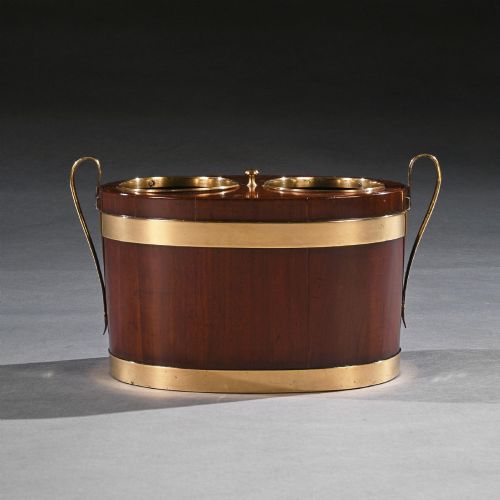
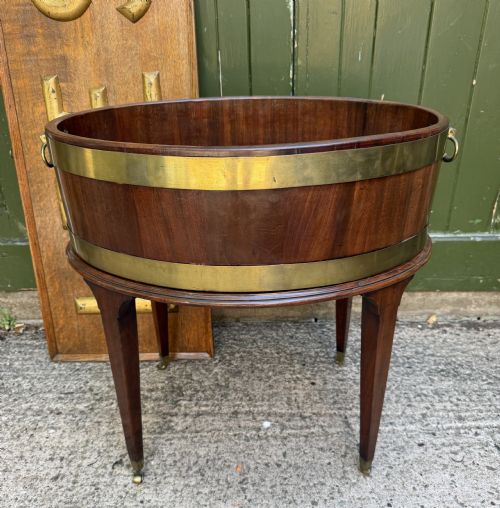
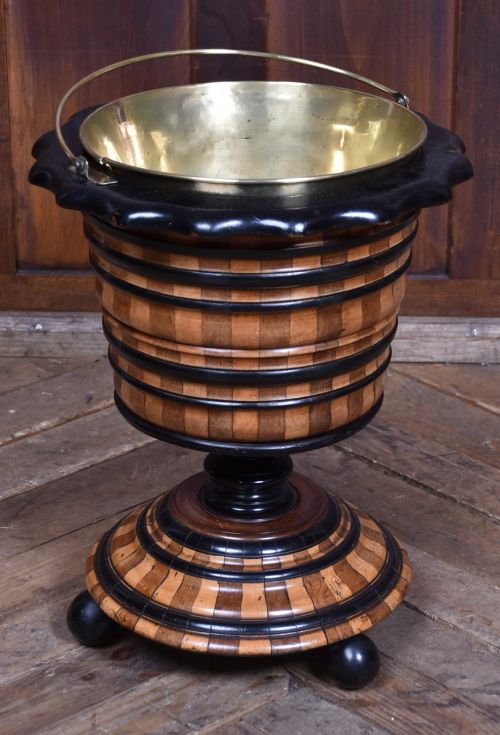
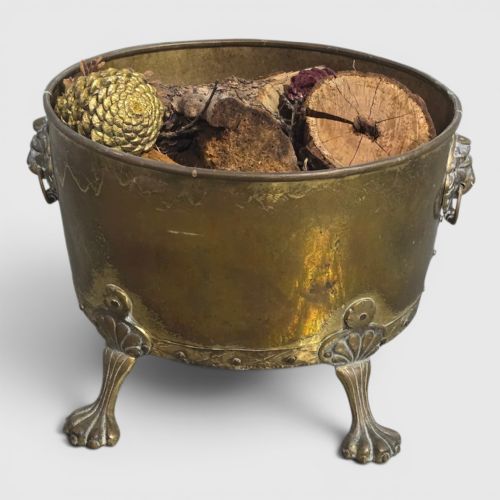
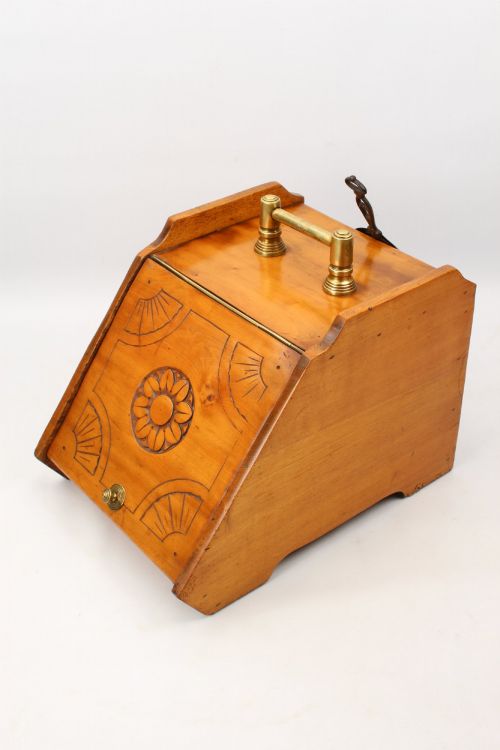
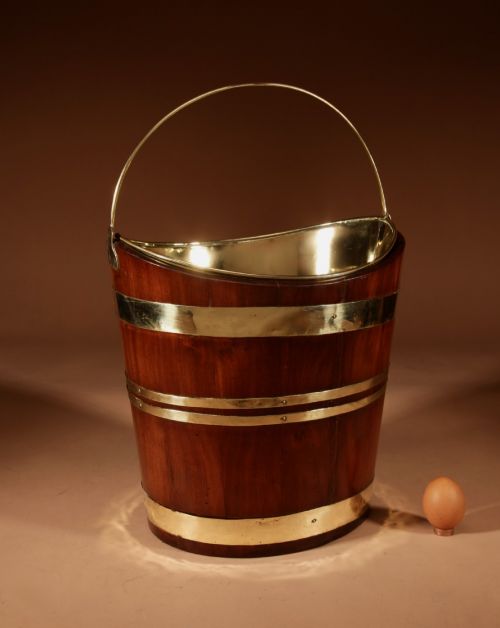
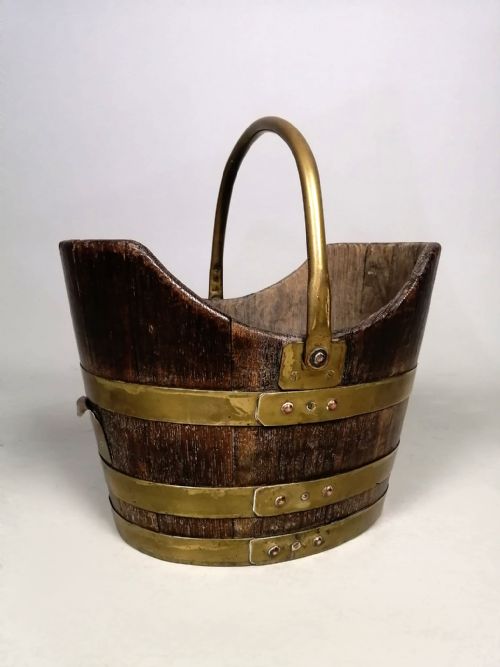
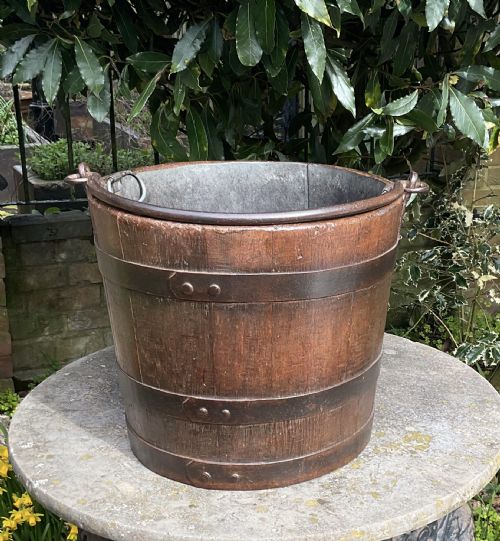
A brass and wood bucket serves multiple historical domestic functions, appearing on this page as wine coolers, peat buckets, coal bins, and jardinieres. Buyers examining these pieces encounter forms ranging from boat-shaped schuitjes to oval George III vessels and Dutch teestoofs.
The materials combine structural timber with bright metal bands, liners, and swing handles. Mahogany, oak, walnut, and ebonised wood predominate, secured by solid brass mountings and sometimes paired with copper elements.
Origins span Georgian, Victorian, and Edwardian eras, with distinct Dutch traditional influences visible in coopered peat buckets and tea stoves. These objects transitioned from functional hearthside storage and dining room service to decorative plant holders over time.
Materials and construction
Coopering forms the core construction method for these vessels, using shaped staves of mahogany, oak, or walnut bound tightly together. Skilled artisans shaped the wooden staves to create round, oval, or boat-like profiles without modern adhesives.
Heavy brass bands, often secured with pins or rivets, encircle the wooden bodies to provide structural tension and decorative contrast. Interior metal liners, frequently in brass or copper, protected the porous wood from moisture and burning fuel.
Brass and Wood Bucket Retail Price Guide 2026
Typical asking prices for brass and wood bucket among the pieces listed under this phrase on Sellingantiques today, from the lower quarter to the upper quarter. They describe what is for sale here now, not the wider market.
Listings feature items spanning the Georgian, Victorian, and Edwardian eras, constructed from mahogany, oak, walnut, and brass.
Distinctions in quality
Quality rests upon the crispness of the cooperage, the weight and gauge of the brass bands, and the retention of original liners and stands. Pieces featuring refined timber grain, such as figured mahogany or rich walnut, sit above standard utility items.
Proportion and form dictate desirability, separating simpler utilitarian coal scuttles from elegant boat-shaped wine coolers and inlaid tea stoves. The integrity of the timber, minimal structural timber replacement, and untouched patination define the upper tier.
The Brass and Wood Bucket Glossary
- Coopered
- Constructed from curved wooden staves bound together with metal hoops, much like a traditional barrel. This method provides the structural strength required for holding coal, peat, or wine.
- Teestoof
- A Dutch footstove or peat bucket, frequently incorporating a metal liner to hold glowing embers or warm tea equipment. These pieces often exhibit distinctive regional European proportions.
- Schuitje
- A boat-shaped vessel style, often applied to peat buckets and jardinieres originating from Dutch traditions. The curved rim resembles the hull of a small watercraft.
- Purdonium
- A Victorian coal box featuring a sloping front door and a shovel compartment, designed for domestic hearthside use. These items bring mechanical convenience to coal storage.
- Jardiniere
- An ornamental pot or stand for holding plants and flowers, frequently adapted from earlier wine coolers or peat buckets. They protect surfaces while displaying greenery indoors.
Brass and Wood Bucket: Frequently Asked Questions
What is a brass and wood bucket?
A brass and wood bucket is a coopered wooden vessel reinforced with brass bands, historically used for holding wine, coal, peat, or dining plates.
Today, buyers frequently utilise these sturdy containers as log bins, umbrella stands, or decorative plant planters.
How were peat buckets used?
Peat buckets stored dried turf near the hearth to feed indoor fires in Georgian and Victorian homes.
Their metal liners contained ash and moisture, protecting the wooden staves from the damp fuel stored inside.
Can I use these outdoors?
These antique vessels are constructed from traditional timbers and metals intended for interior domestic environments.
Placing them outside exposes the antique wood and brass to weather fluctuations that can compromise the coopered joints.
How do I date a bucket?
Dating relies on timber selection, such as early mahogany versus later oak, alongside the style of brass mountings and manufacturing marks.
Georgian examples tend to display refined oval proportions, while Victorian and Edwardian pieces often serve heavier utility roles.