





Brass and Steel Iron
Brass and steel iron items combine polished metal highlights with sturdy hearth ironwork, offering traditional utility and period character for the fireplace.
Brass and Steel Iron
When you search for brass and steel iron, you encounter hearth equipment and domestic metalwork primarily originating from the eighteenth, nineteenth, and early twentieth centuries. The selection centres heavily on fireside tools, companion sets, fire grates, and fenders, alongside occasional utility pieces like padlocks, safes, and bread racks.
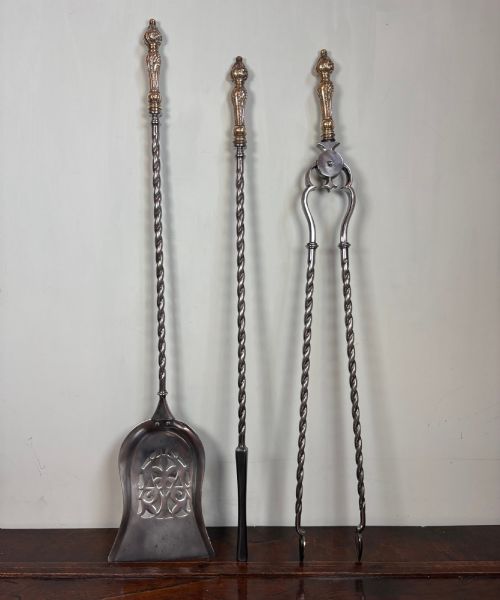
Most items you meet on this page hail from the Victorian, Georgian, and Edwardian eras, reflecting domestic routines centred around coal and wood fires. These pieces range from simple three-piece tool sets to elaborate club fenders and footmen designed for daily use in period homes.
Materials and construction methods
Makers utilised combinations of cast iron, wrought iron, and steel for the structural and functional components of each object, ensuring durability at high temperatures. Steel provided the strength needed for pokers and tongs, whilst cast iron formed heavy bases and grates.
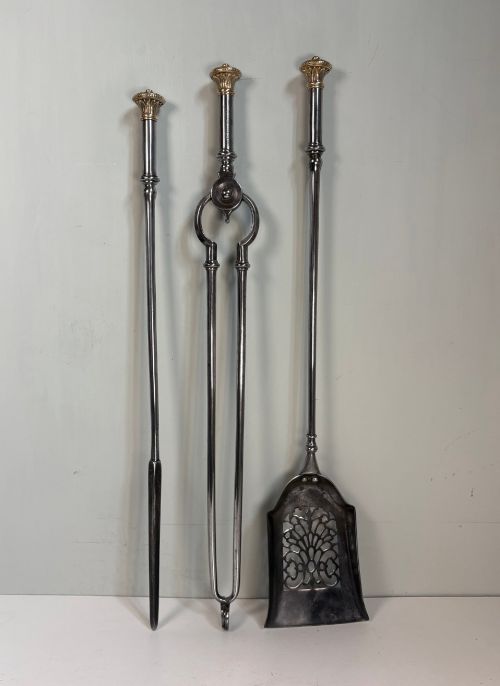
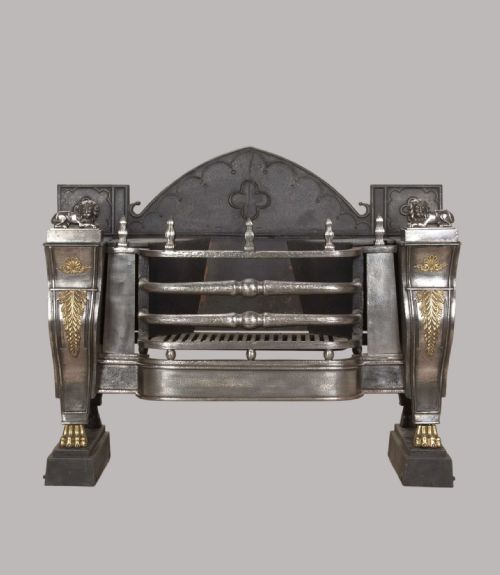
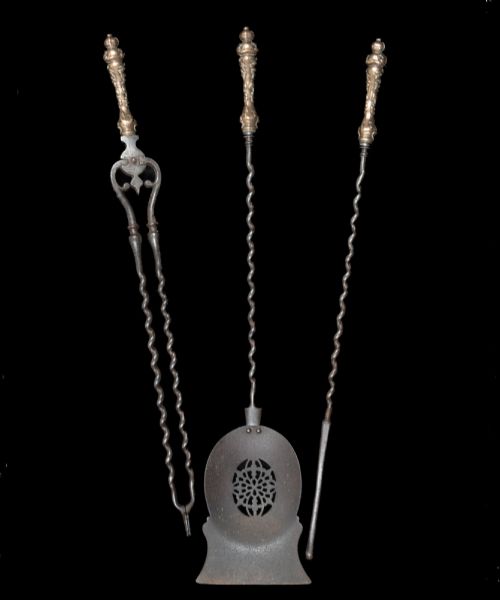
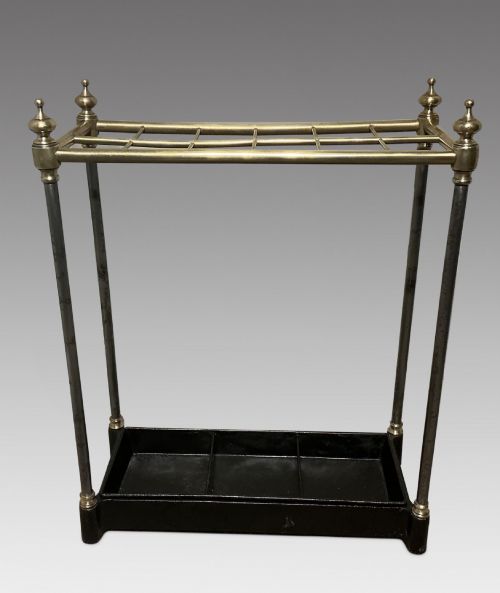
Bright brass and gilt brass components were incorporated as decorative accents, visible in handles, finials, and fender rails. These mixed-metal constructions required skilled blacksmithing and brass-turning techniques to join divergent metals securely.
Brass and Steel Iron Retail Price Guide 2026
Typical asking prices for brass and steel iron among the pieces listed under this phrase on Sellingantiques today, from the lower quarter to the upper quarter. They describe what is for sale here now, not the wider market.
Listings span the eighteenth century through to the early twentieth century, featuring iron, steel, brass, and gunmetal across various hearth and utility forms.
Assessing quality in mixed-metal antiques
Quality reveals itself in the weight of the metal and the precision of the joinery between brass elements and steel shafts. Heavier companion sets and robustly cast fenders indicate superior material thickness and careful foundry work.
Finishing touches separate utilitarian items from finer examples, noticeable in the crispness of turned brass handles and the balanced proportions of classical design motifs. Superior pieces retain well-fitted parts and harmonious proportions across every component.
The Brass and Steel Iron Glossary
- Companion set
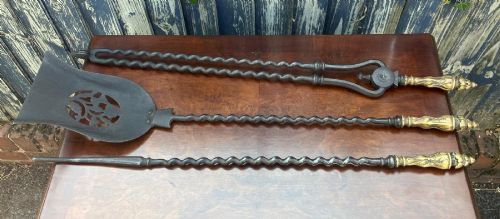
- A collection of fireside tools, typically including a poker, tongs, and a shovel, designed to be stored together on a stand or fender. These sets served both functional and decorative purposes beside the hearth.
- Fire fender
- A low metal guard placed around the hearth to contain stray embers and protect the room. Fenders often incorporated upholstered seating or integrated tool racks.
- Footman
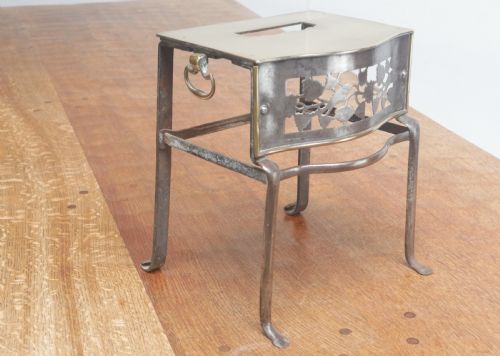
- A metal stand placed in front of the fire to keep food warm or to heat water. Georgian and Victorian examples frequently combined iron frames with brass handles.
- Gunmetal
- A type of bronze composed of copper, tin, and zinc utilised for durable hearth hardware and fittings. It offers high resistance to corrosion and wear.
- Hob grate
- A fireplace grate featuring solid side platforms for heating kettles and pots. These grates defined nineteenth-century domestic kitchen and parlour heating.
Brass and Steel Iron: Frequently Asked Questions
What tools are included in a fireside companion set?
A standard set generally comprises a poker for adjusting fuel, a pair of tongs for handling coal, and a shovel for clearing ash. These implements are usually arranged on a matching stand or hung from a dedicated rack.
Historical sets often feature heavy steel shafts paired with decorative brass handles to complement the surrounding hearth furniture.
How do I clean brass and steel hearth tools?
Maintenance involves removing soot and dust with a dry cloth and applying appropriate metal polishes sparingly to brass elements. Steel components benefit from a light application of protective oil to prevent surface oxidation.
Avoid abrasive pads that can scratch the polished surfaces of eighteenth and nineteenth-century metalwork.
What is the difference between a club fender and a standard fender?
A club fender incorporates upholstered leather or fabric top rails that serve as low seats around the fireplace. Standard fenders consist solely of metal rails designed strictly for hearth protection.
Club fenders became popular in large country houses during the Victorian era for social gatherings near the fire.
How can I date an iron and brass footman?
Dating relies on examining the construction marks, leg styles, and the method used to attach the brass handles to the iron body. Georgian examples often feature slender cabriole legs and hand-forged joints.
Later Victorian versions tend to display heavier cast components and more standardised assembly techniques.