





Brass and Porcelain Figure
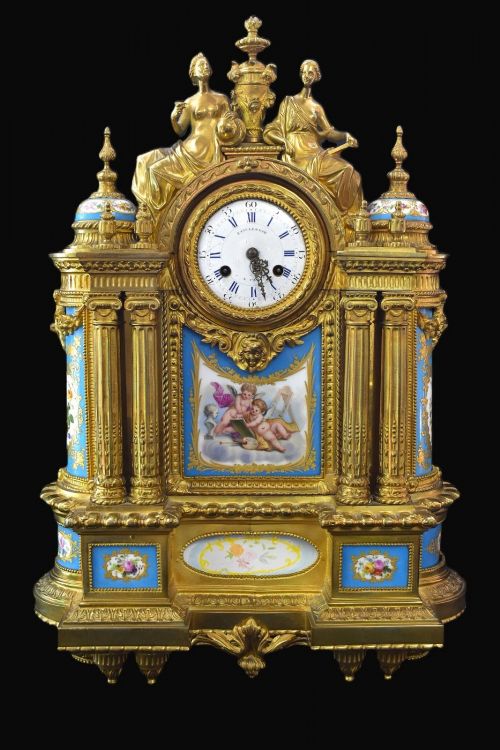
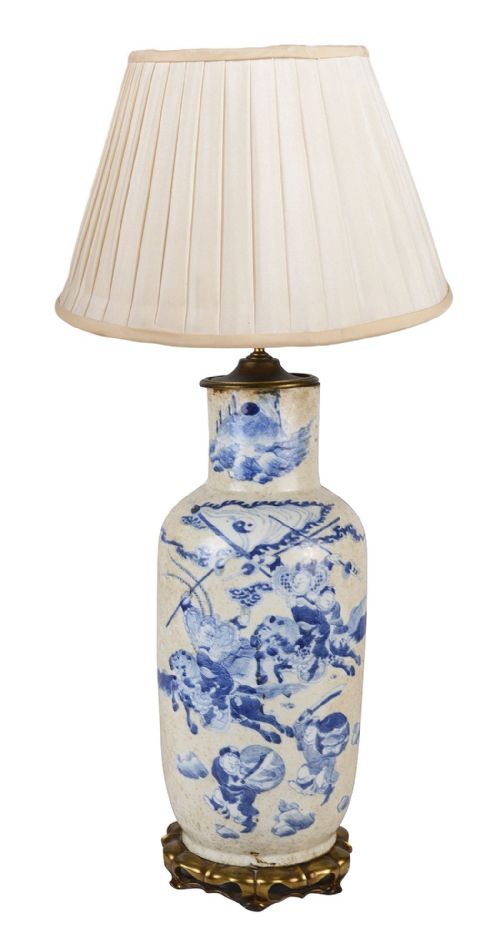
A brass and porcelain figure merges cast metal mounts with ceramic bodies to create striking decorative lamps and mantel clocks.
Brass and Porcelain Figure
When you search for a brass and porcelain figure, you encounter decorative objects that combine ceramic bodies with metal mounts, most frequently taking the form of table lamps and mantel clocks. These dual-material works span the nineteenth century and the early twentieth century, showing influences from Victorian, Napoleon III, Art Deco, and Chinese Qing Dynasty aesthetics.
The objects on this page predominantly present as converted vases or dedicated sculptural housings, pairing glazed ceramics with cast brass, ormolu, or gilt bronze. You will find items ranging from German porcelain animal lamps and Karl Ens figures to large French mantel clocks and Chinese export vases wired for light.
How they were made
The construction of these pieces relies on the union of fired ceramic bodies with cast ormolu, gilt bronze, or brass mounts. Workshops shaped the porcelain using traditional throwing or moulding techniques before applying hand-painted enamel decoration, famille rose, or blue and white glazes.
Metalworkers then secured the porcelain within structural brass or ormolu frames, adding cast feet, bezels, and decorative handles to complete the composition. Silk shades and glass components were often integrated later when vases were adapted into lamps during the Victorian and Edwardian periods.
Brass and Porcelain Figure Retail Price Guide 2026
Typical asking prices for brass and porcelain figure among the pieces listed under this phrase on Sellingantiques today, from the lower quarter to the upper quarter. They describe what is for sale here now, not the wider market.
A porcelain spitz dog sits quietly among the clocks, guarding the time with Victorian sternness.
What varies in quality
Quality in these mixed-media pieces rests upon the crispness of the metal casting and the artistry of the porcelain painting. Finer examples display deeply chased ormolu mounts with sharp definition, while lesser pieces rely on simpler, smoother brass work with minimal hand-finishing.
The prestige of the ceramic origin and the precision of the kiln firing also dictate the standing of an object. Hand-painted detail on porcelain figures, such as those by Karl Ens or Viennese potteries, commands greater attention than standard transfer-printed decoration.
Etienne Lenoir·Karl Ens·Anton Buschelberger·Samuel Alcock
The Brass and Porcelain Figure Glossary
- Ormolu
- A gold-coloured alloy of copper, zinc, and sometimes tin cast and finished to resemble solid gold. It is frequently used for the mounts on nineteenth-century French clocks and lamps.
- Famille rose
- A palette of opaque enamel colours dominated by pink, used extensively on Chinese porcelain from the Qing Dynasty onwards. This style appears on several export lamps in the current selection.
- Gilt bronze
- Bronze that has been coated with a thin layer of gold to give a durable, brilliant metallic finish. It provides structural support and decorative framing for porcelain bodies.
- Chinoiserie
- European artistic style reflecting Chinese motifs and techniques, popular during the nineteenth century. It heavily influences several of the decorative vases and lamps seen here.
Brass and Porcelain Figure: Frequently Asked Questions
What is a brass and porcelain figure?
A brass and porcelain figure refers to decorative items that combine ceramic sculptures or vases with metal mounts. These pieces usually function as mantel clocks or converted table lamps.
The category includes Victorian timepieces, German porcelain animal lamps, and Chinese export vases mounted in gilt bronze or brass.
How do you date these pieces?
Dating relies on examining the style of the metal mounts, the type of ceramic body, and any maker marks. Victorian, Napoleon III, and Art Deco periods each display distinct casting styles.
Porcelain glazes and wiring methods also provide clues, as many vases were converted into lamps later in their existence.
Were these originally made as lamps?
Many ceramic bodies were originally vases, figures, or clock cases before being converted into lamps in the nineteenth or twentieth century. Ormolu mounts and clock movements were often added by European makers to luxury porcelain.
Clock housings specifically designed for French and Viennese movements were produced as unified decorative objects from the start.
How should I care for these objects?
Clean the porcelain components gently with a soft, dry cloth to protect the painted glazes and enamels. Avoid harsh chemical cleaners that might damage the surface.
Dust ormolu and brass mounts carefully without abrasive polishes to preserve the patination and gilding.