






Brass and Glass Decor
Brass and glass decor brings together gleaming metal and transparent or reflective panes to catch the light in any interior.
Brass and Glass Decor
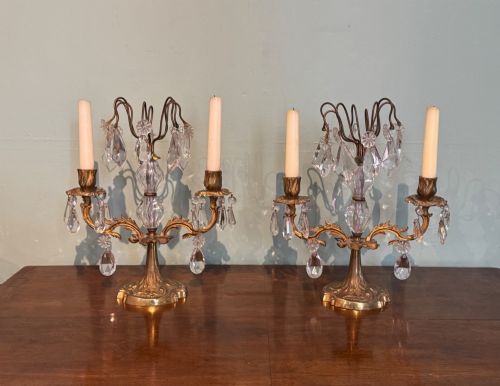
Victorian items form a prominent part of the selection, alongside pieces dated to nineteen thirty and the eighteenth century. Objects utilise materials such as cut glass, gilt brass, and mahogany alongside standard brass and glass.
Materials and construction
Maker construction methods rely on combining heavy cast or spun brass mounts with blown, pressed, or cut glass elements. Metal components provide structural support and decorative framing for transparent vessels, lenses, and mirrored panels.
Surface finishes vary from polished gilt bronze to patinated nineteenth-century brass frames. Glass components are frequently worked by hand, utilising cutting, moulding, and polishing techniques suited to lighting fixtures and scientific instruments.
Brass and Glass Decor Retail Price Guide 2026
Typical asking prices for brass and glass decor among the pieces listed under this phrase on Sellingantiques today, from the lower quarter to the upper quarter. They describe what is for sale here now, not the wider market.
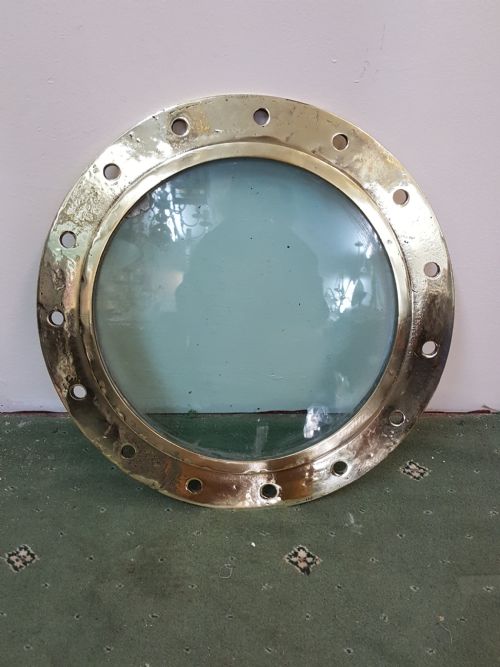
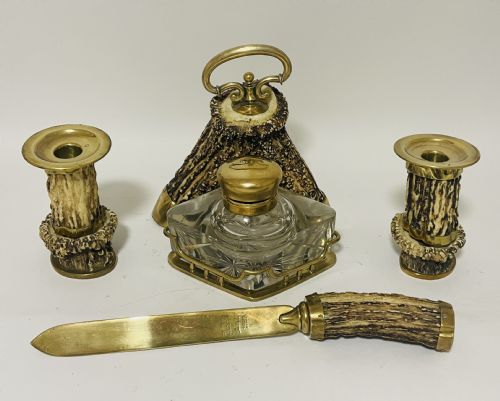
Object forms include oil lamps, spirit dispensing barrels, desk sets, and ocean liner port holes.
Distinctions in quality
Quality in these pieces rests upon the precision of the metal casting and the clarity of the glass elements. Finer examples display crisp detail in chased brass mounts and absence of impurities in cut crystal or glass vessels.
Construction methods also dictate grade, with superior items showing integrated framing where glass and metal fit securely without excess adhesive. The depth of the brass gauge and the hand-finished quality of decorative mounts distinguish high-tier objects.
The Brass and Glass Decor Glossary
- Cut glass
- Glass that has been shaped and patterned by grinding and polishing wheels. This technique creates sharp facets that refract light effectively.
- Gilt brass
- Brass that has been treated with a thin layer of gold or gold-coloured wash. It provides a bright, reflective surface finish.
- Lustre
- A candelabra or candlestick hung with cut glass pendants. These pendants catch and scatter the light from burning candles.
- Thermoscope
- An early instrument used to indicate relative changes in temperature. It relies on the expansion of air or liquid within a glass vessel.
Brass and Glass Decor: Frequently Asked Questions
What is brass and glass decor?
Brass and glass decor comprises antique and vintage items that combine metal frames and fittings with glass components. These objects include lighting fixtures, mirrors, and scientific instruments.
Items range from eighteenth-century table wares to nineteenth-century lighting and accessories. They serve both utilitarian and decorative functions in domestic spaces.
How were these pieces used originally?
Many of these objects served practical purposes in historic homes and public interiors. Oil lamps and lustres provided illumination before electric lighting became widespread.
Other items, such as wheel barometers and desk accessories, assisted with domestic management and navigation. Their decorative metal and glass construction also signalled the status of the owner.
How do I care for antique brass and glass?
Preserving these objects requires gentle cleaning to maintain the original metal patina and glass clarity. Use a soft, dry cloth to remove dust from both surfaces without abrasive cleaners.
Avoid harsh chemical polishes on brass mounts that retain historic patination. Glass components can be wiped with a mild solution where removable from the metal framework.
How can I tell the period of a piece?
Dating relies on observing manufacturing techniques, material combinations, and stylistic motifs associated with specific eras. Georgian and Regency pieces exhibit different casting methods and proportions compared to later Victorian items.
Maker signatures, screw threads, and the composition of the glass also offer clues to age. Comparing construction details helps establish the manufacturing timeframe.