
Brass and Crystal Fixture
A brass and crystal fixture brings together metalwork and glass to illuminate a room with refined sparkle and presence.
Brass and Crystal Fixture
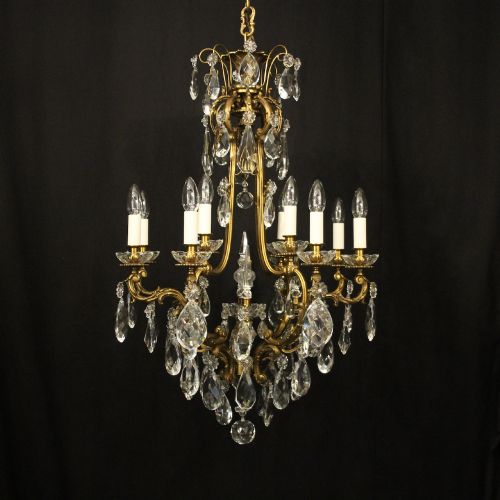
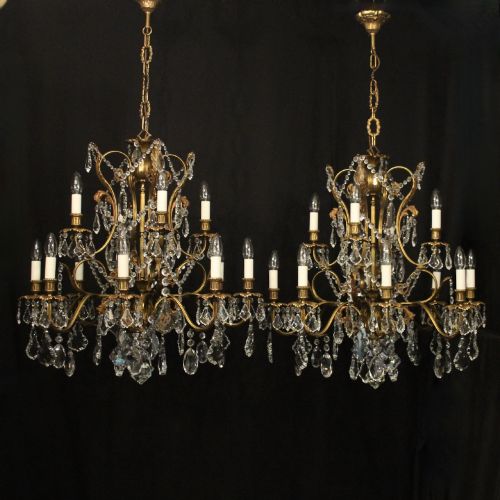
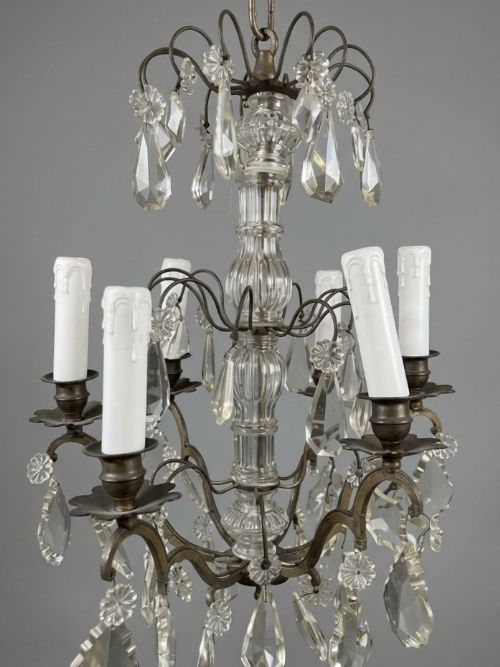
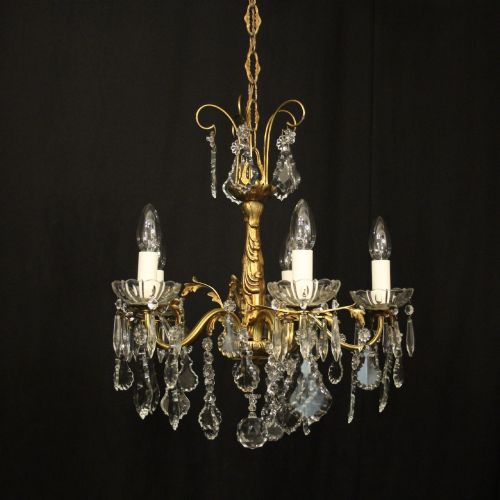
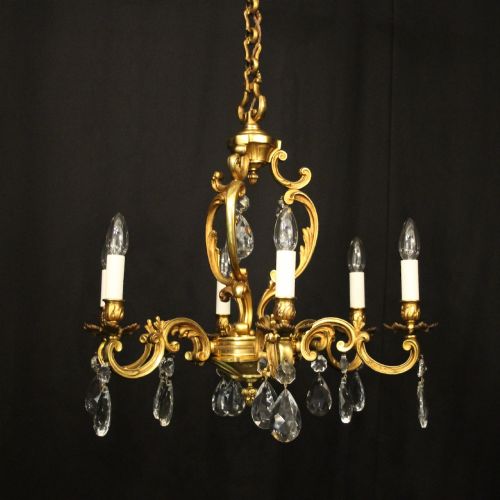
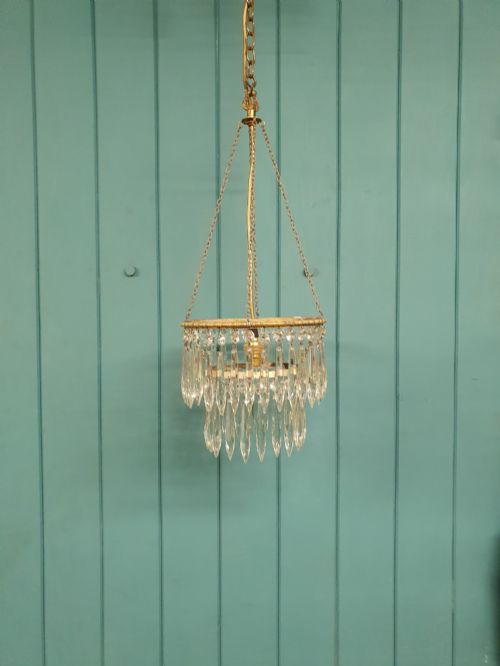
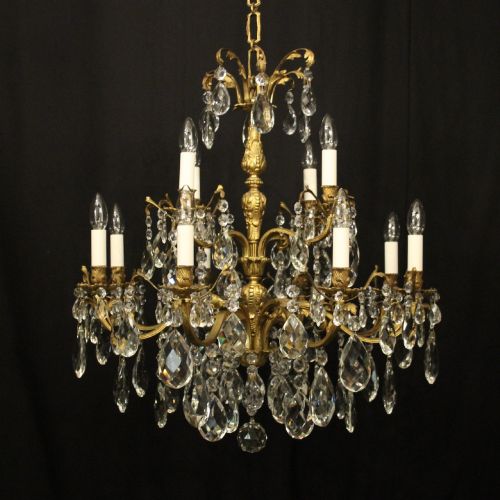
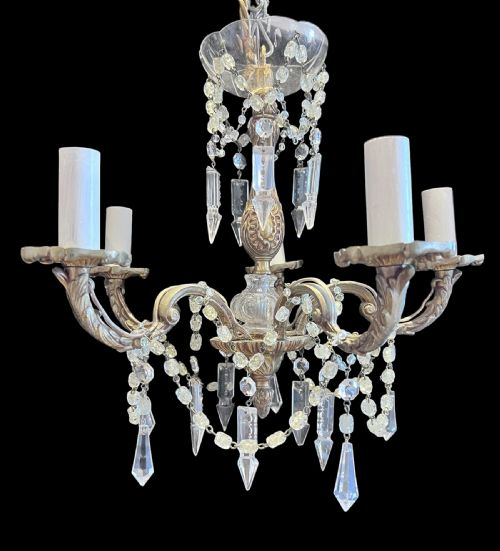
A brass and crystal fixture spans chandeliers, wall lights, and plafonniers designed to diffuse light through suspended glass elements. These pieces emerge from periods ranging from the nineteenth century through the early decades of the twentieth century, with a strong representation of French and Italian origins.
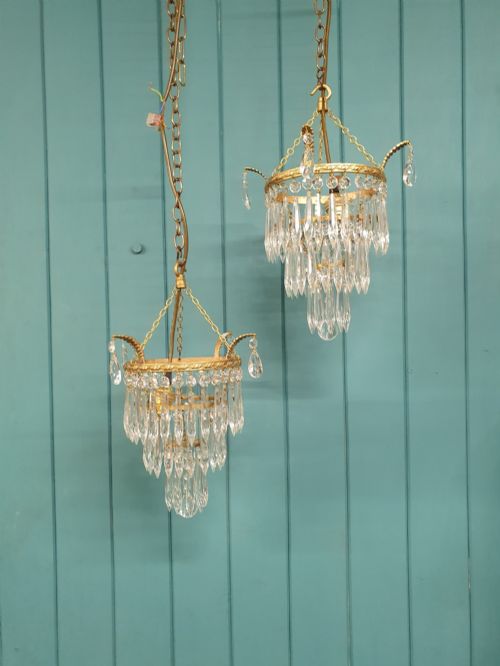
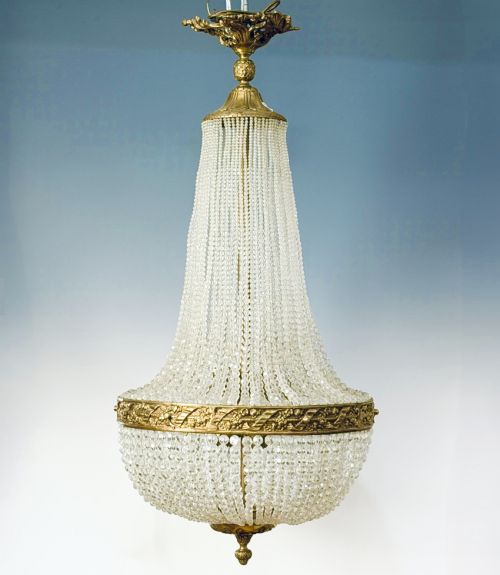
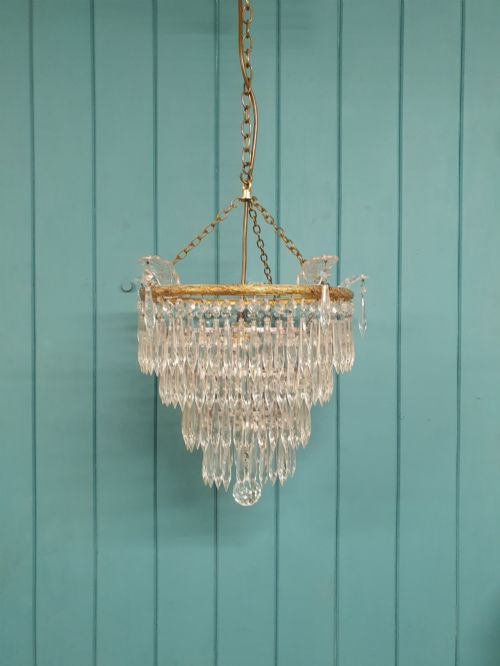
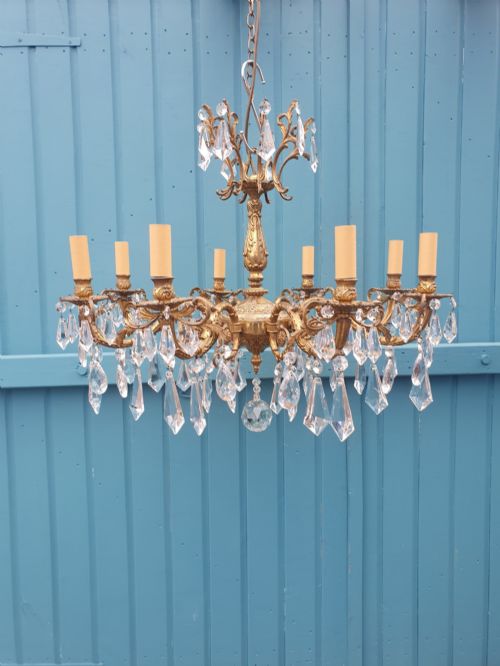
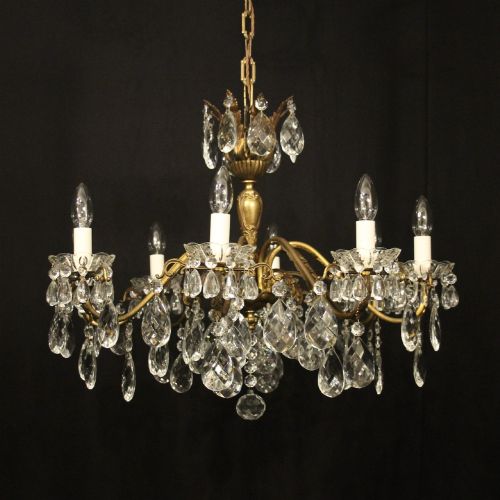
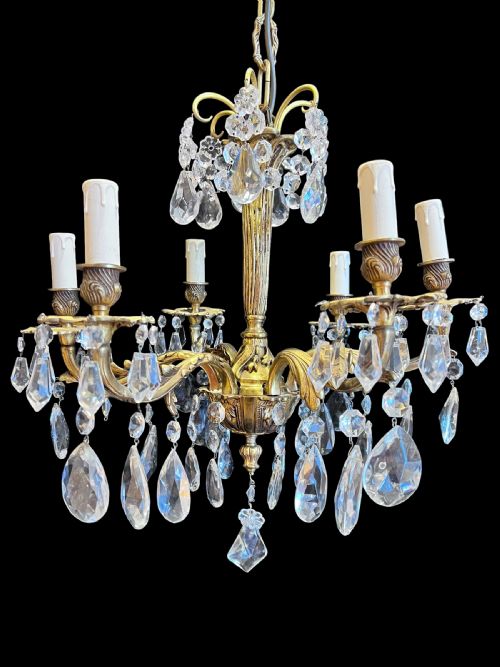
The selections on this page feature multi-arm chandeliers, wall sconces, and hanging fixtures incorporating decorative elements such as tiers, spikes, and lustres. Buyers will find works reflecting styles from French Empire and Rococo to Edwardian and Italian Florentine designs.
How they were made
These fixtures combine metal frames cast in brass, gilt bronze, or ormolu with hand-cut crystal and glass components. Metalwork provides the structural armature, shaped into arms, frames, and backplates, while glass elements are fashioned into prisms, beads, and drops.
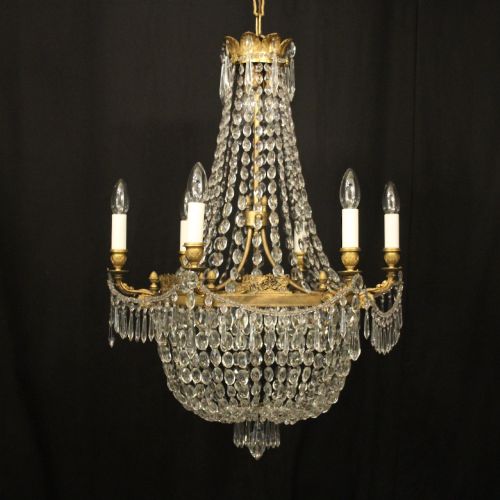
Assembly relies on wire or pinned links to suspend crystal drops from the metal tiers, creating arrangements like tent and waterfall configurations. Gilding is frequently applied to the metal surfaces to enhance the reflection of light.
Some early twentieth-century examples manage to pack twenty-five lights into a compact frame, creating miniature suns of cut glass.
What varies in quality
Quality rests in the weight and clarity of the cast metal and the precision of the glass cutting. Heavier frames with crisp chasing in the brass or bronze distinguish finer examples from simpler stamped or plated alternatives.
The complexity of the glass work also marks the scale of quality, seen in deep hand-cut facets on crystals and elaborate multi-tiered structures. Original mounts and unified suites of matching lustres indicate a higher standard of manufacture.
The Brass and Crystal Fixture Glossary
- Ormolu
- Gilded bronze used extensively in decorative metalwork for mounts and chandelier frames. This technique involves applying finely ground gold to a bronze base.
- Lustre
- A cut glass or crystal pendant suspended from a lighting fixture to catch and refract light. Lustres are typically hung in groupings around the perimeter of a frame.
- Plafonnier
- A ceiling light designed to sit flush or close to the ceiling surface rather than hanging on a long drop. These fixtures often feature bowl-shaped or flat glass panels mounted in a metal frame.
- Tent and waterfall
- A chandelier configuration where strings of crystals form an upper canopy resembling a tent above a cascading flow of drops. This arrangement maximises the reflective surface area.
- Coffin prism
- A flat, elongated crystal pendant with bevelled edges resembling the shape of a traditional coffin. These prisms are commonly found on early twentieth-century fixtures.
Brass and Crystal Fixture: Frequently Asked Questions
How do I hang a heavy chandelier?
These fixtures require secure anchoring into ceiling joists or structural nogging using a rated metal hook and chain to support the combined weight of metal and glass.
Electrical wiring must be routed through the central stem, so consulting a qualified electrician ensures the installation meets safety standards while bearing the load.
What is a Marie Theresa chandelier?
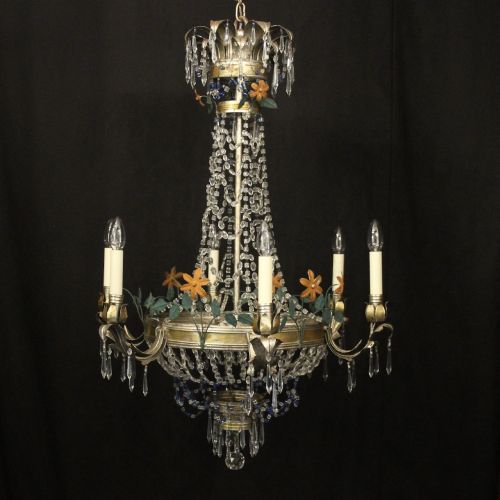
A Marie Theresa chandelier is a specific style characterised by a flat metal frame completely covered by decorative glass plates and crystal swags. Named after the Austrian empress, these pieces conceal much of their metal structure beneath glass embellishments.
They often incorporate coloured crystals or porcelain flower details and project a distinctively ornate silhouette associated with Central European design traditions.
How do I clean brass and crystal fixtures?
Cleaning involves removing individual crystal drops and washing them in warm soapy water before drying them thoroughly with a lint-free cloth. Metal frames should be dusted gently with a soft brush to preserve any existing gilt or patinated finish.
Harsh chemical polishes must be avoided on gilded surfaces to prevent stripping the historic finish from the brass or bronze.
What defines an Empire style fixture?
Empire style lighting draws on classical Roman and Greek motifs, featuring symmetrical arrangements, urn-shaped central stems, and laurel leaf or palmette decorations. These pieces often utilise gilt bronze and structured tent and waterfall crystal designs.
Dating primarily from the nineteenth century, they offer a formal and architectural presence compared to the more fluid curves of later Rococo revival pieces.