





Brass and Copper Decor
Brass and copper decor brings warmth and utility into a room through hardworking metal objects shaped by centuries of craft.
Brass and Copper Decor
Brass and copper decor encompasses a broad range of domestic and utilitarian objects forged from these metals, spanning periods from the eighteenth century through to the twentieth century. When searching for brass and copper decor, buyers encounter functional hearth equipment, vessels, and decorative wall pieces originating from English, Middle Eastern, and Asian workshops.
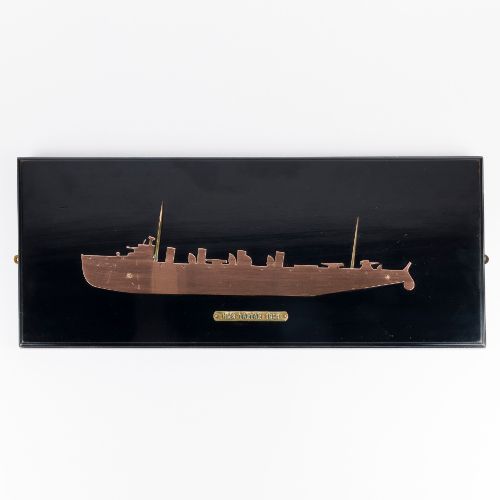
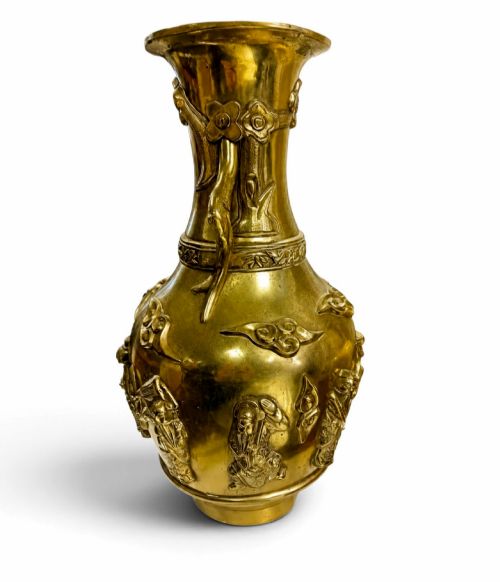
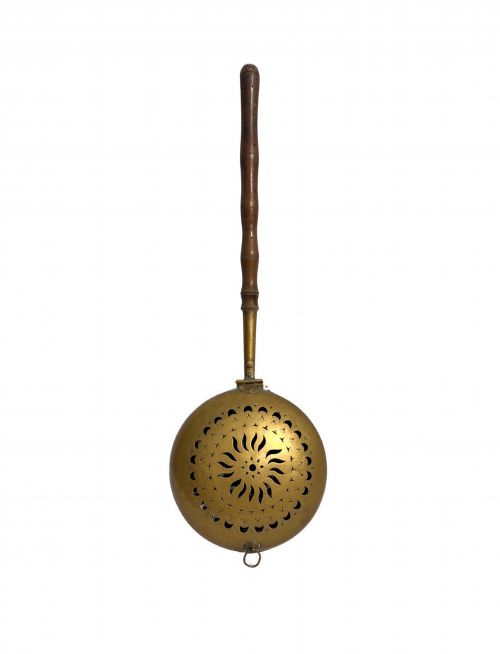
The selections on this page typically feature coal scuttles, warming pans, kettles, and coaching horns alongside wall chargers and baluster vases. These items reflect both the industrial output of the Victorian and Edwardian eras and the decorative traditions of Persian and Chinese makers.
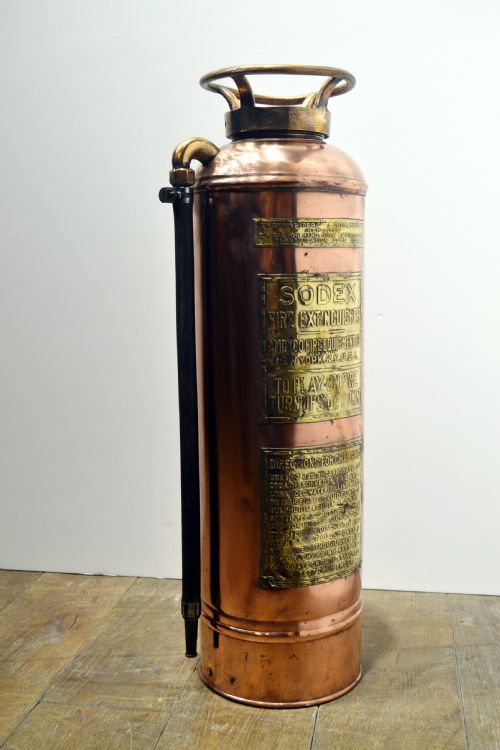
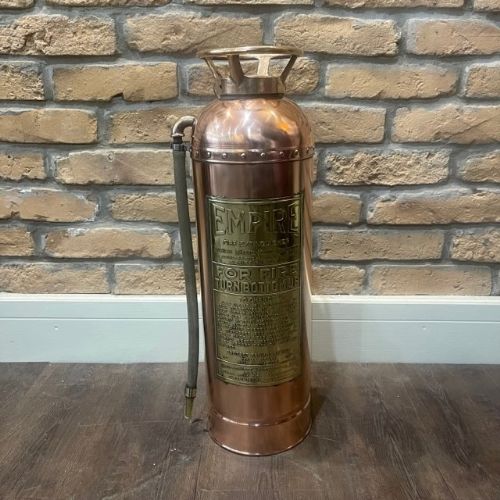
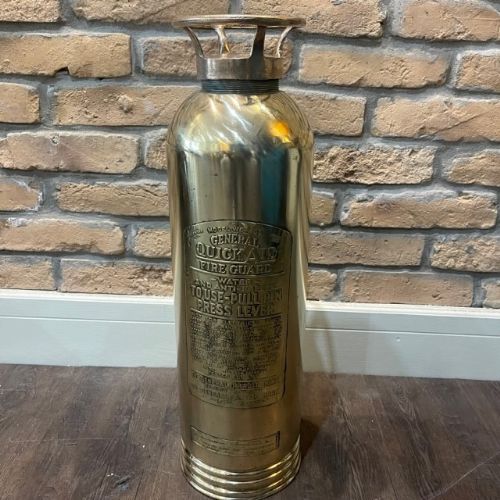
Domestic items such as coal helmets and fire extinguishers sit alongside more ornamental pieces like high-relief vases and ship lanterns. Each object demonstrates the practical application of metalworking techniques to everyday household items of past centuries.
Materials and construction methods
Objects in this category rely primarily on brass and copper, frequently combined with wood handles, metal fittings, or stone elements. Artisans utilised hand-piercing, high-relief casting, and hammering techniques to shape the metal sheets and alloys into vessels and decorative accessories.
Manufacturing methods range from the heavy industrial production seen in Victorian coal scuttles and ships lanterns to intricate hand-pierced decoration on Indian wall chargers. Surface finishes include polished brass, patinated copper, and copper-alloy castings that display distinct maker marks or period styling.
Brass and Copper Decor Retail Price Guide 2026
Typical asking prices for brass and copper decor among the pieces listed under this phrase on Sellingantiques today, from the lower quarter to the upper quarter. They describe what is for sale here now, not the wider market.
The documented periods range from George III and the Victorian era through to Edwardian, 1920, and 1930 designs.
Distinctions in quality and execution
Quality in these metal objects depends on the weight of the material, the crispness of any chased or high-relief decoration, and the integrity of the construction. Heavier gauges of brass and copper indicate durable domestic items designed for heavy hearth use.
The refinement of surface detail distinguishes standard production pieces from finer examples, such as intricately pierced wall chargers or well-cast baluster vases. Original components like wooden handles, brass hinges, and complete tea services contribute to the overall integrity of the piece.
The Brass and Copper Decor Glossary
- Coal scuttle
- A container designed for holding coal near a fireplace, frequently styled as a helmet in brass or copper during the Victorian period. These items combined functional storage with polished domestic display.
- Baluster vase
- A tall vessel shaped with a swelling lower portion resembling a baluster column. Examples in this category often feature high-relief copper-alloy casting and traditional Asian motifs.
- Warming pan
- A long-handled metal pan filled with hot embers and passed between bedsheets to warm a bed before sleeping. They were commonly fashioned from sheet copper with hinged brass lids.
- Coaching horn
- A long brass or copper horn sounded by coach guards to signal arrival and clear the road. These instruments demonstrate the period use of thin-gauge rolled metal tubing.
- Wall charger
- A large decorative metal plate or dish intended for hanging on a wall rather than dining use. Artisans often decorated these surfaces with hand-pierced patterns and engraved motifs.
Brass and Copper Decor: Frequently Asked Questions
How do I clean brass and copper decor?
Cleaning depends on whether you wish to maintain an aged patina or achieve a bright metallic shine. Gentle dusting and appropriate metal cleaners preserve the surface without removing historical wear.
Avoid abrasive compounds that can thin the metal or erase delicate hand-chased details.
Are these items functional or purely decorative?
Many pieces began as utilitarian household goods such as coal scuttles, kettles, and fire extinguishers. Over time, their primary role shifted toward interior decoration and display.
Certain items remain usable, while others serve best as focal points in period or industrial interiors.
How do I date a brass or copper object?
Dating relies on manufacturing techniques, material composition, and stylistic clues typical of periods like the Georgian, Victorian, or Edwardian eras. Heavy cast components and hand-hammering often point to earlier production methods.
Maker marks, where present, help confirm the origin and specific time period.
Where were these metal objects made?
The pieces originate from diverse regions, reflecting British domestic workshops, European industrial centres, and Middle Eastern or Asian metalworking traditions. British country and Victorian pieces sit alongside Persian and Chinese items.
This global spread accounts for the varied decorative styles found within the category.