





Brass and Alabaster
Brass and alabaster pieces combine warm metalwork with softly translucent stone, bringing decorative presence to period interiors.
Brass and Alabaster
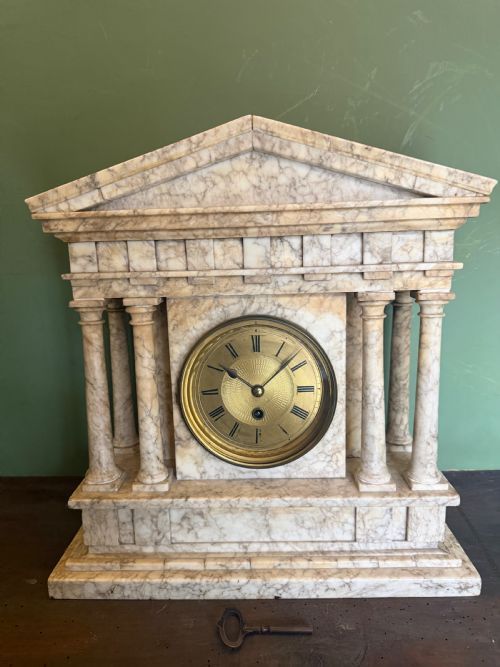
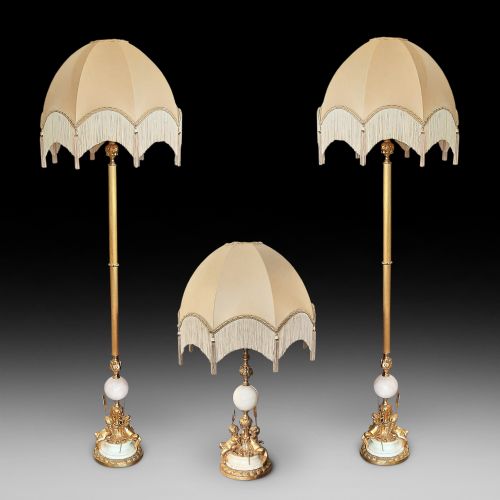
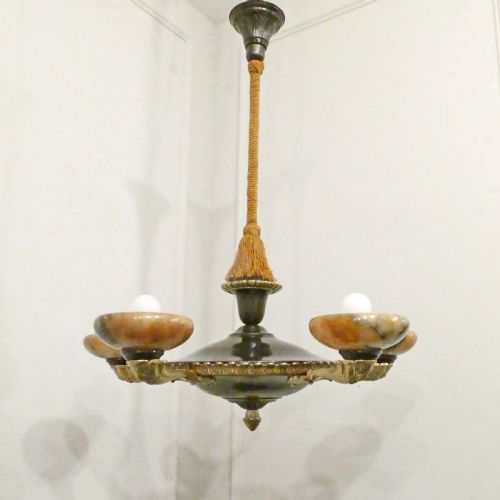
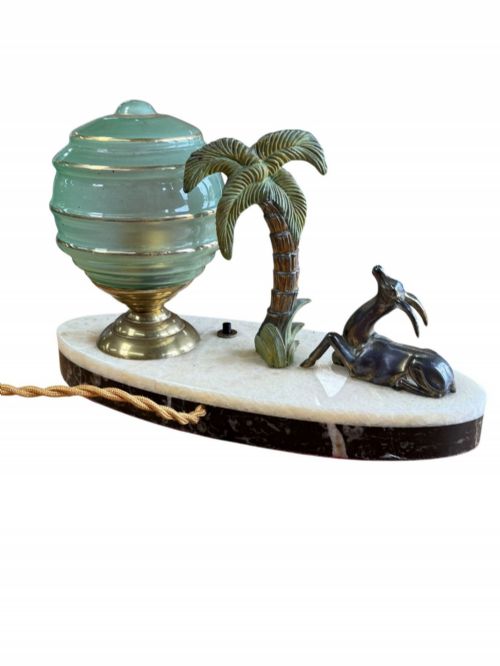
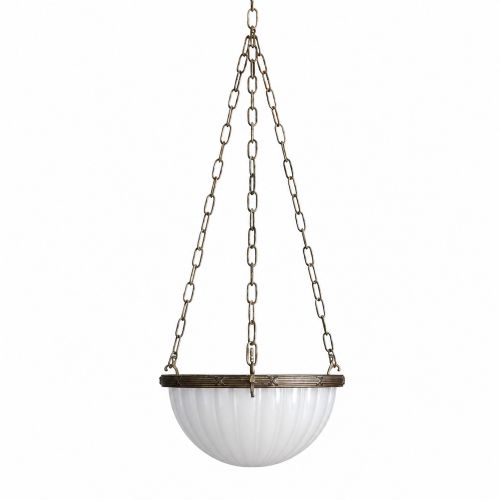
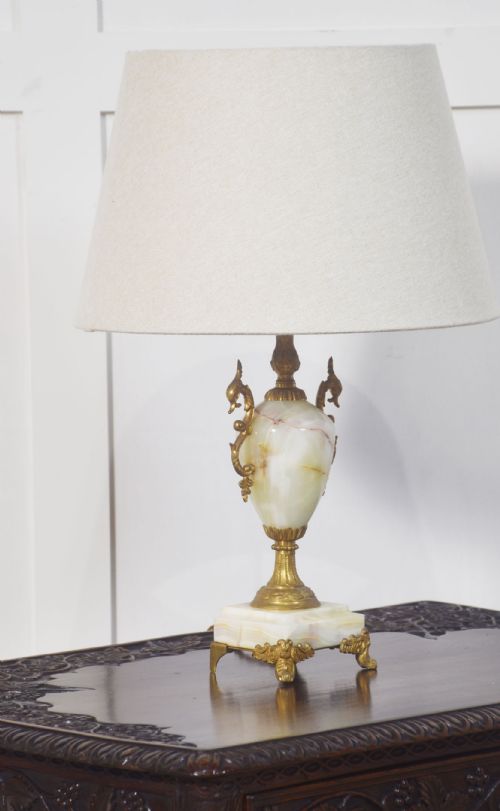
Brass and alabaster objects span functional lighting and decorative timepieces, with table lamps, chandeliers, and mantel clocks dominating the selection.
The material combination bridges several decorative movements, appearing in Victorian, Edwardian, and Art Deco designs from the nineteenth and early twentieth centuries.
Buyers encounter French and Spanish influences alongside English pieces, ranging from hanging dish lights to sculptural clock garnitures.
How they were made
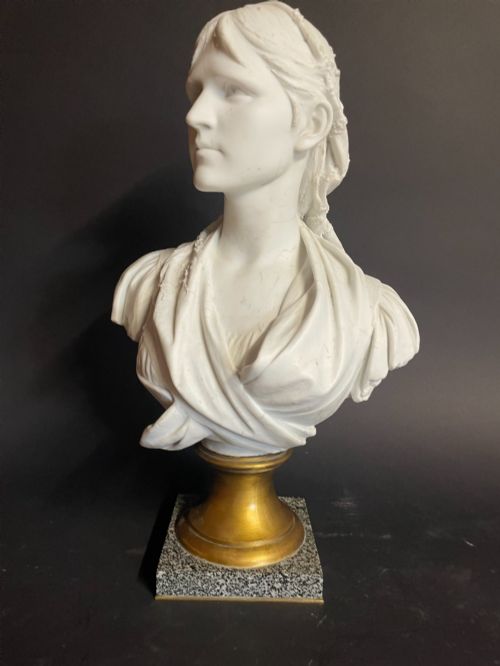
Craftsmen shaped alabaster by carving or turning the stone to achieve translucent bowls, bases, and clock housings that diffuse light evenly.
Metal components utilise brass, gilt bronze, and ormolu, often cast and chased with classical motifs to mount and support the stone elements.
Brass and Alabaster Retail Price Guide 2026
Typical asking prices for brass and alabaster among the pieces listed under this phrase on Sellingantiques today, from the lower quarter to the upper quarter. They describe what is for sale here now, not the wider market.
Some Victorian mantel clocks arrived under glass domes designed to protect delicate dust-gathering alabaster from the perils of coal fires.
What varies in quality
The refinement of the carving dictates the distinction between standard production and superior examples, particularly in figural details and floral mounts.
The weight and purity of the alabaster or marble influence the visual depth, while the precision of the brass casting determines the crispness of the overall silhouette.
The Brass and Alabaster Glossary
- Alabaster
- A fine-grained, translucent stone used for lamp bowls and clock cases. It allows light to diffuse gently through its surface.
- Ormolu
- Gilt bronze mounts applied to furniture and clocks. The technique involves a mercury amalgam fired onto a brass or bronze base.
- Garniture
- A set of matching decorative objects for a mantelpiece, typically comprising a central clock flanked by candelabras or urns.
- Pietra dura
- An inlay technique utilising cut and fitted polished coloured stones to create pictorial designs on marble or metal surfaces.
Brass and Alabaster: Frequently Asked Questions
Can antique clocks still keep accurate time?
Most antique mechanical clocks function well when serviced by a professional horologist. Regular cleaning and proper leveling ensure the pendulum beats correctly.
Treat the movement with care by avoiding over-winding and keeping the clock away from damp or drafty locations.
Are these table lamps safely wired?
Many older lamps retain original wiring that requires updating for modern safety standards. A qualified electrician can rewire the fixture while preserving historical brass components.
Check the lamp holder and cord condition before plugging any vintage lighting into a mains supply.
How do I date a brass and alabaster clock?
Examine the style of the brass mounts and the dial typography to identify the period of manufacture. French movements often bear maker stamps or serial numbers on the backplate.
Stylistic cues such as neoclassical columns or geometric Art Deco lines further narrow down the decade of production.