

Brass Accented Table
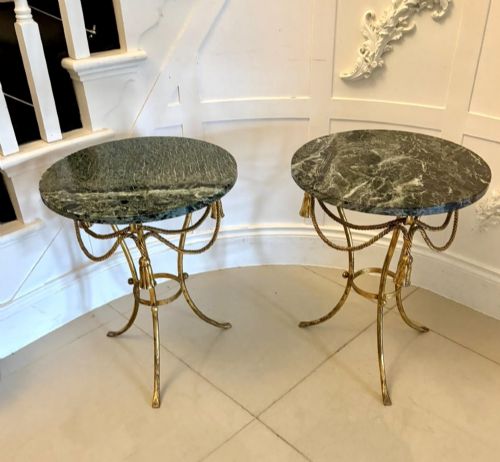
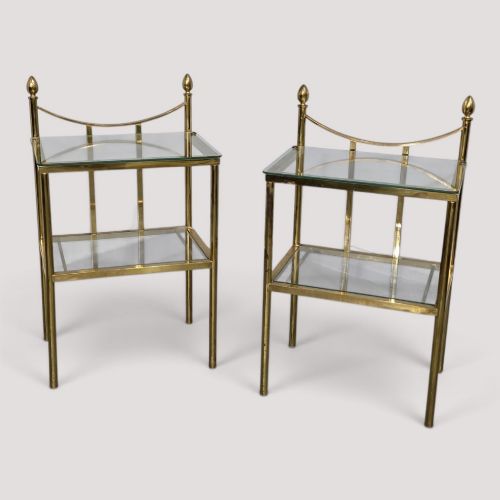
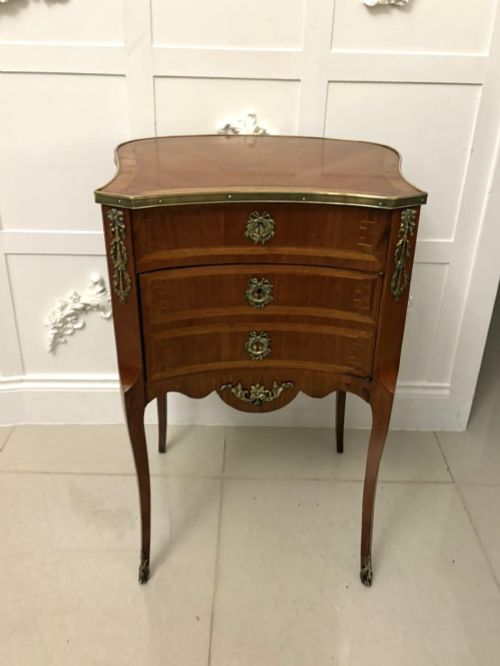
These brass accented table pieces bring structural warmth to a room through polished metal mounts, galleries, and inlays.
Brass Accented Table
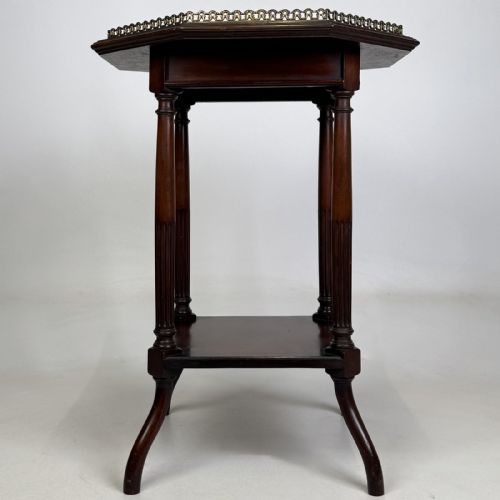
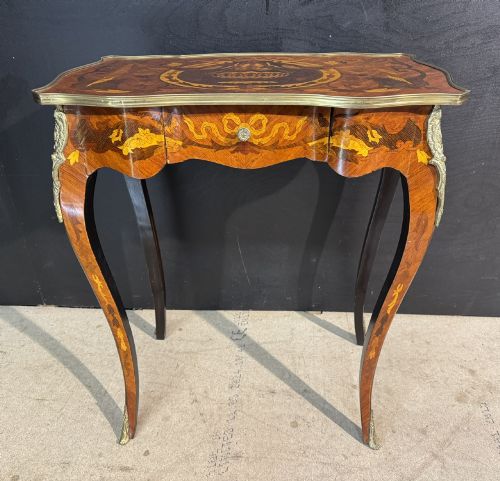
A brass accented table brings together functional timber or glass surfaces and metallic detailing, spanning forms from compact lamp tables to larger occasional and side pieces. The selection draws on periods ranging from the eighteenth century through to the art deco era, encompassing Edwardian satinwood and mahogany as well as French nineteenth-century marquetry.
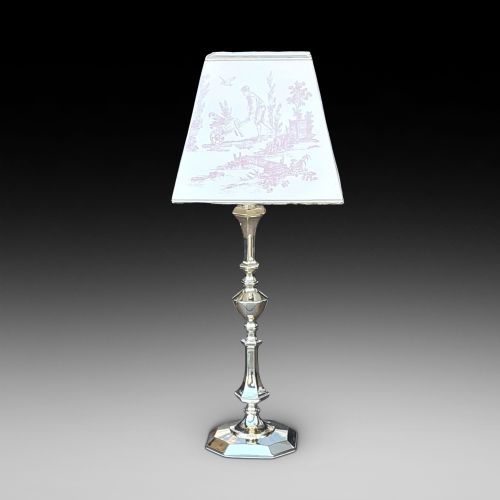
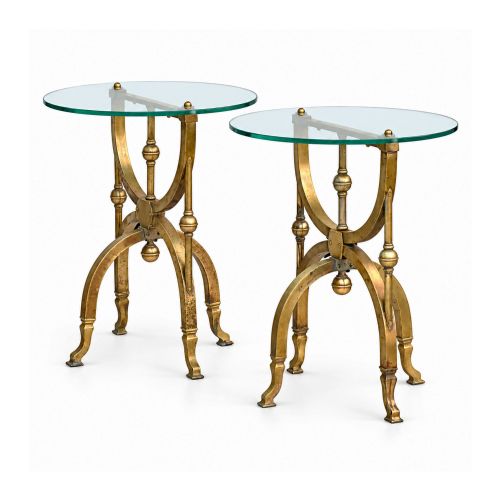
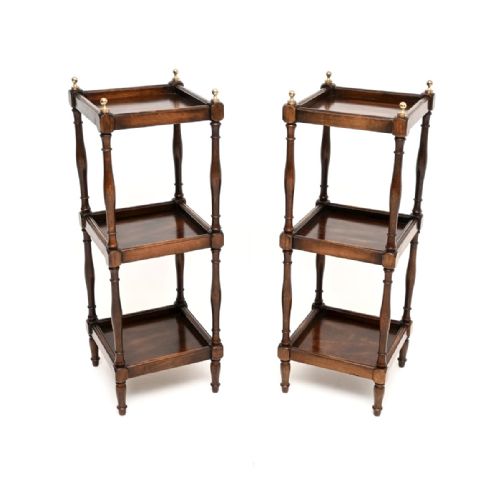
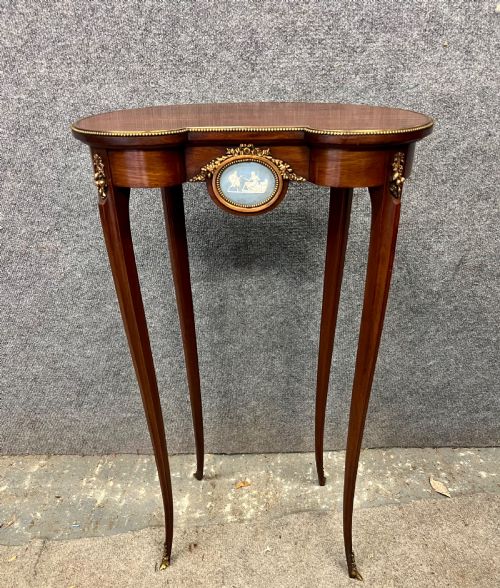
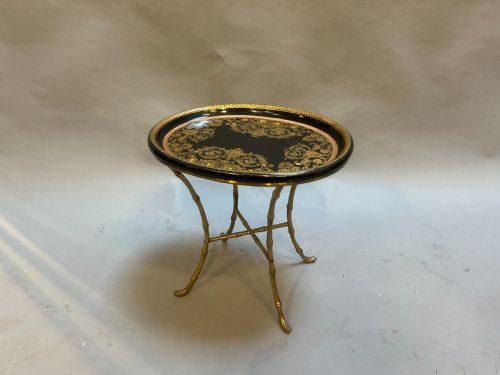
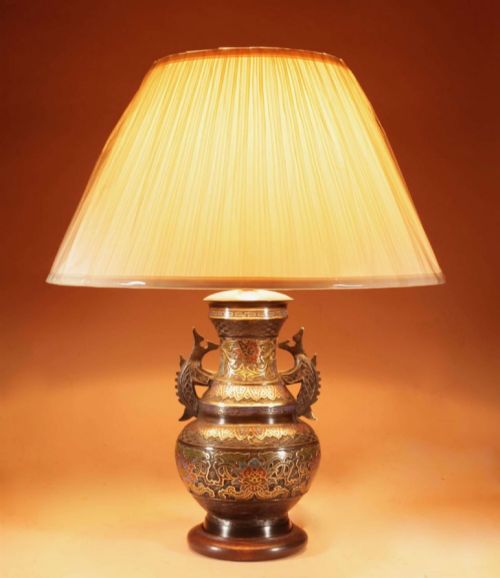
Buyers seeking this phrase frequently encounter side tables, occasional tables, and table lamps framed or trimmed with brass, gilt bronze, or ormolu. Forms vary from kidney-shaped tray tables and low demi-lune designs to drop-leaf Pembroke tables and multi-tiered glass stands.
Origins span English Georgian and Victorian workshops alongside continental French and Italian makers, incorporating regional materials like burr oak, satinwood, and verde marble. Regional variations extend to intricate Hoshiarpur brass inlay and Kashmiri decorative finishes.
How they were made
Makers combined native and exotic timbers such as mahogany, walnut, oak, and satinwood with cast brass, gilt bronze, and ormolu mounts. Surfaces frequently incorporate marquetry, parquetry, or brass wire inlay set directly into the wood.
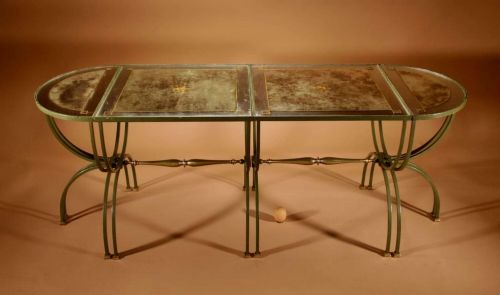
Structural elements rely on traditional cabinetmaking joinery, complemented by cast or hand-chased metal galleries, handles, and sabots. Glass, marble, and mirrored tiers integrate into frames using channeled edges or fitted brass bezels.
Listings feature brass accents combined with mahogany, oak, walnut, and satinwood across the nineteenth century and Edwardian period.
What varies in quality
Quality rests upon the crispness of the brass casting and the precision of the timber inlay. Finer examples display hand-chased detail on metal mounts and tightly fitted marquetry, whereas simpler pieces rely on stamped brass trims and painted decoration.
The choice of secondary woods and the integrity of the structural joinery separate standard production from superior cabinetwork. Heavier marble tops and thick glass tiers require robust sub-frames to maintain stability over time.
Maison Millet·Royal Worcester
The Brass Accented Table Glossary
- Ormolu
- Gilt bronze mounted on furniture or used for decorative lighting. This technique involves applying a finely ground high-carat gold mercury amalgam to bronze before firing.
- Marquetry
- Decorative patterns formed by fitting together thin veneers of various woods, metals, or shells. Craftsmen assemble these veneers on a paper backing before gluing them to the carcase.
- Bouillotte table
- A small French neoclassical occasional table with a raised gallery rim designed for card games. These typically feature marble tops surrounded by brass galleries and candle arms.
- Lowboy
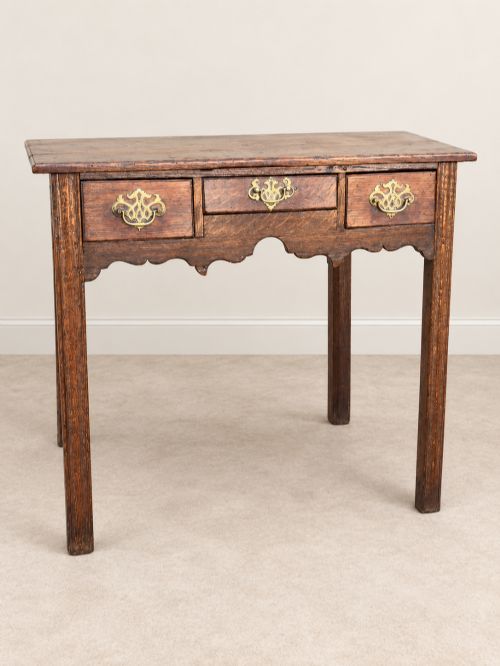
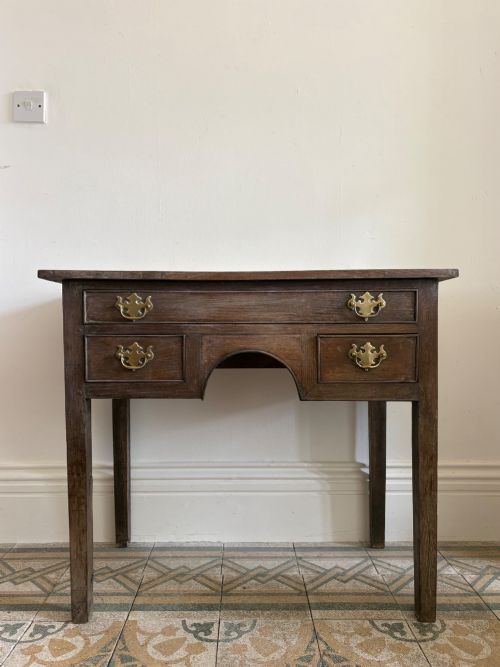
- A small seventeenth or eighteenth-century English table with one or more drawers and long legs. These are commonly constructed from oak or walnut.
- Gallery
- A raised ornamental border surrounding the edge of a tabletop or shelf. These are frequently cast or pierced in brass.
Brass Accented Table: Frequently Asked Questions
What is a brass accented table used for?
These tables function as surface space for lamps, books, and decorative objects in sitting rooms and hallways. Smaller occasional pieces move easily beside seating areas as needed.
Heavier marble-topped or tiered versions serve as permanent display surfaces for porcelain and glassware.
How do I date a brass accented table?
Dating relies on combining timber species, construction methods, and stylistic cues from periods such as the Edwardian era or the nineteenth century. Inlaid satinwood and kidney shapes often point toward the nineteen hundreds, while heavy ormolu mounts suggest earlier French influence.
Examining drawer linings, screw types, and the method of metal casting provides further chronological context.
How do I care for marble and brass?
Brass components respond well to dusting with a soft cloth and occasional gentle cleaning with non-abrasive metal polish where necessary. Avoid harsh chemical cleaners that strip patination from the metal.
Marble surfaces require prompt wiping of liquid spills to prevent staining, using mild soapy water for routine maintenance.
What is a Pembroke table?
A Pembroke table is a small drop-leaf occasional table featuring hinged flaps on opposing sides that extend the surface area. These typically include a single drawer and slender legs.
Introduced in the eighteenth century, they offer versatile placement options in smaller rooms.