

Bracket Foot Dresser
A bracket foot dresser stands as a solid anchor in a room, offering deep storage through sturdy timber construction and quiet architectural elegance.
Bracket Foot Dresser
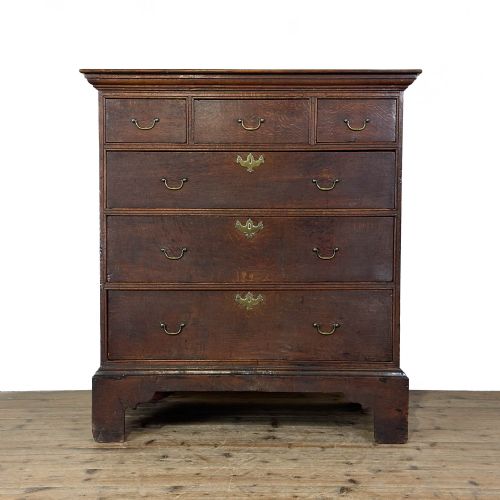
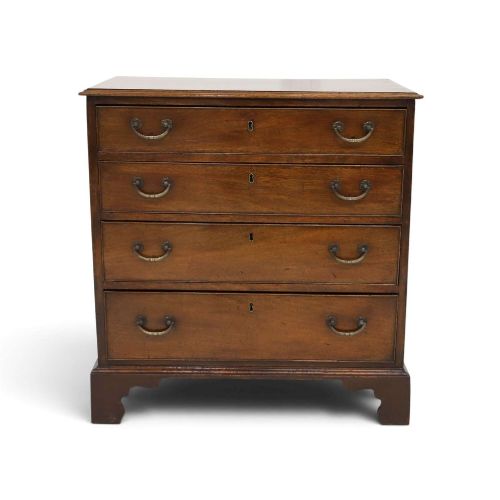
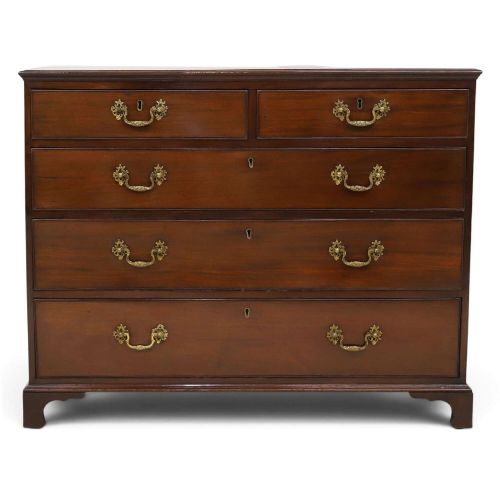
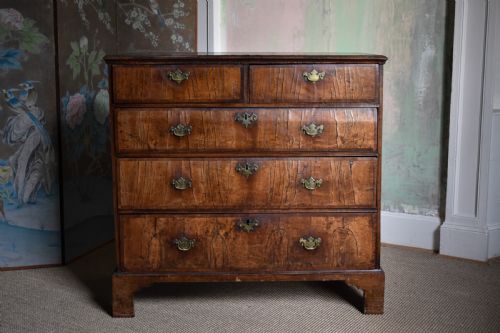
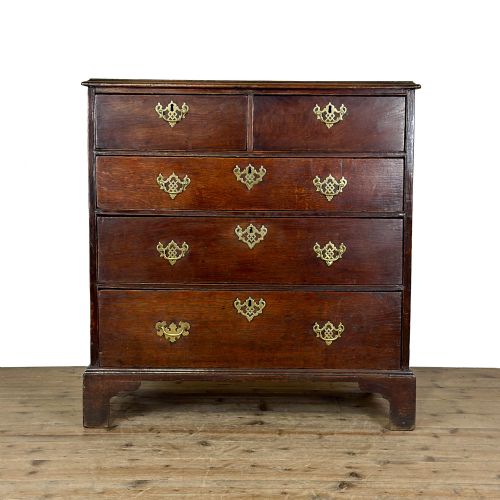
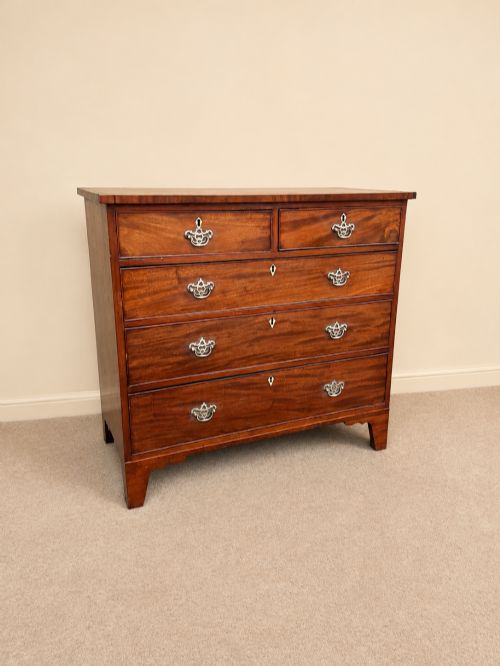
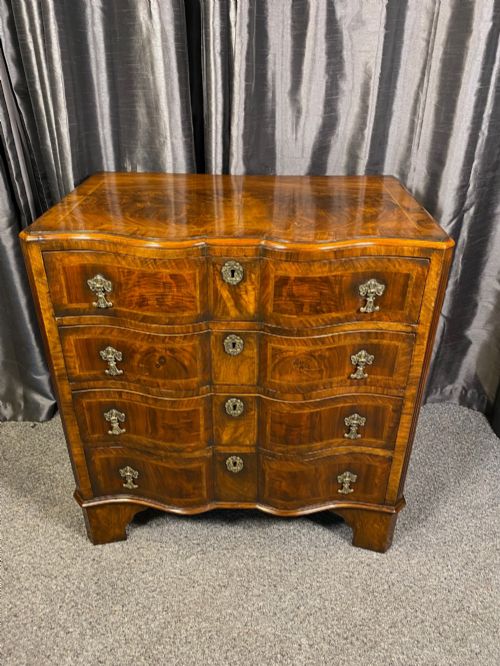
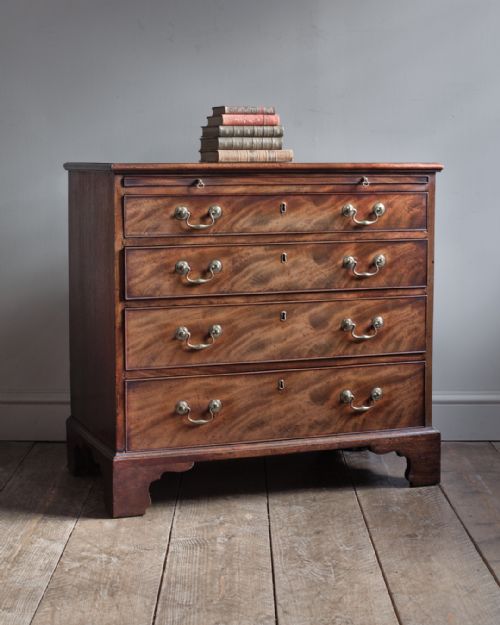
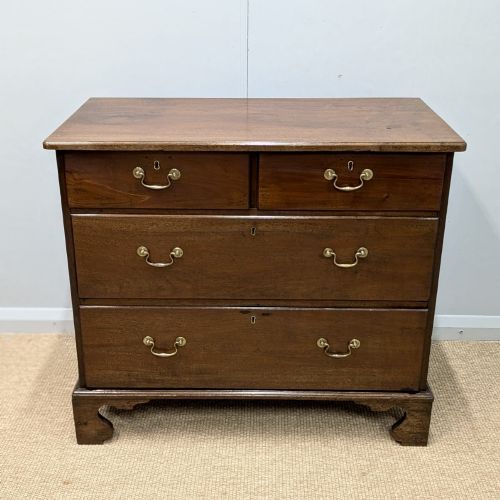
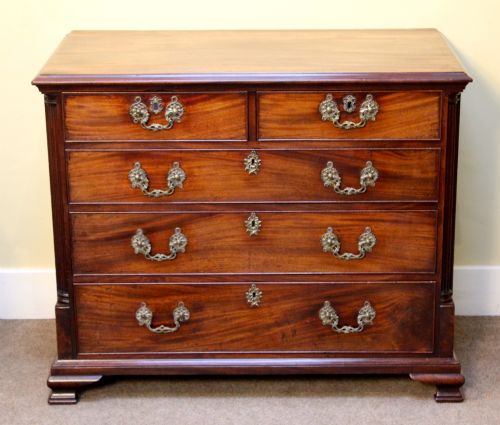
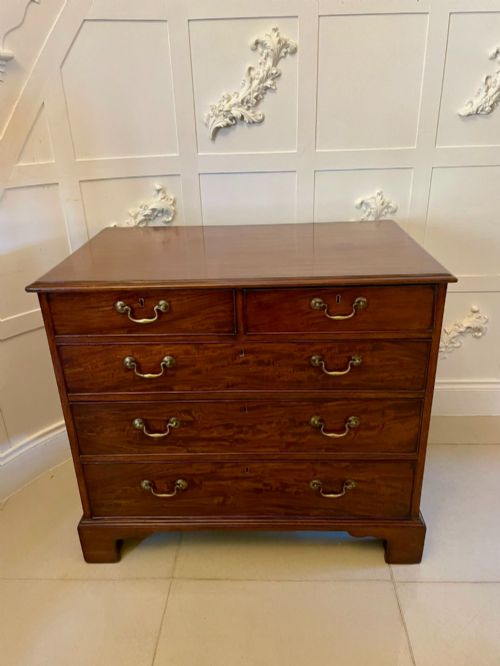
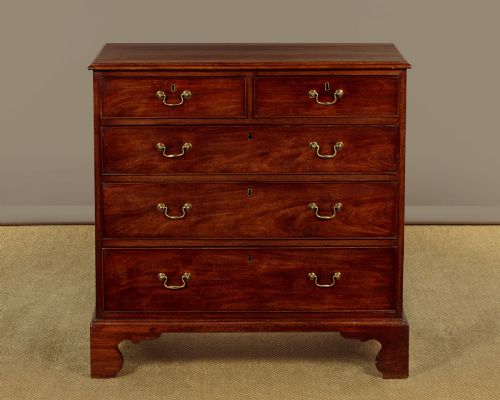
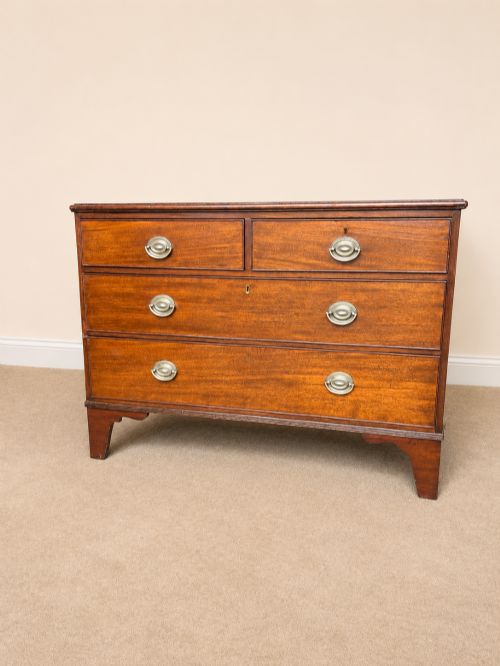
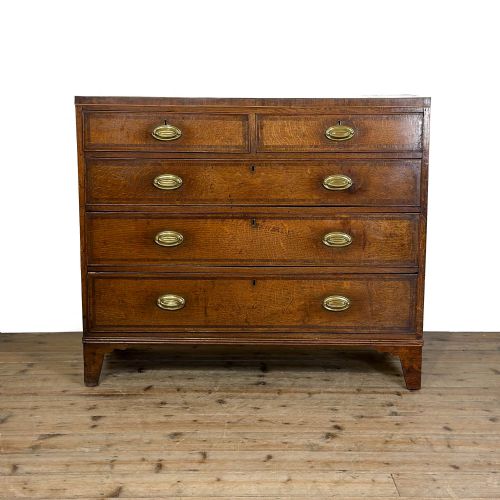
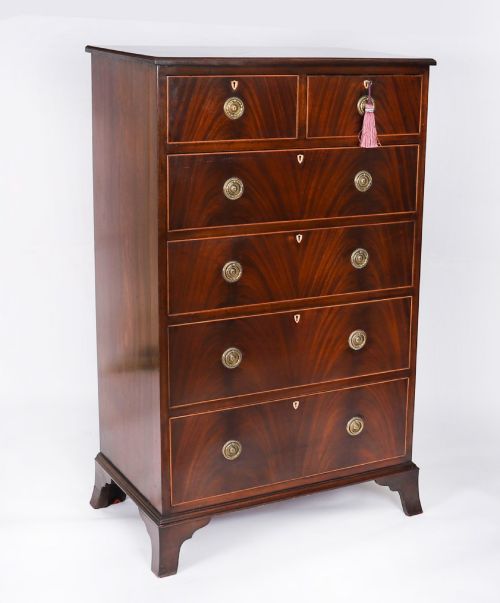
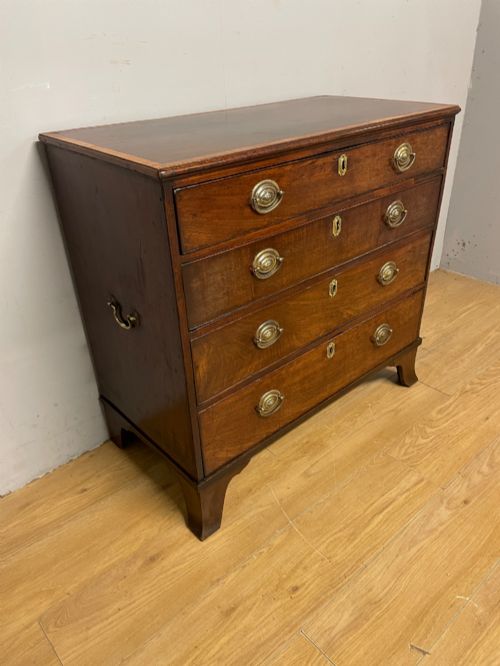
A bracket foot dresser typically manifests on this page as a chest of drawers or sideboard raised on neat corner brackets, drawing heavily on 18th century and Georgian vernacular forms. Buyers searching for a bracket foot dresser encounter robust case furniture designed for domestic storage, spanning periods from George I through to later Georgian revivals.
The most common versions met here are mahogany or oak chests of drawers featuring straightforward drawer arrangements, sometimes equipped with a brushing slide. These pieces balance utilitarian storage with restrained ornamentation, relying on the quality of the timber rather than excessive carving to create presence.
Origins stretch across English workshops, encompassing country elm and fruitwood examples alongside urban walnut and mahogany pieces. Each variant preserves the signature foot style, anchoring the heavier carcase firmly to the floor while maintaining a sense of proportion.
How they were made
Cabinet makers relied on dense hardwoods such as mahogany, oak, walnut, and burr walnut, often paired with secondary woods like pine for internal framing. Timber selection governed the structural integrity of the carcase, allowing drawers to run smoothly within tight tolerances over centuries of use.
Construction techniques centred on dovetail joints for drawer construction and sturdy corner blocking to support the bracket feet. Brass handles and escutcheons provided functional hardware accents, fastened securely through the drawer fronts to complement the grain of the wood.
Bracket Foot Dresser Retail Price Guide 2026
Typical asking prices for bracket foot dresser among the pieces listed under this phrase on Sellingantiques today, from the lower quarter to the upper quarter. They describe what is for sale here now, not the wider market.
Many pieces hide secret pull-out slides, offering a quiet nod to eighteenth-century folding habits.
What varies in quality
The upper tier of pieces displays exceptional figuring in the timber, such as highly figured walnut or premium Cuban mahogany, paired with crisp hand-cut dovetails and original brass hardware. Lesser examples may show plain timber grains, simpler pine linings, or replaced feet and handles that disrupt the historical integrity of the piece.
Proportion and execution of the bracket feet themselves separate superior examples from standard workshop production. A well-executed foot flows naturally from the moulding of the base, whereas lower quality variants often appear heavy-handed or poorly proportioned in relation to the main carcase.
J Moorcroft·Reprodux
The Bracket Foot Dresser Glossary
- Bracket foot
- A simple, sturdy foot formed by two pieces of wood mitred at the corner, resembling a bracket and supporting case furniture.
- Brushing slide
- A pull-out shelf integrated into the chest above the top drawers, historically used for folding clothes or writing.
- Dovetail
- An interlocking joint used in drawer construction, prized for its tensile strength and resistance to being pulled apart.
- Figured mahogany
- Mahogany timber exhibiting an attractive, rippled grain pattern, selected for high-status furniture fronts.
- Escutcheon
- A protective plate surrounding a keyhole, usually fashioned from brass to match the drawer pulls.
Bracket Foot Dresser: Frequently Asked Questions
What is a bracket foot dresser?
A bracket foot dresser is a piece of case furniture, typically a chest of drawers or sideboard, elevated on architectural corner feet rather than legs or a plinth.
These pieces provide substantial storage capacity while maintaining a grounded, balanced silhouette suited to traditional interiors.
How were these dressers used?
Historically, these items served as primary storage for garments, linens, and personal possessions within domestic bedchambers and parlours.
Drawers held folded textiles, while pull-out brushing slides offered temporary horizontal surfaces for grooming or sorting items.
How do I live with one?
Integrating these pieces into modern spaces involves placing them against solid walls where their timber grain and proportions can act as a natural focal point.
Regular polishing with appropriate wax preserves the surface finish, while placing them away from direct heat sources protects the antique wood from drying out.
How do I tell periods apart?
Early 18th century pieces, such as those from the George I era, often feature rich walnut veneers and heavy brass hardware.
Later Georgian and Edwardian interpretations lean towards refined mahogany or oak, displaying slender proportions and cleaner bracket foot profiles.